

Custom Brick Paver Patios in Des Plaines and Chicagoland
A patio should feel finished on the surface and stay stable underneath it.
3D Brick Paving Co. designs and installs custom brick paver patios for homeowners across Des Plaines and the greater Chicagoland suburbs. From the company’s showroom at 1000 Lee Street in Des Plaines, the team plans patio layouts, paver patterns, borders, steps, fire features, grill areas, outdoor kitchens, walkways, and natural stone accents before excavation starts. The company website lists patios, driveways, sidewalks, grill enclosures, natural stone, fire pits, and 3D renderings as core service areas.
3D Brick Paving Co.’s BBB profile lists the company at 1000 Lee St, Des Plaines, IL, with an A+ rating, BBB accreditation since September 1, 2001, and 54 years in business.
A well-built patio does more than add usable space. It controls water, handles freeze-thaw movement, supports furniture and foot traffic, and protects the wall line where the patio meets the house.
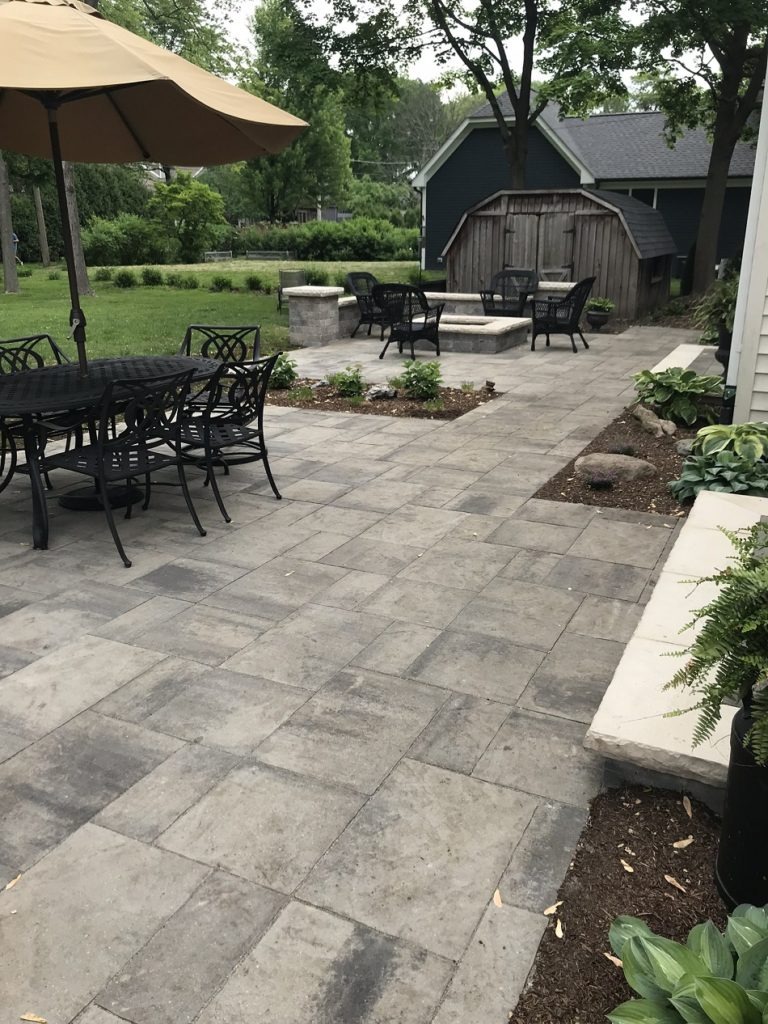
Designed Before the First Cut
A patio should exist in 3D before the yard ever gets opened.
3D renderings let the homeowner see scale, traffic flow, furniture placement, step locations, fire pit position, wall height, border layout, and how the patio connects to the home. 3D modeling removes spatial guesswork before excavation starts, and 3D Brick Paving’s website lists 3D renderings as its own service category.
That precision matters on tight Chicagoland lots, where a few inches of layout change can affect door clearance, grill placement, side-yard access, drainage direction, or how a patio meets an existing walkway.
During the design phase, the plan needs to answer a short list of questions: where will water go after heavy rain, how will the patio meet the house, where should steps land, will the grill area have safe working space, can furniture fit without blocking circulation, will the border lock the field pavers in place, and will the project need a wall, dry well, or drainage adjustment. Answering those before excavation protects the finished patio from expensive corrections later.
Patios Built Around Real Chicagoland Conditions
Illinois patios fail when the base gets treated as an afterthought.
The northwest suburbs deal with heavy clay soils, spring rain, snowmelt, ice, road salt, and repeated freeze-thaw cycles. Water finds the wrong place, freezes, expands, and moves the whole system from below. That movement shows up later as sunken pavers, open joints, rocking edges, low spots, standing puddles, and steps pulling away from the wall.
A proper paver patio needs more than a nice pattern. It needs controlled excavation, a compacted subgrade, a stable aggregate base, bedding control, edge restraint, drainage pitch, tight transitions, and clean joint stabilization.
| Spec | Target |
|---|---|
| Subgrade/base compaction | Cr ≥ 95% of Standard Proctor Density |
| Slope away from foundation walls | S ≥ 1.5% |
That compaction figure means the patio base needs to reach at least 95% of Standard Proctor Density before the finished surface goes down. It’s the compaction target used to resist movement in clay-heavy Chicagoland soil. The 1.5% slope target moves water away from the house instead of letting it sit against the foundation, steps, or patio base.
Illinois patios fail when the base gets treated as an afterthought.
The northwest suburbs deal with heavy clay soils, spring rain, snowmelt, ice, road salt, and repeated freeze-thaw cycles. Water finds the wrong place, freezes, expands, and moves the whole system from below. That movement shows up later as sunken pavers, open joints, rocking edges, low spots, standing puddles, and steps pulling away from the wall.
A proper paver patio needs more than a nice pattern. It needs controlled excavation, a compacted subgrade, a stable aggregate base, bedding control, edge restraint, drainage pitch, tight transitions, and clean joint stabilization.
Spec Target |
Spec Target |
That compaction figure means the patio base needs to reach at least 95% of Standard Proctor Density before the finished surface goes down. It’s the compaction target used to resist movement in clay-heavy Chicagoland soil. The 1.5% slope target moves water away from the house instead of letting it sit against the foundation, steps, or patio base.
Custom Brick Patio Layouts
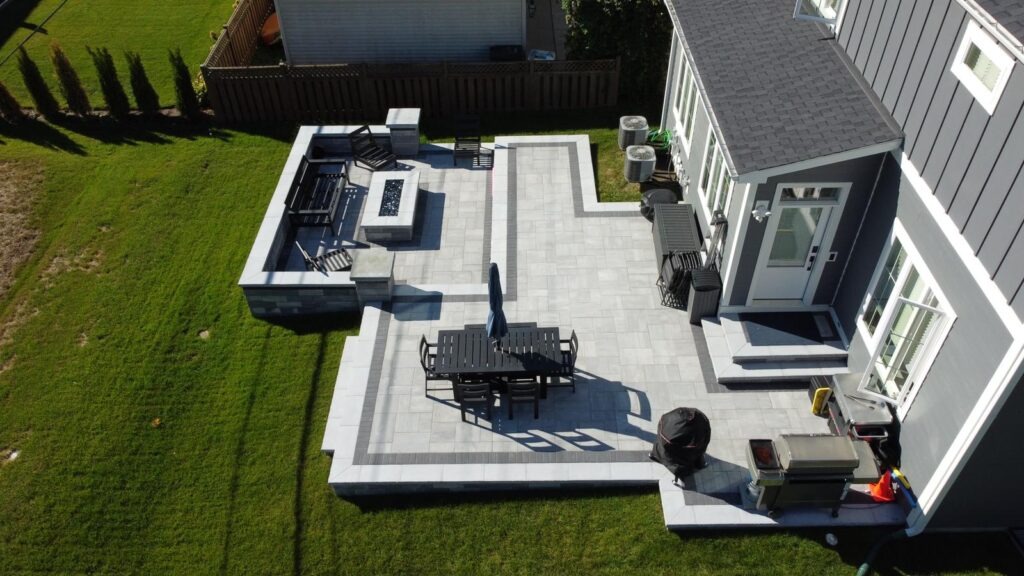
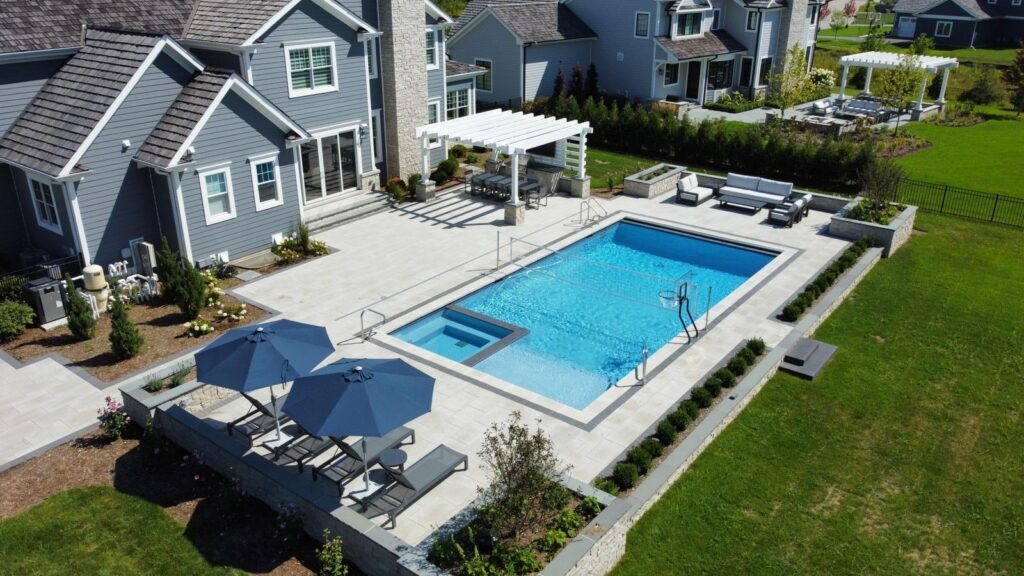
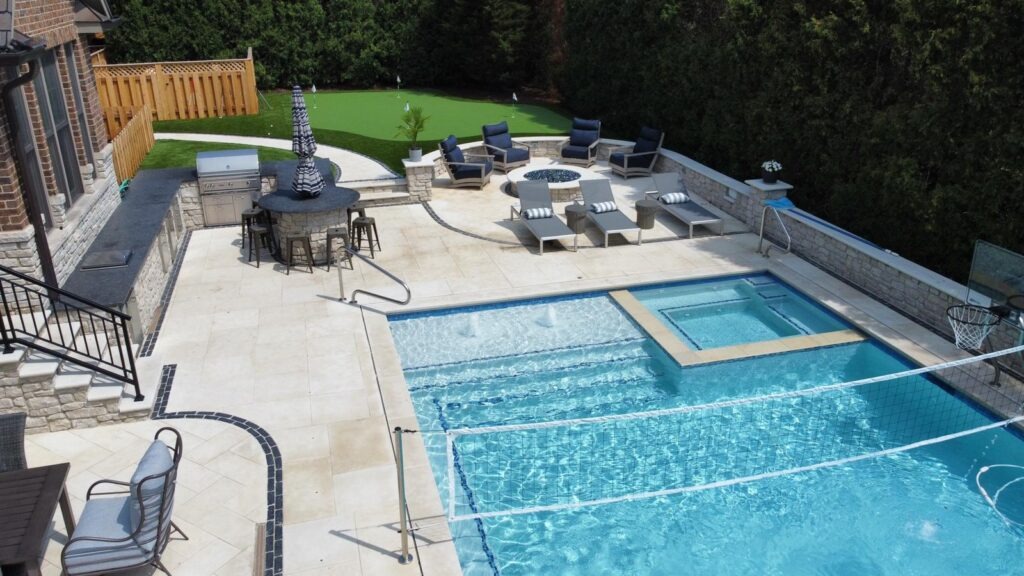
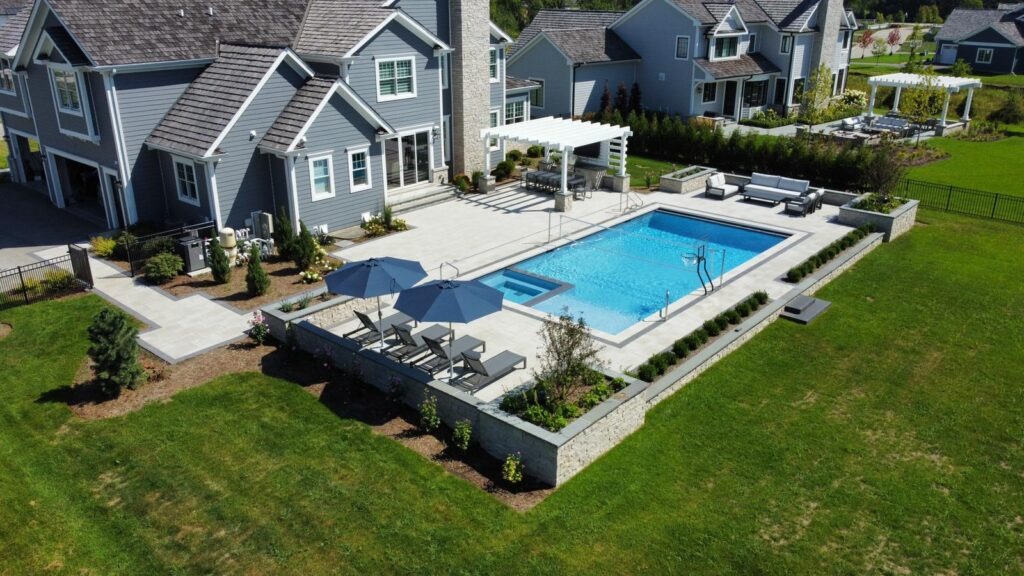
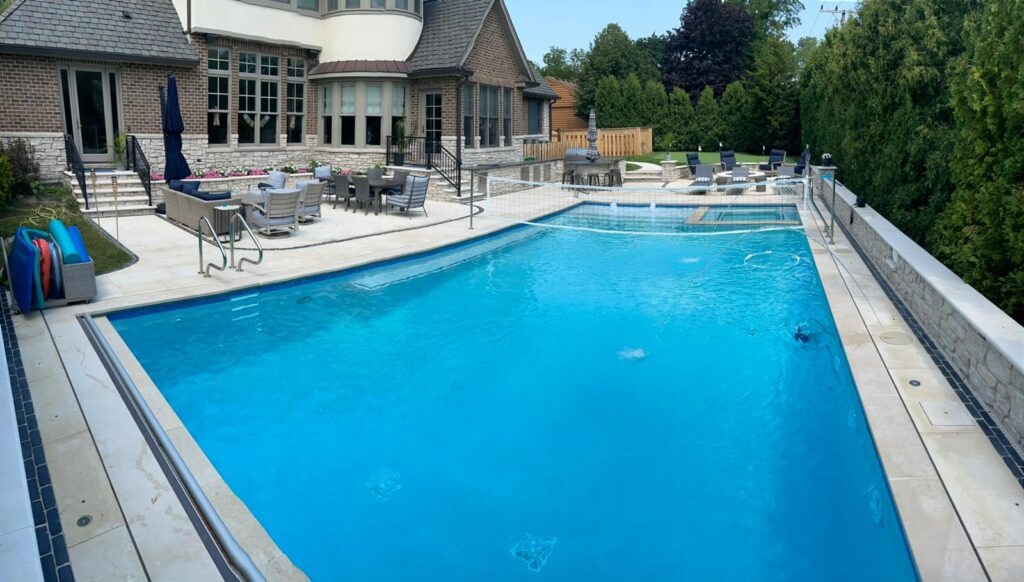
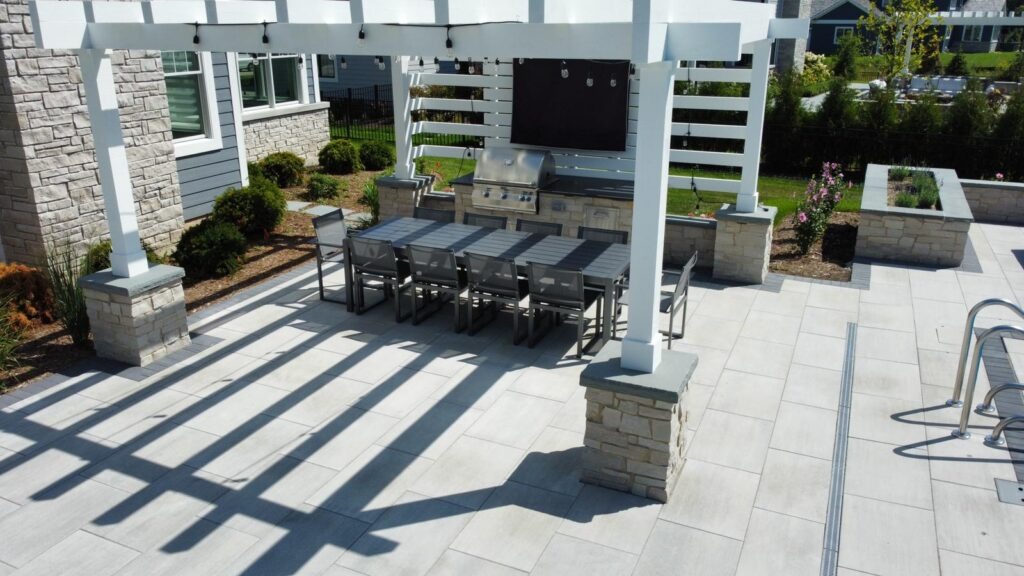
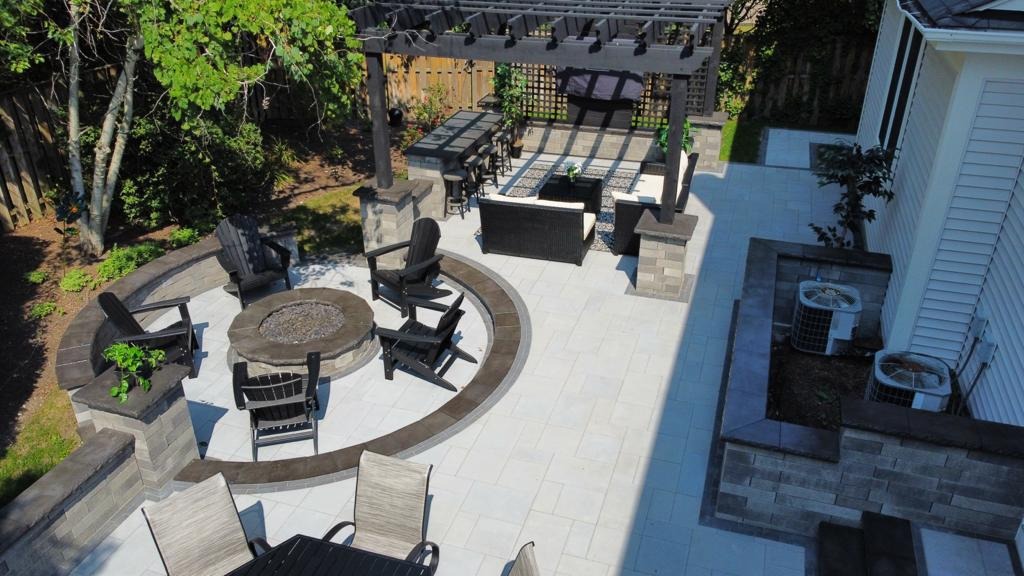
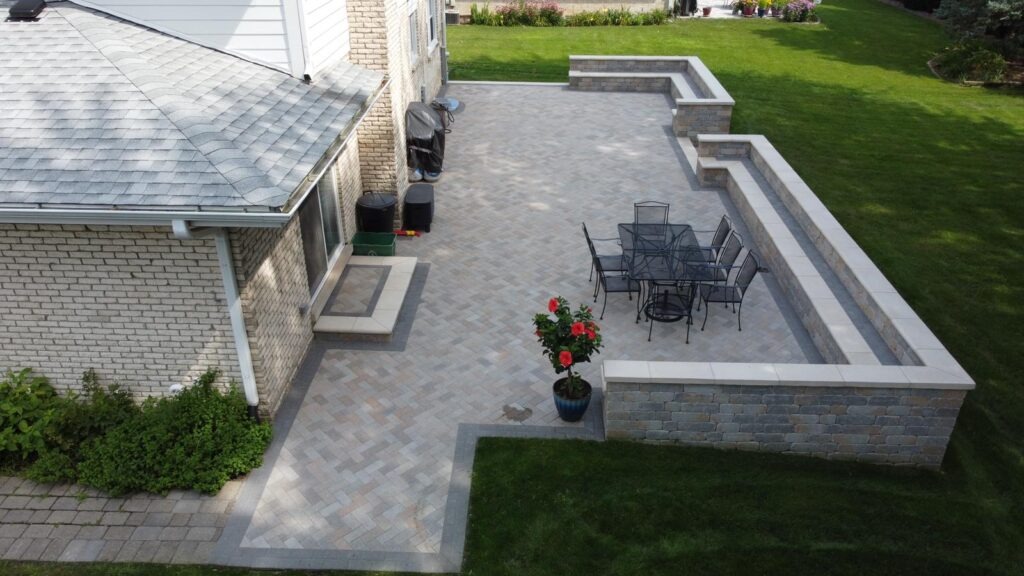
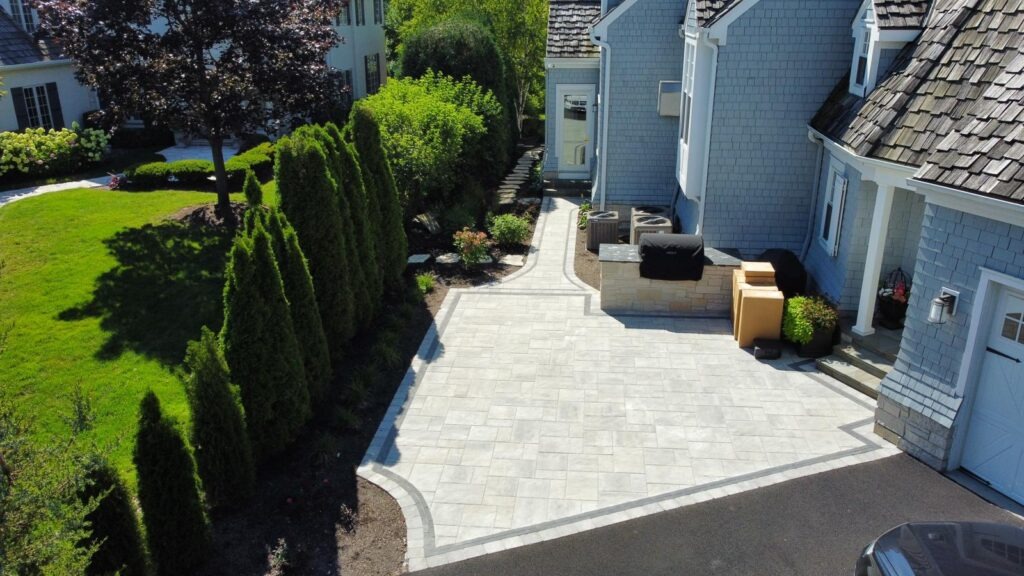
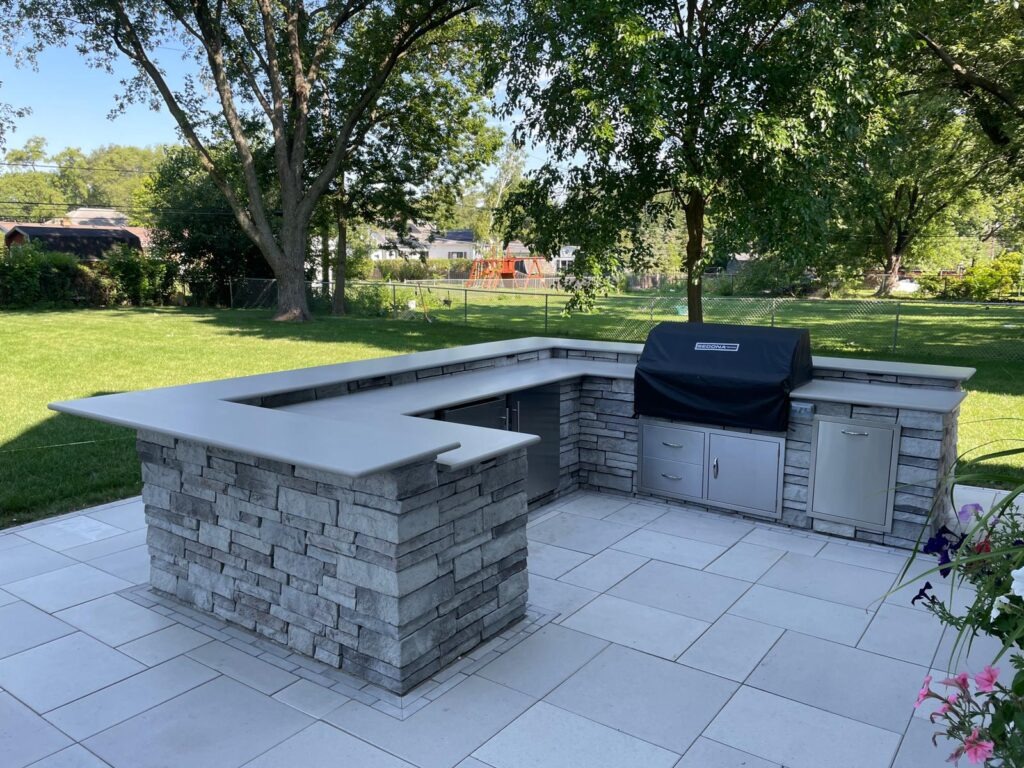
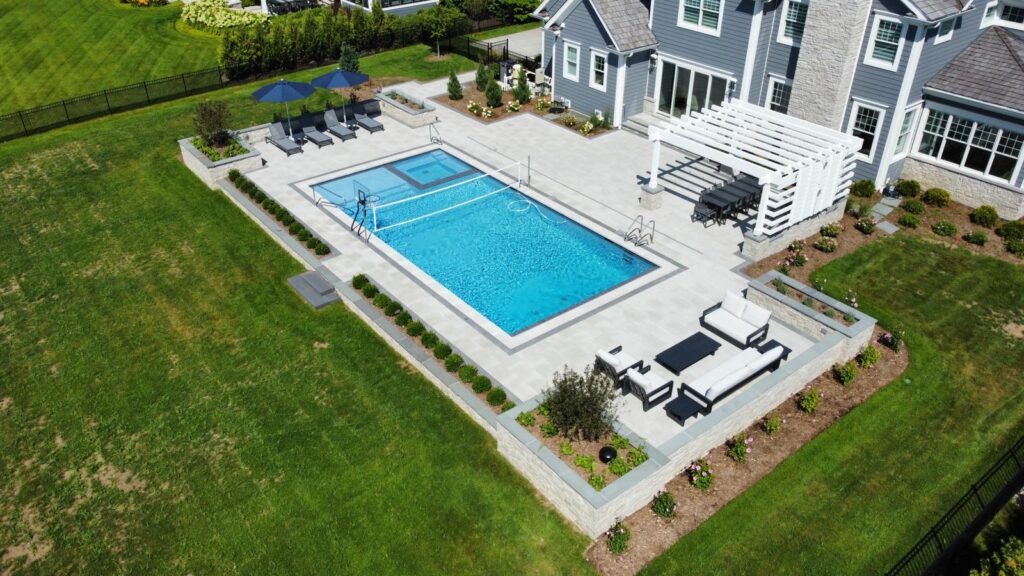
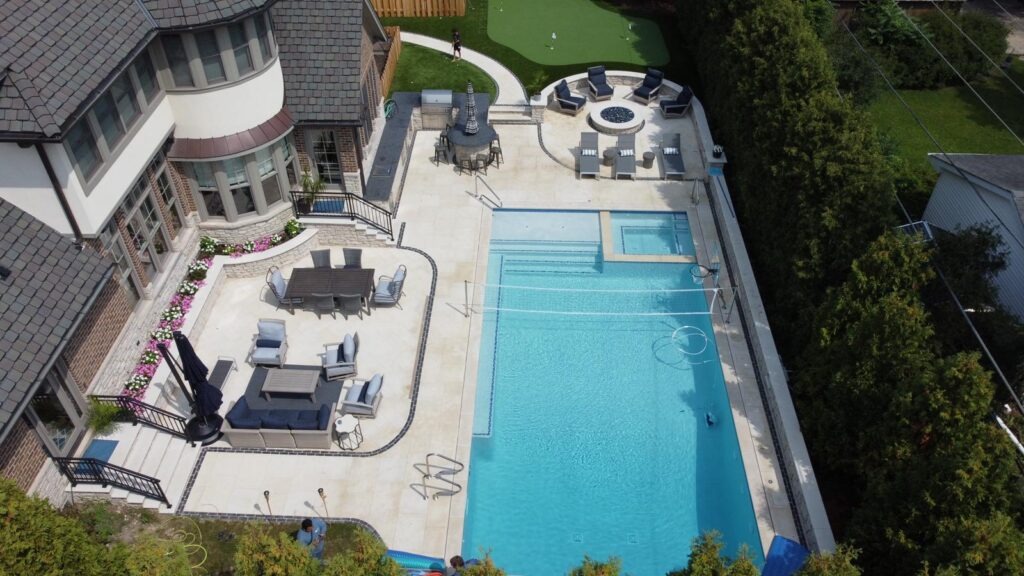
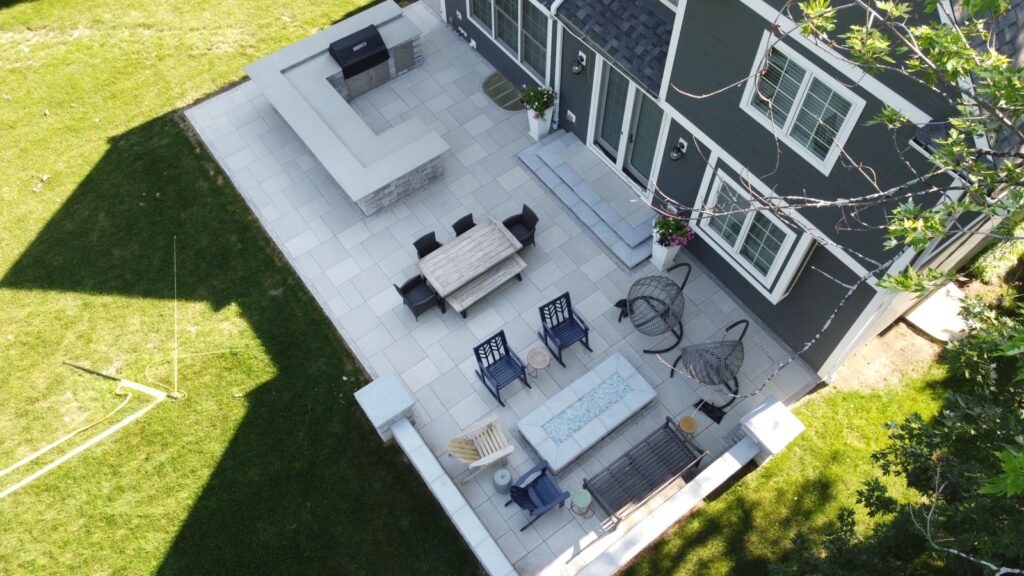
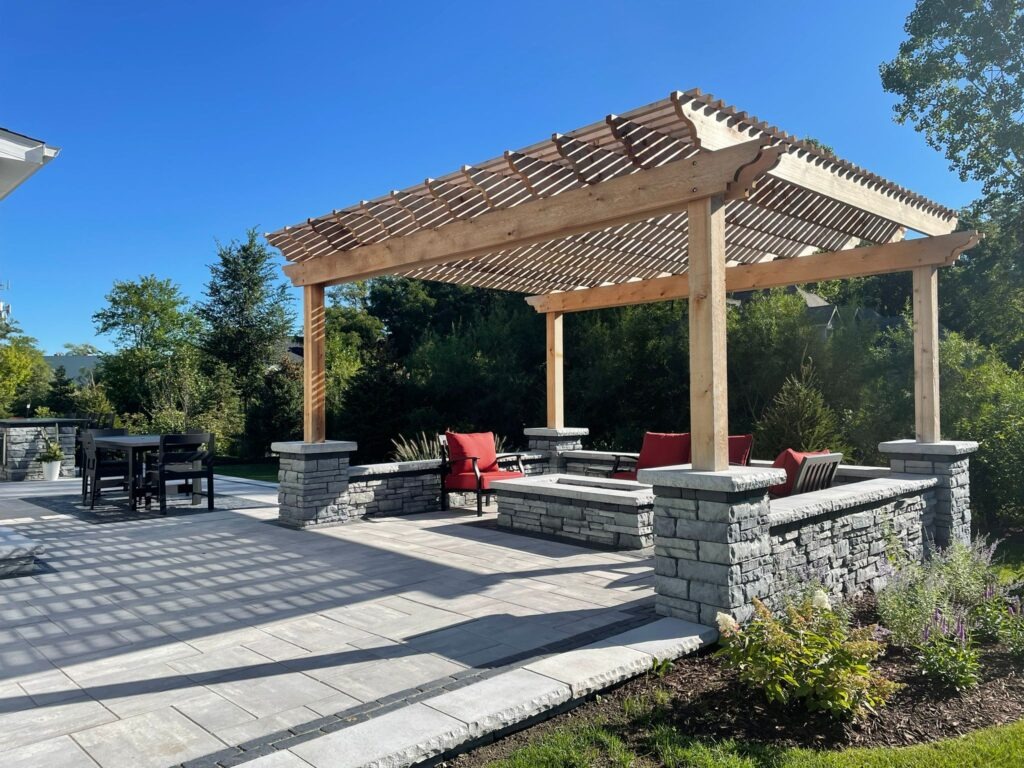
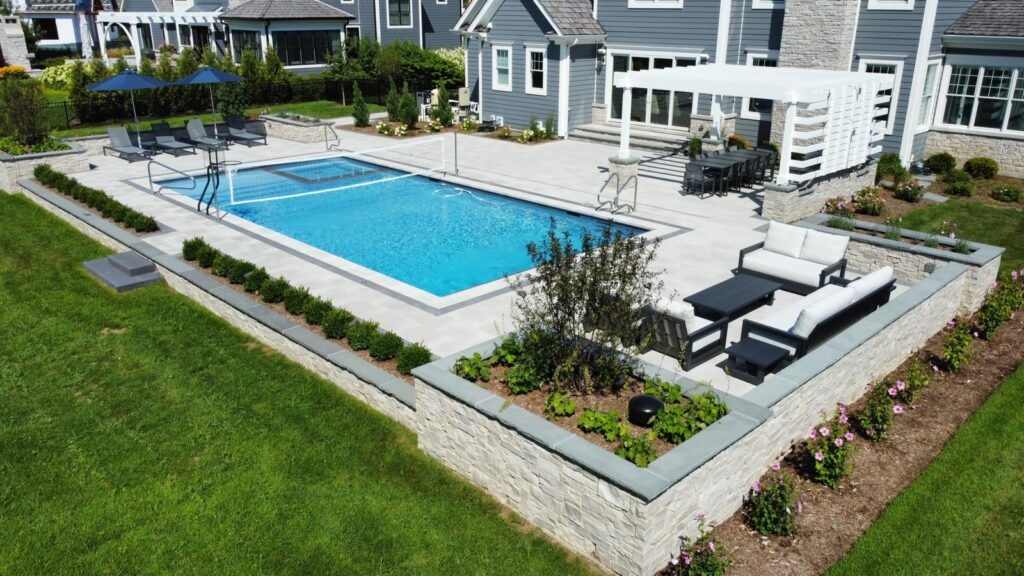
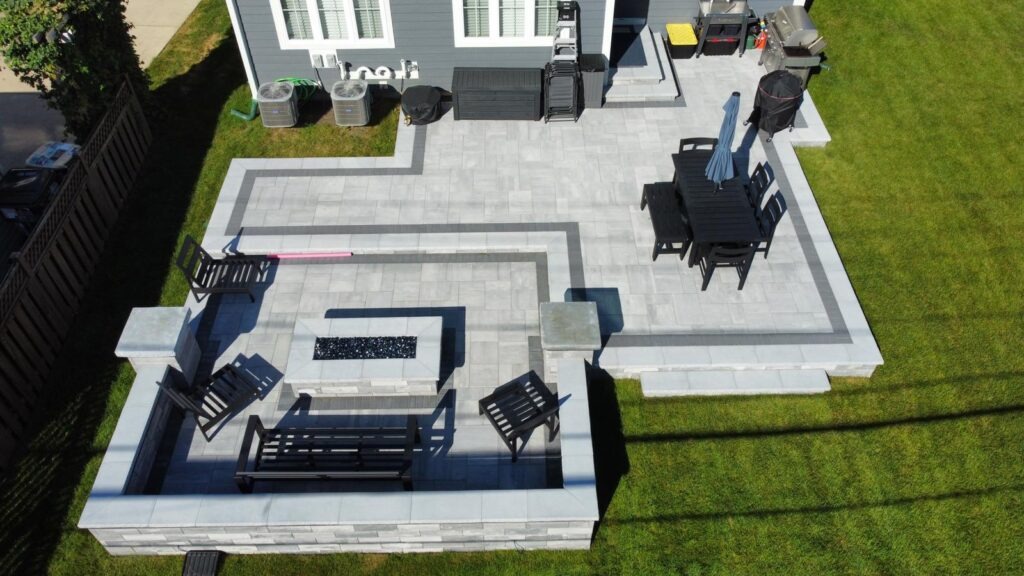
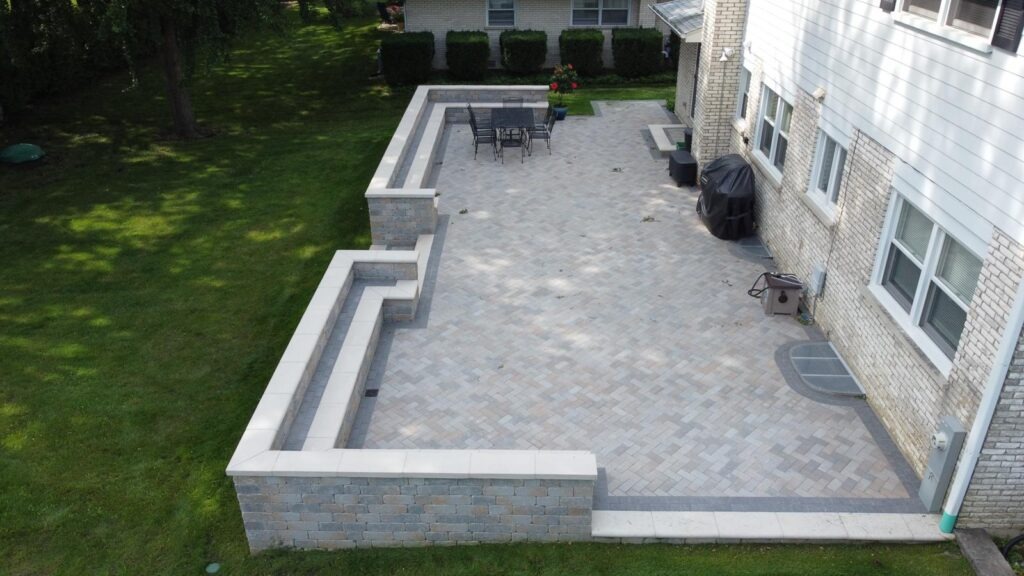
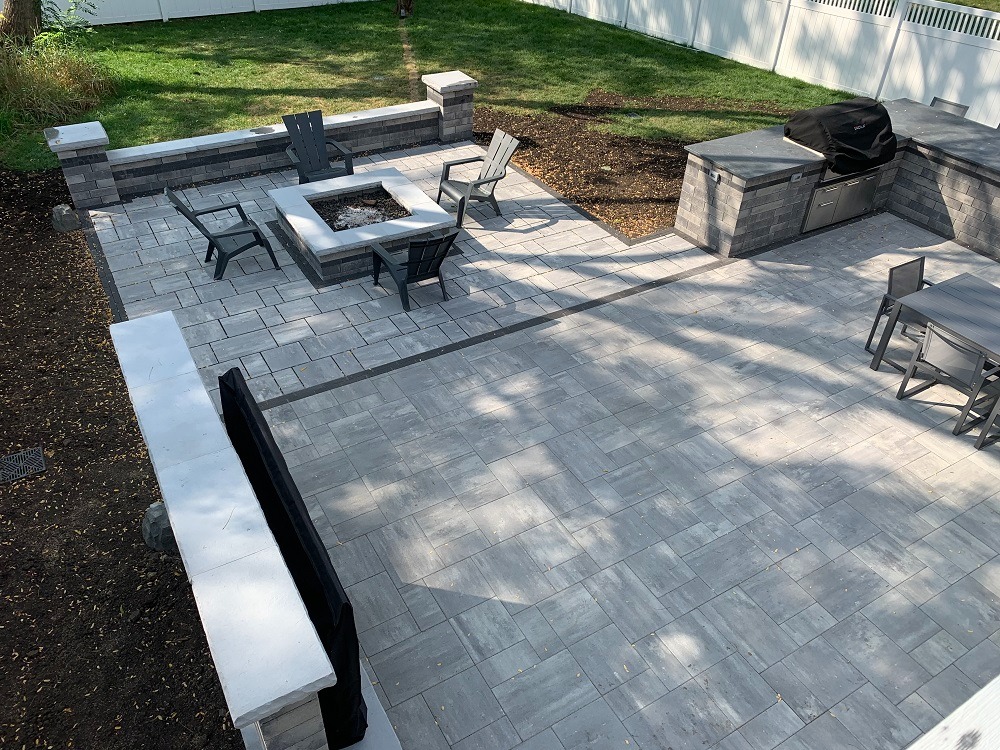
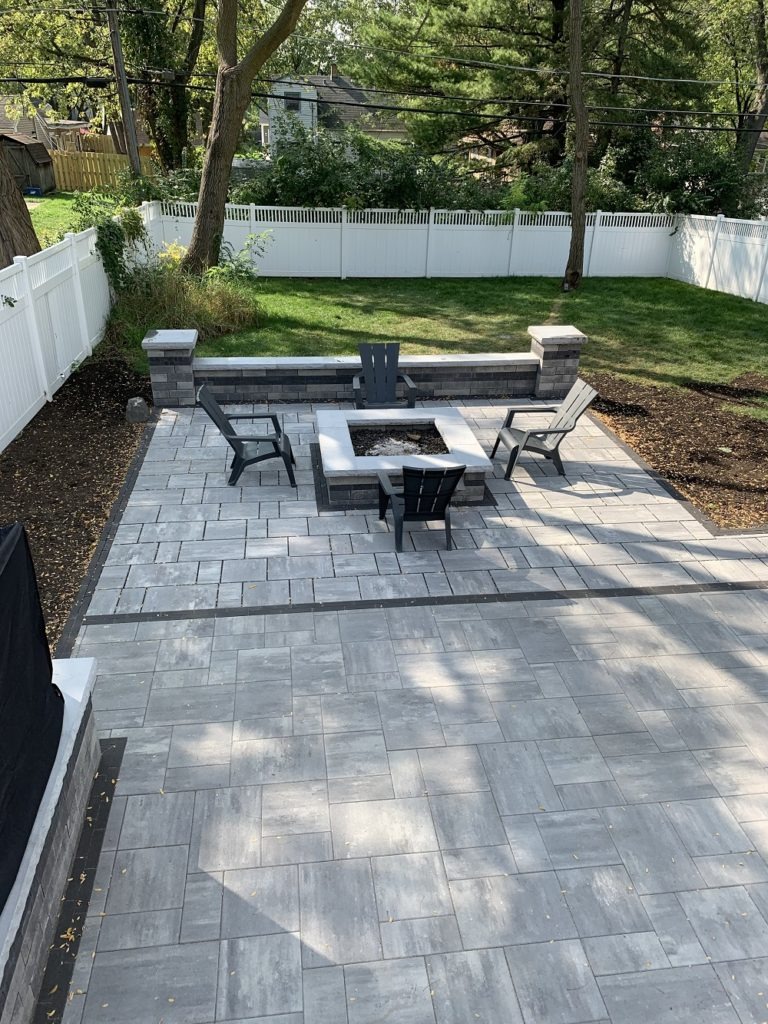
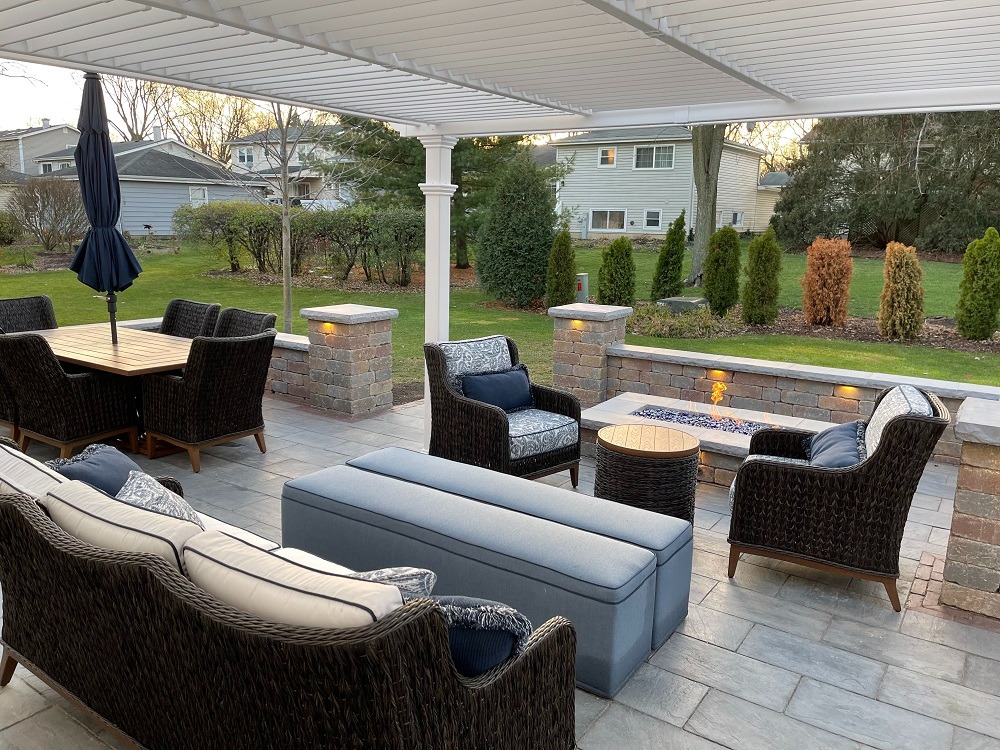
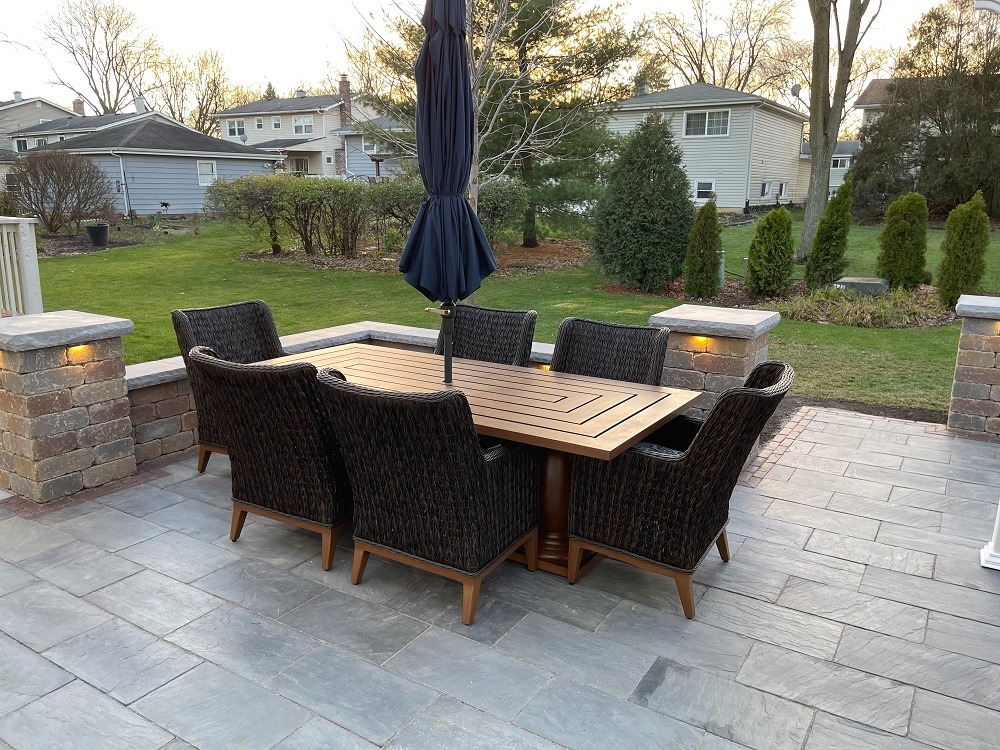
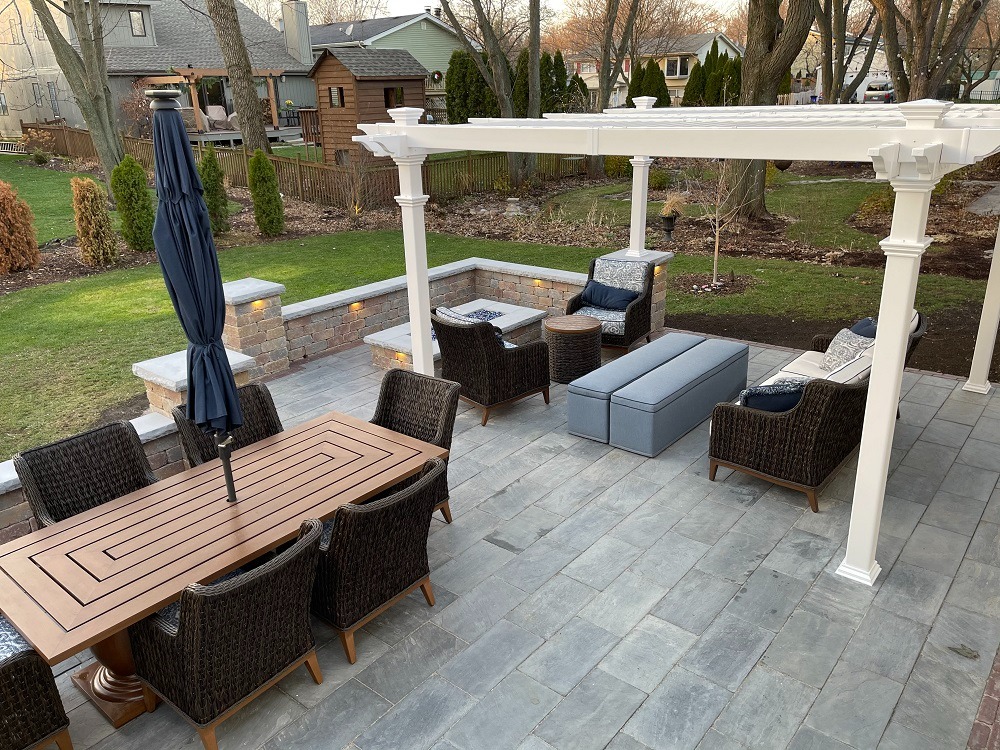
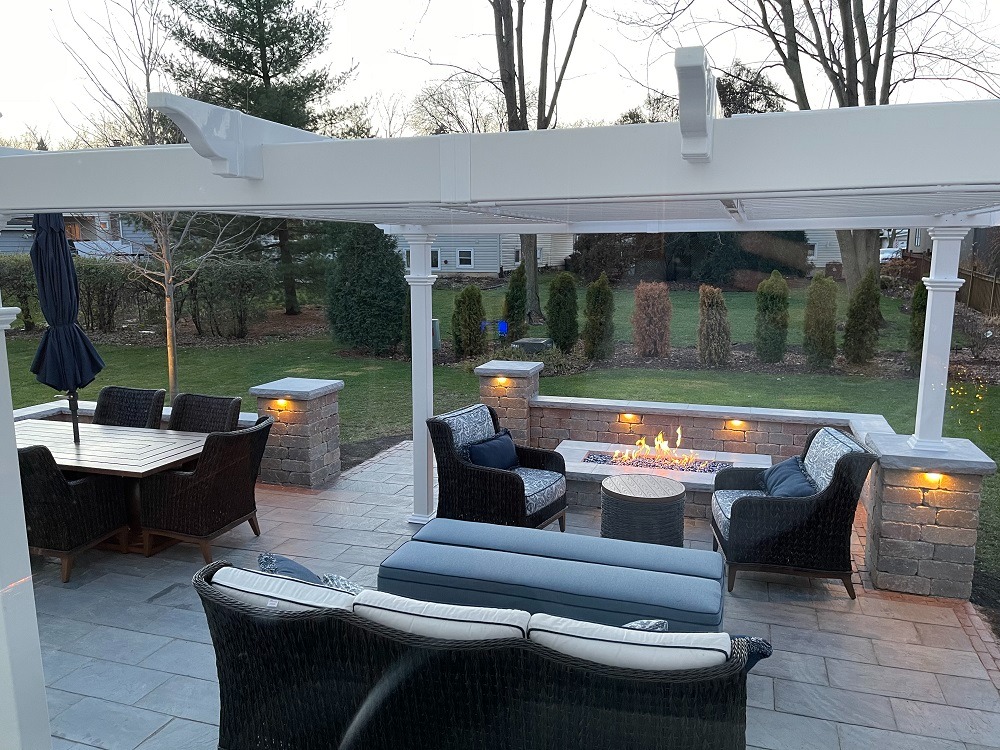
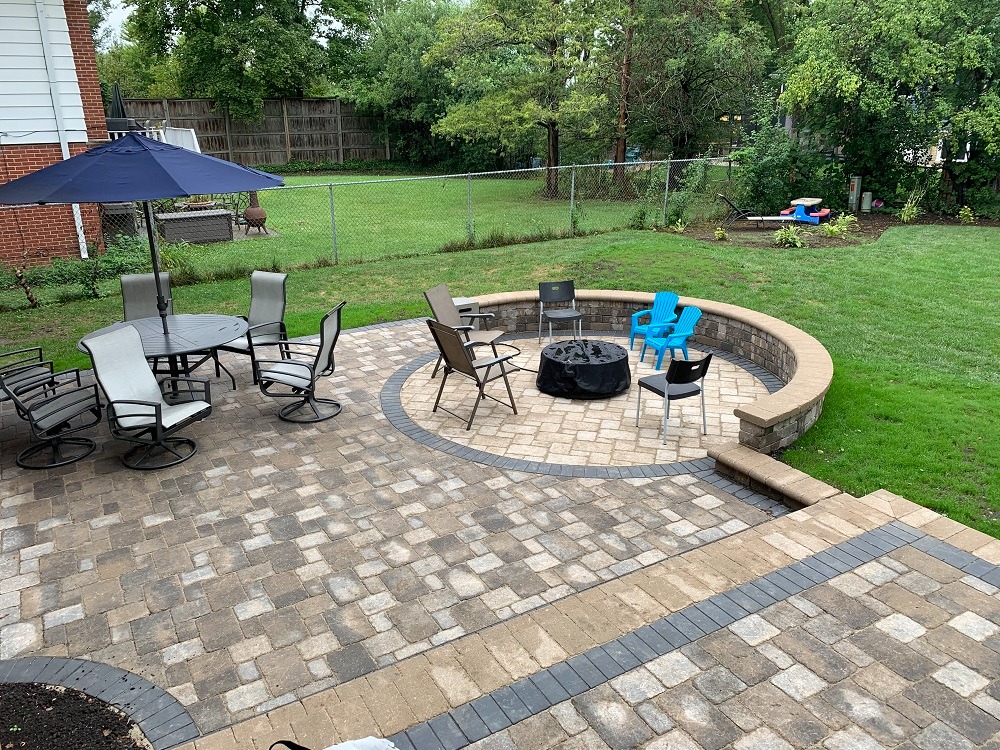
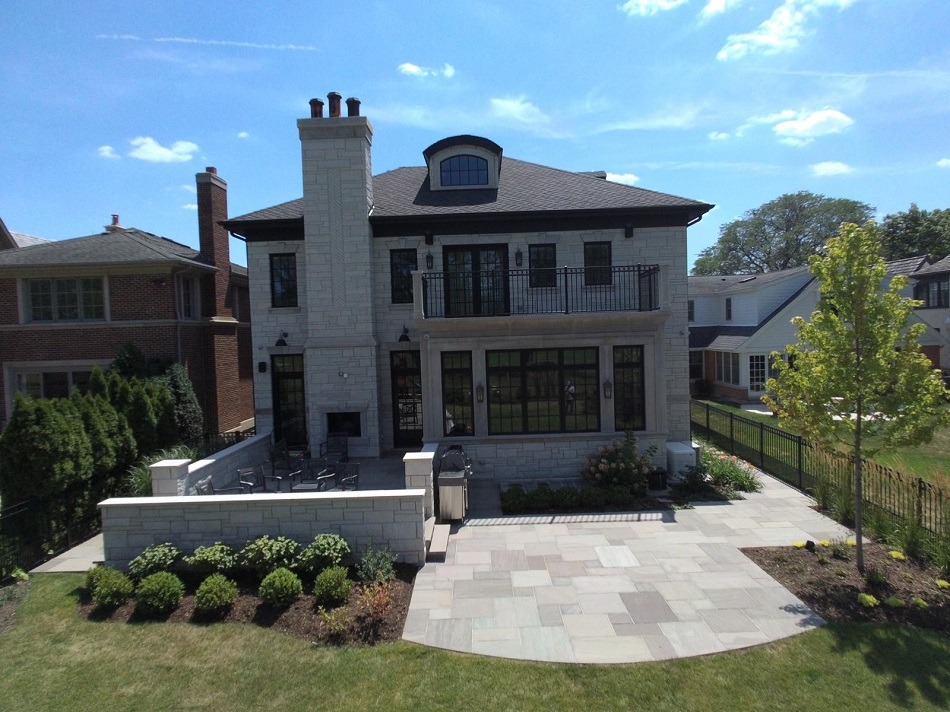
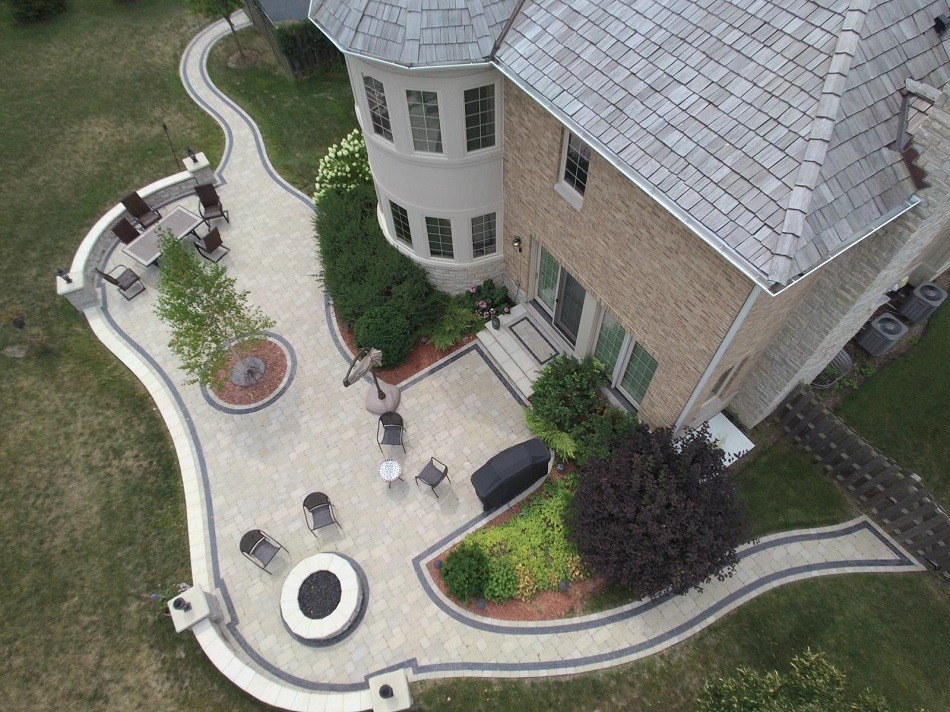
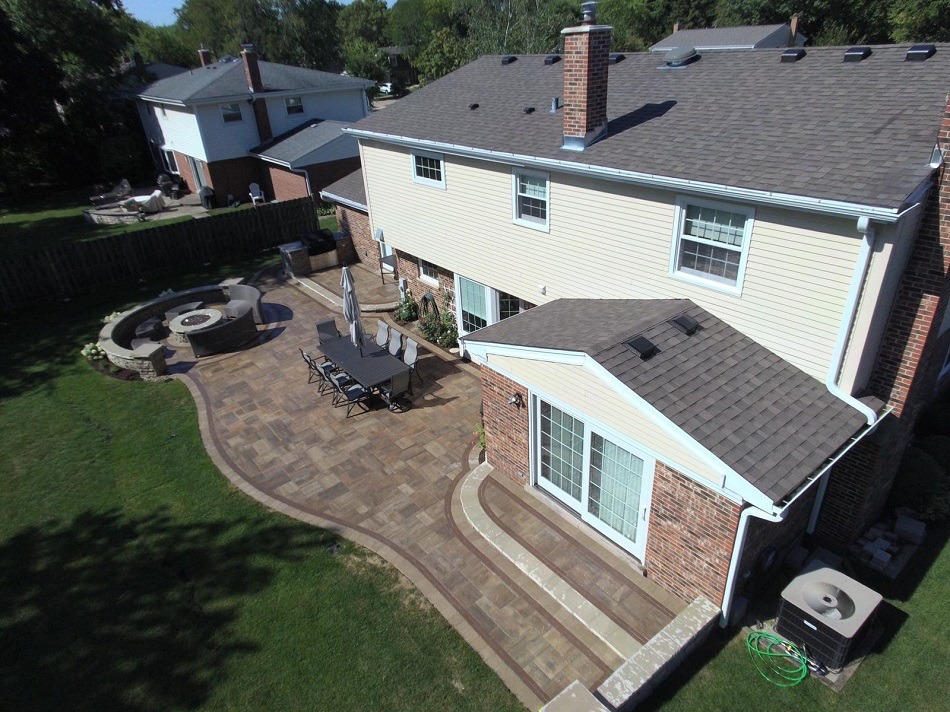
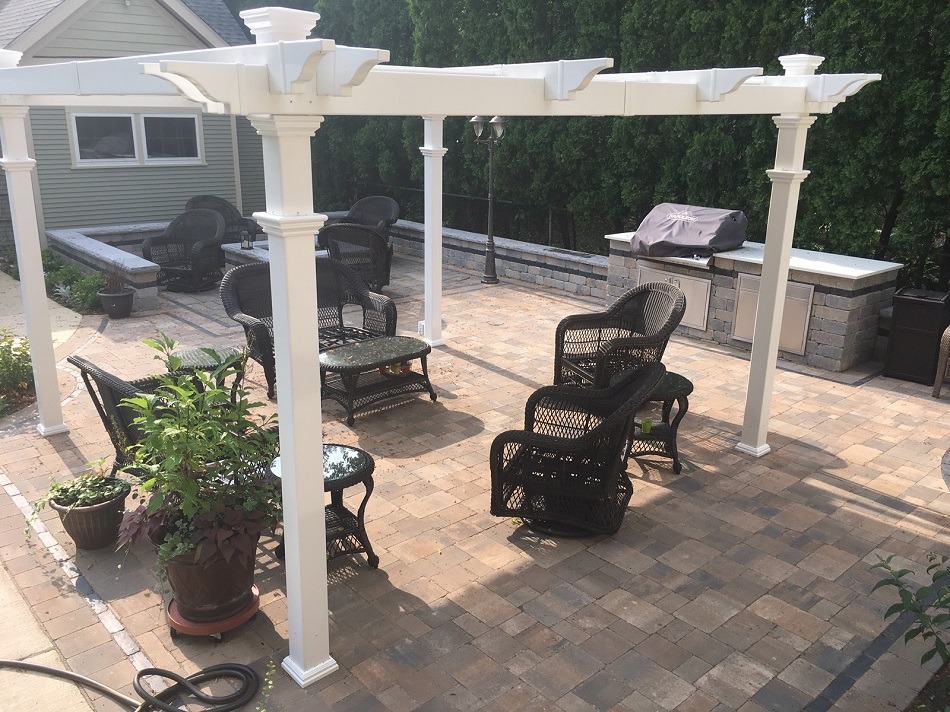
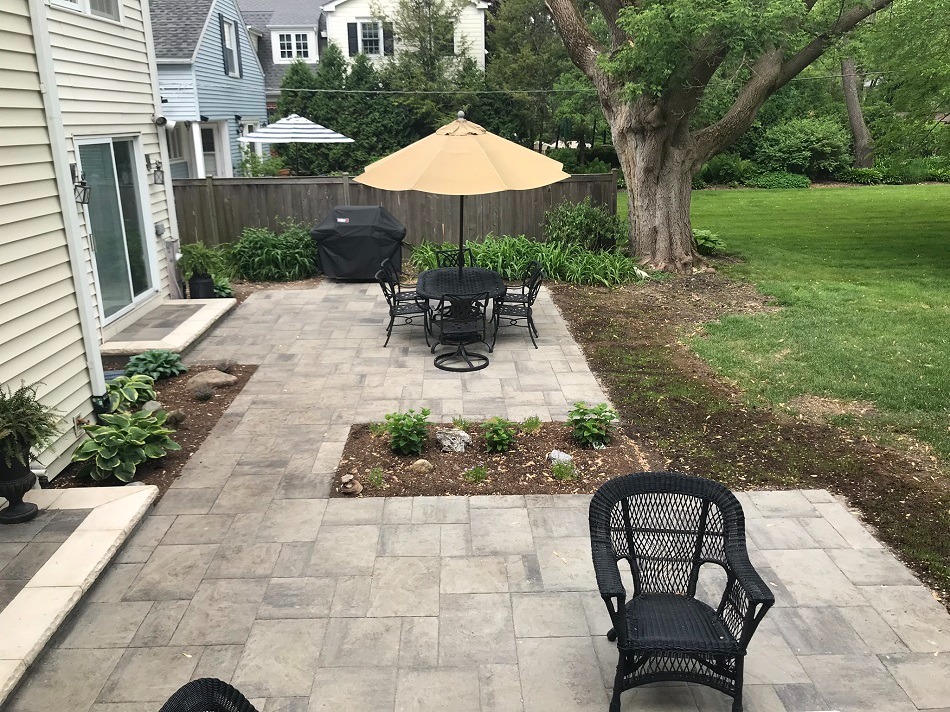
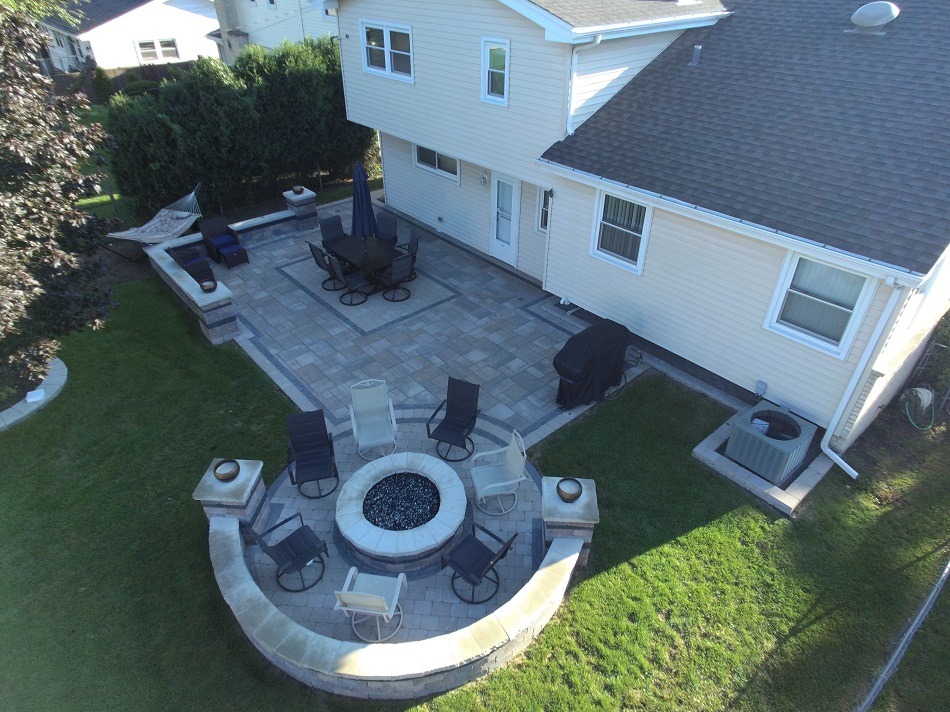
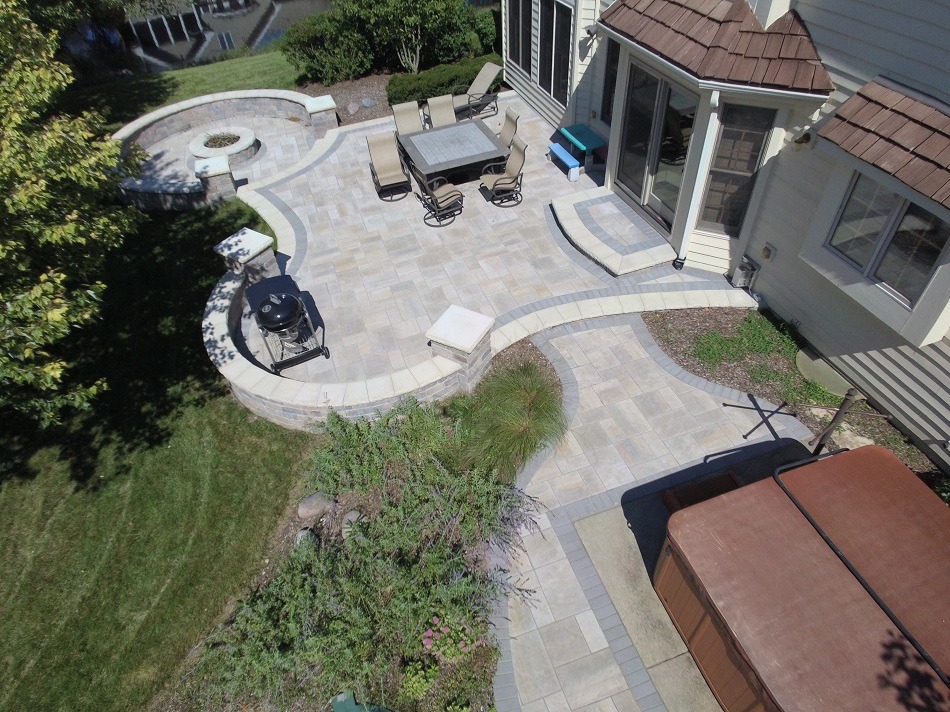
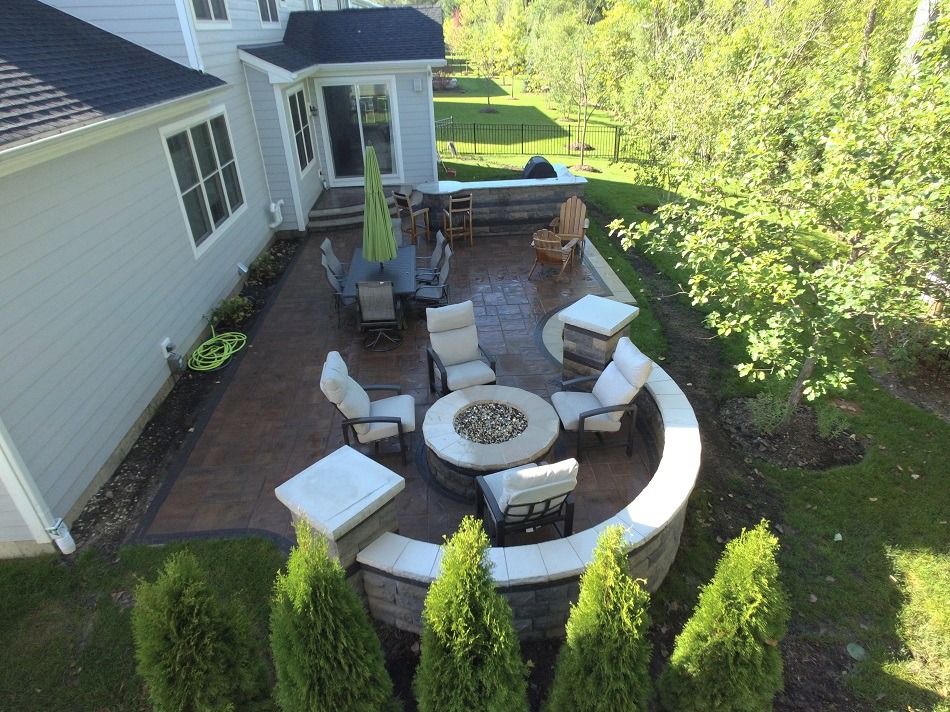
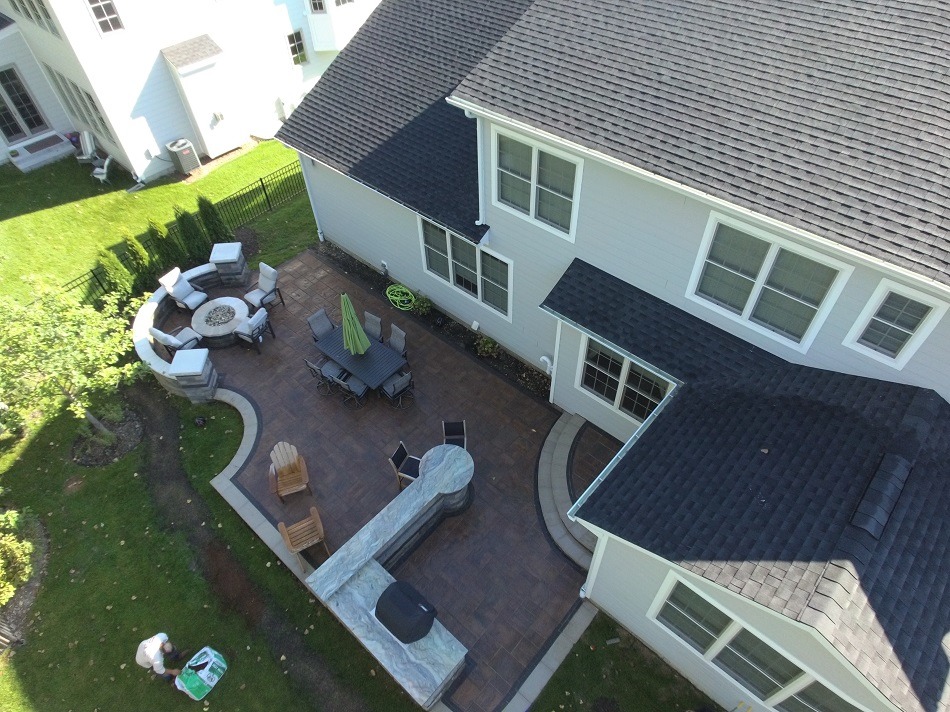
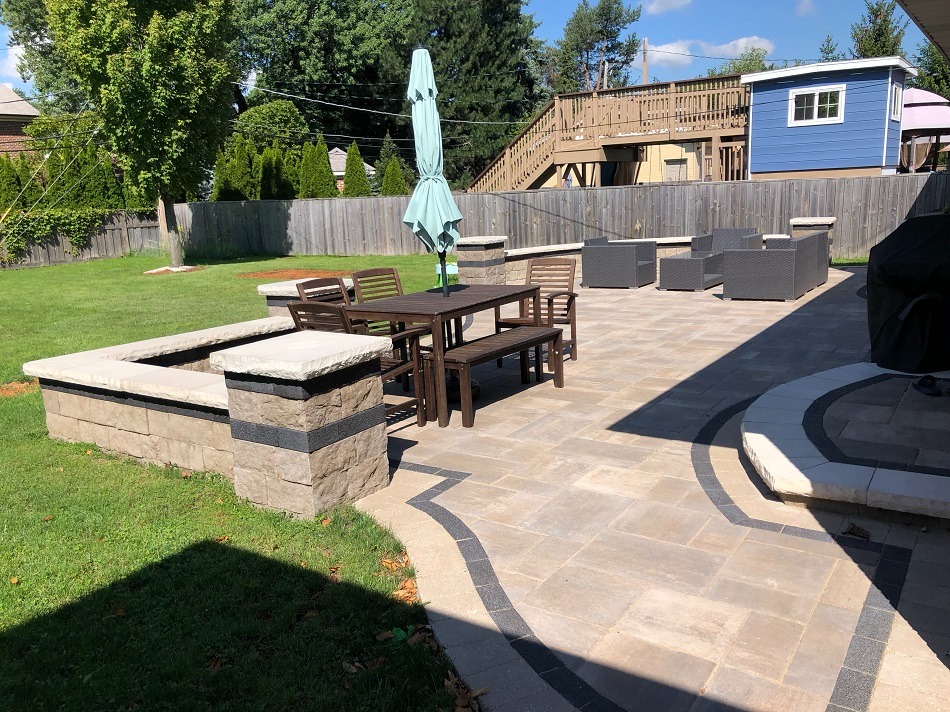
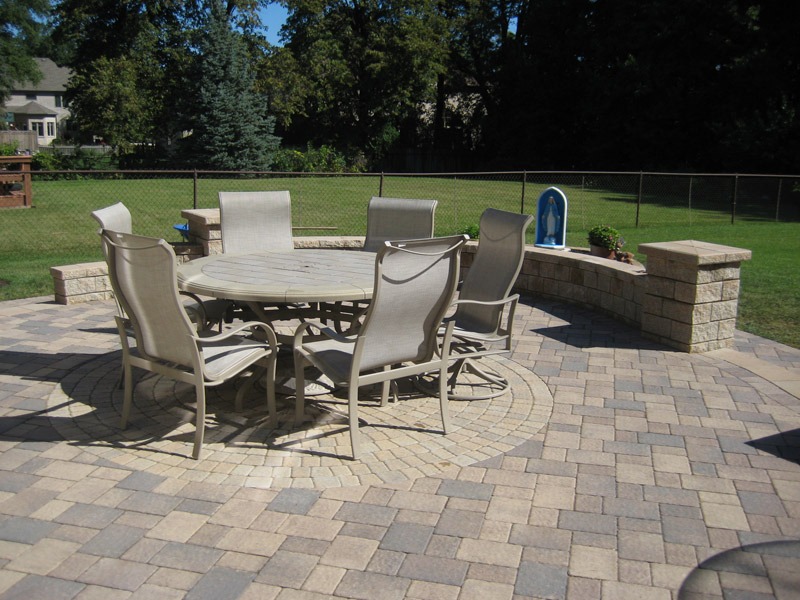
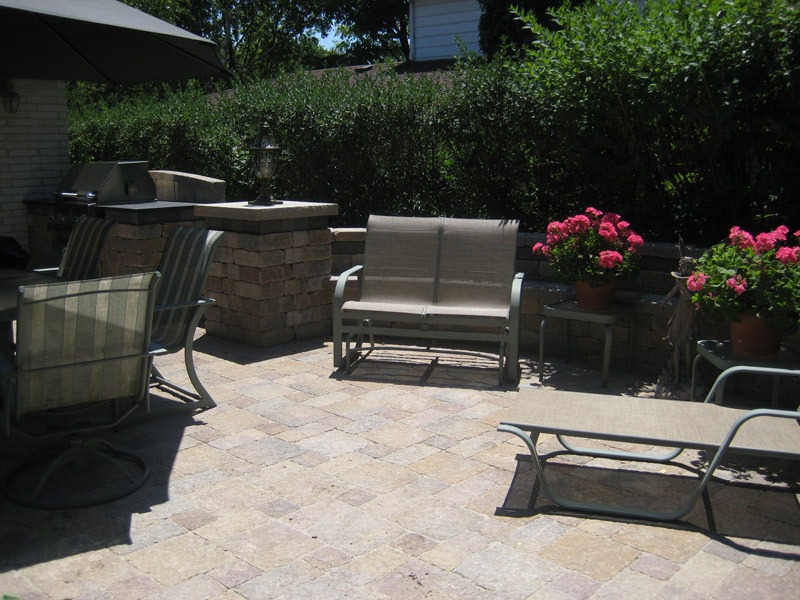
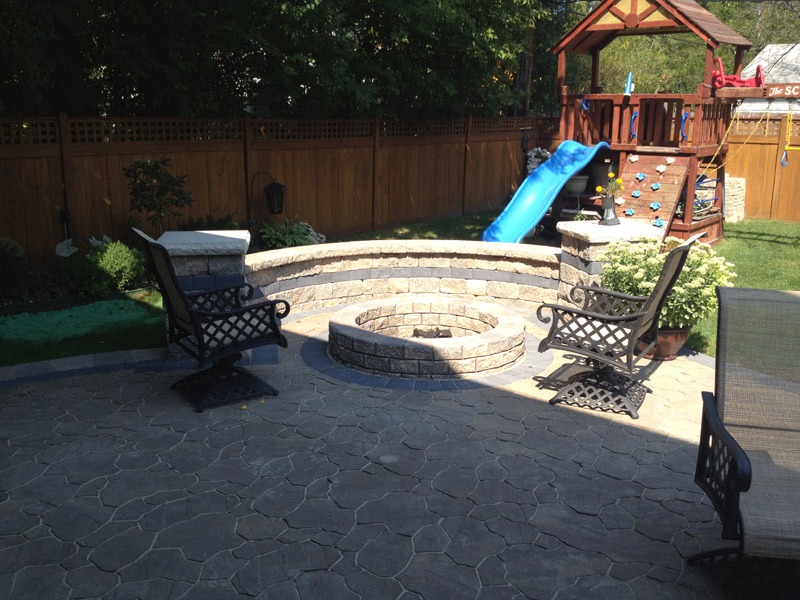
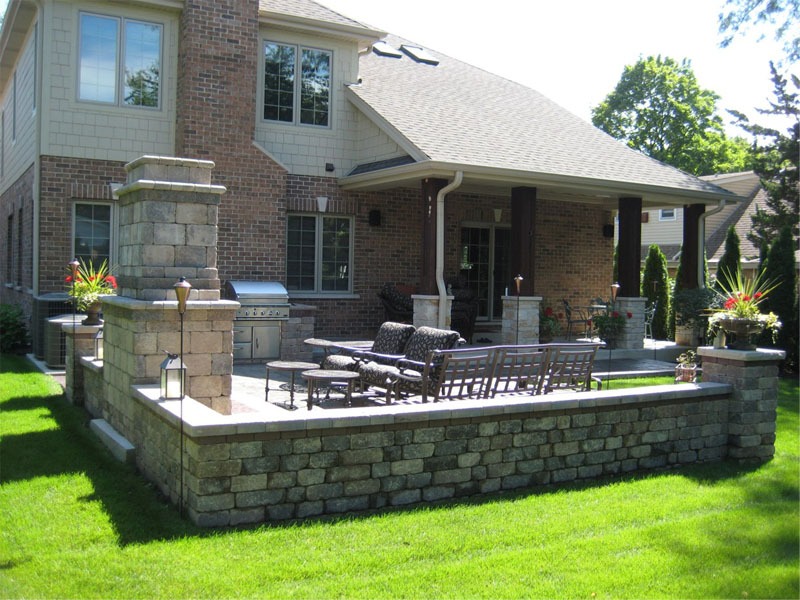
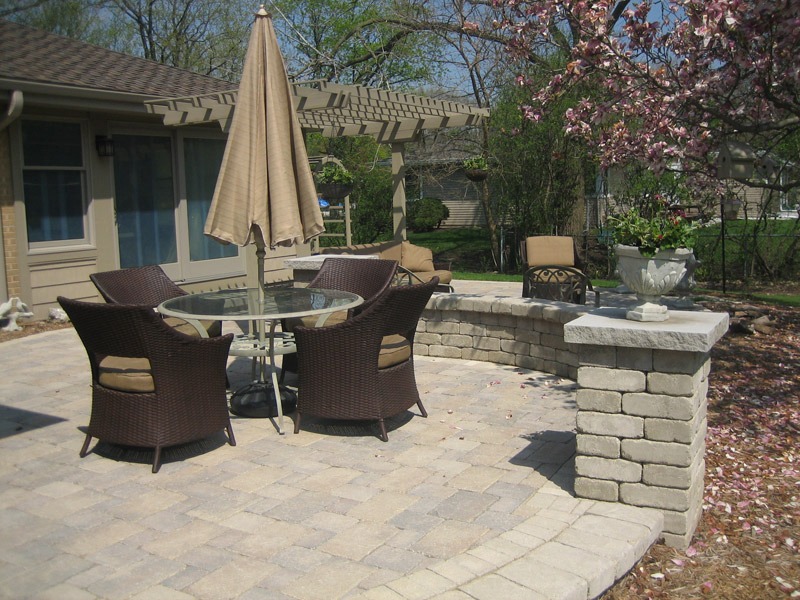
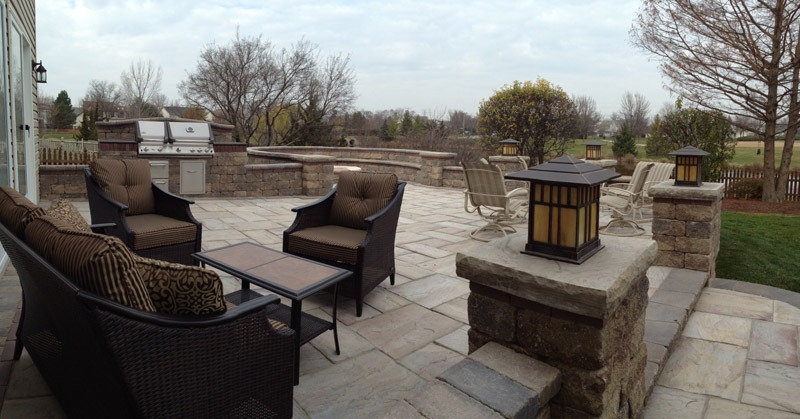
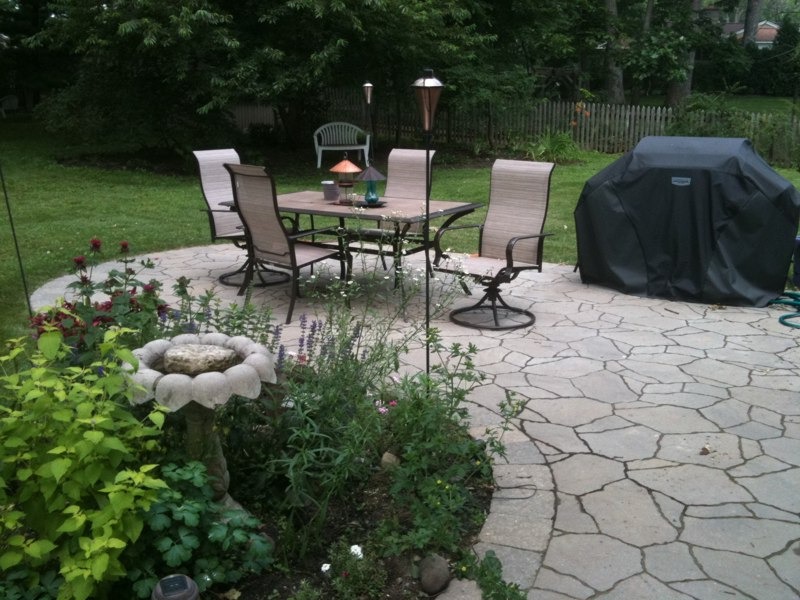
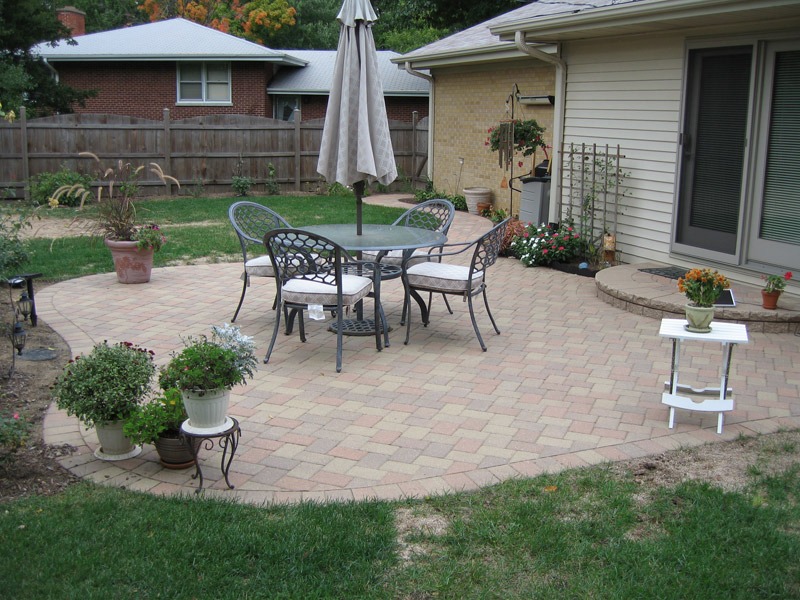
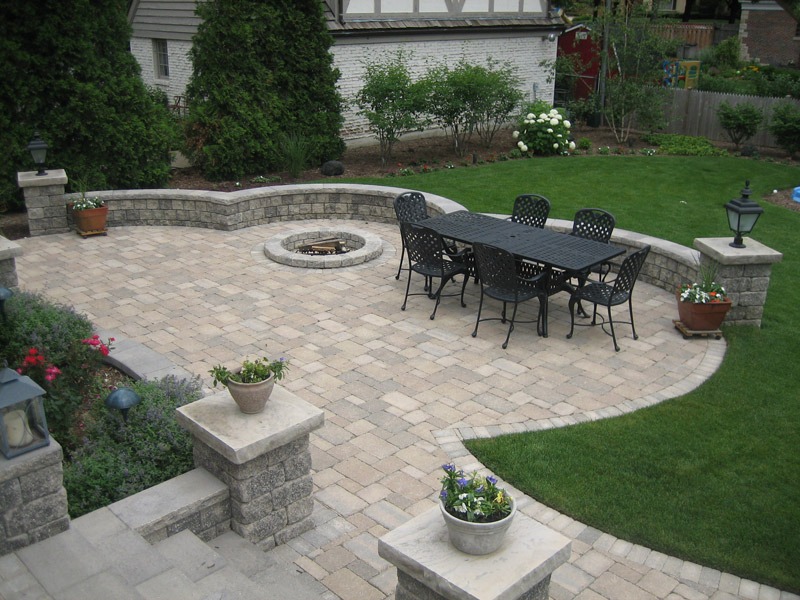
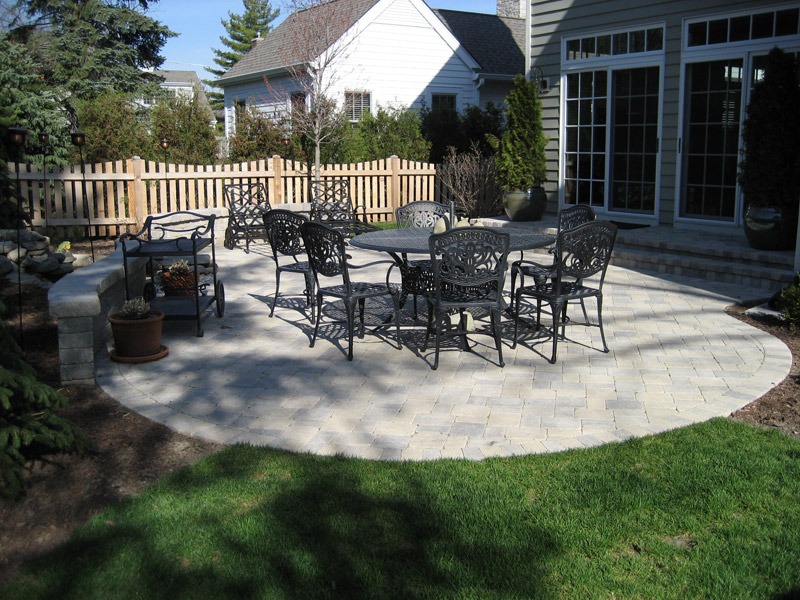
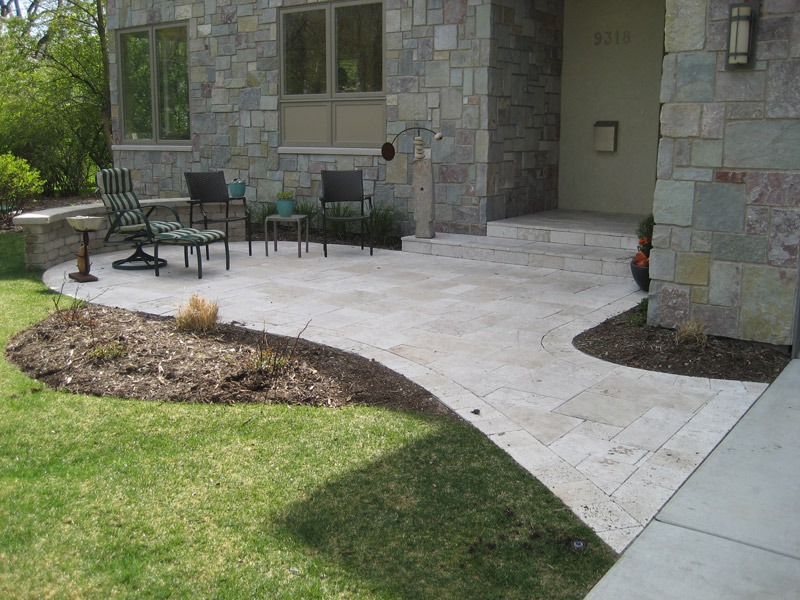
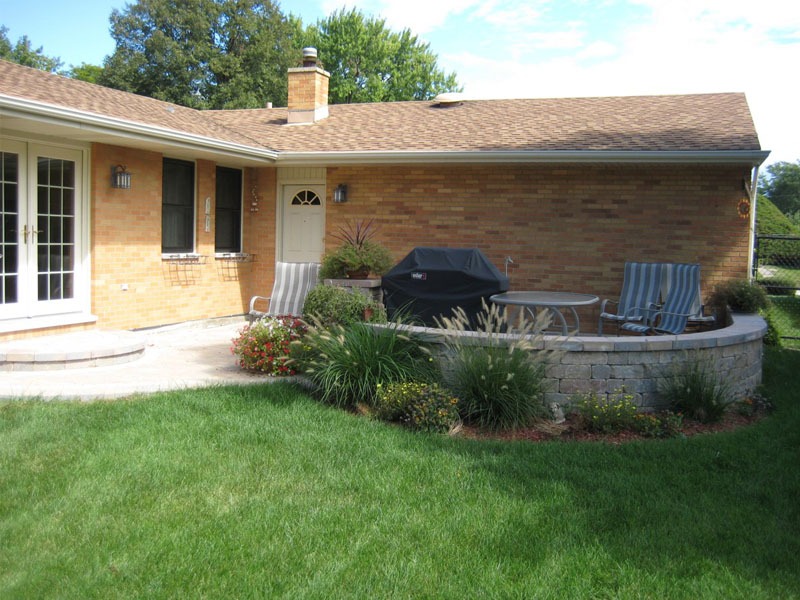
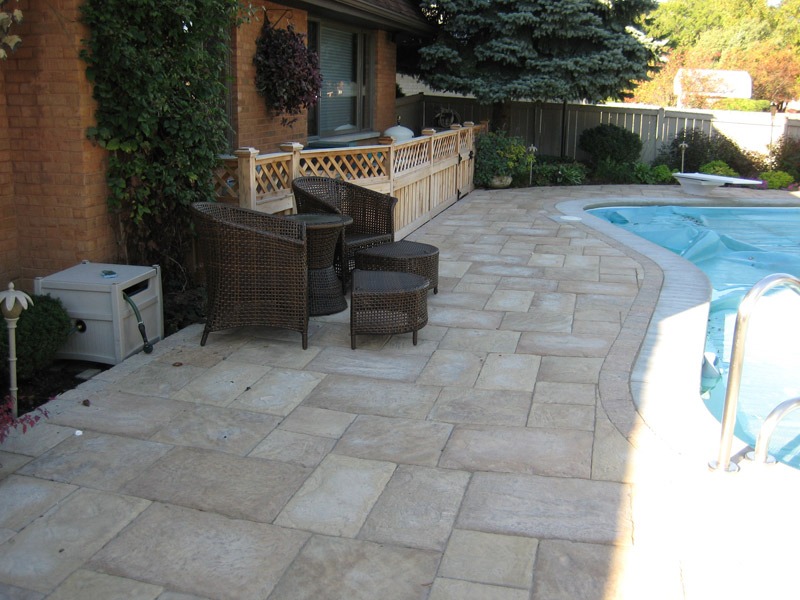
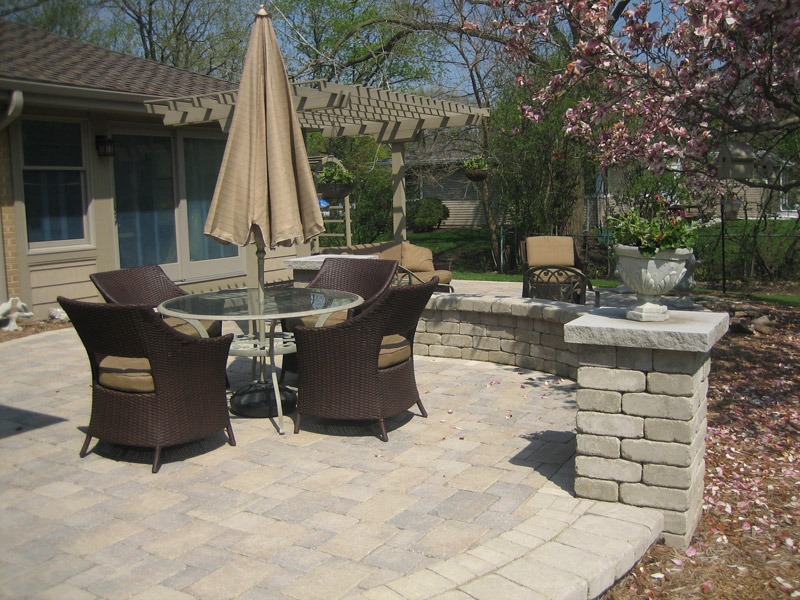
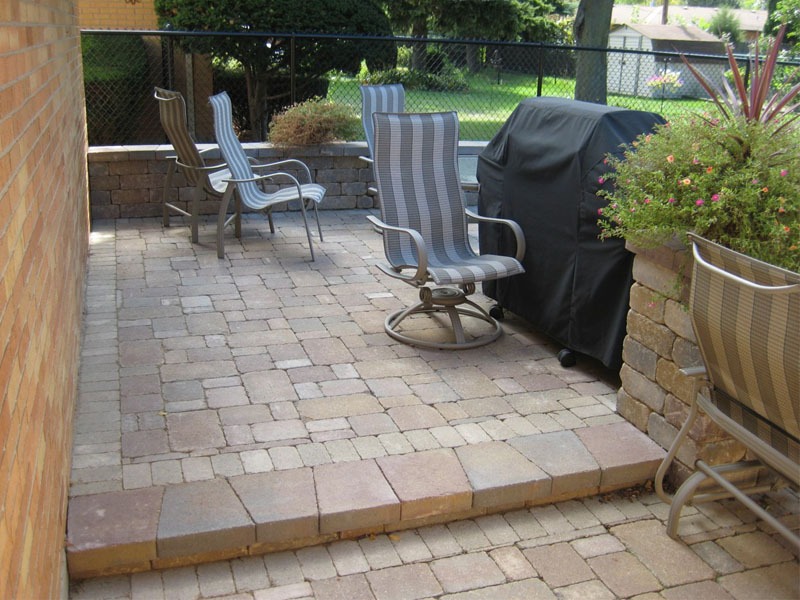
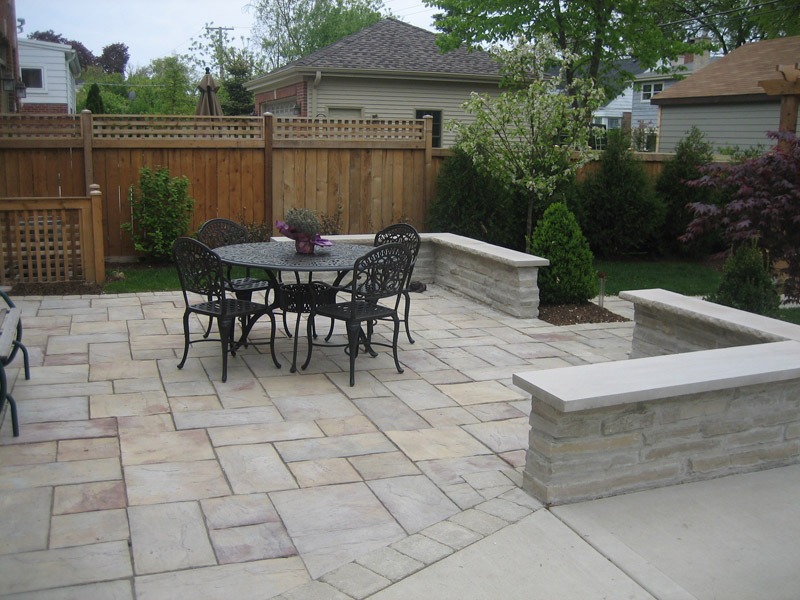
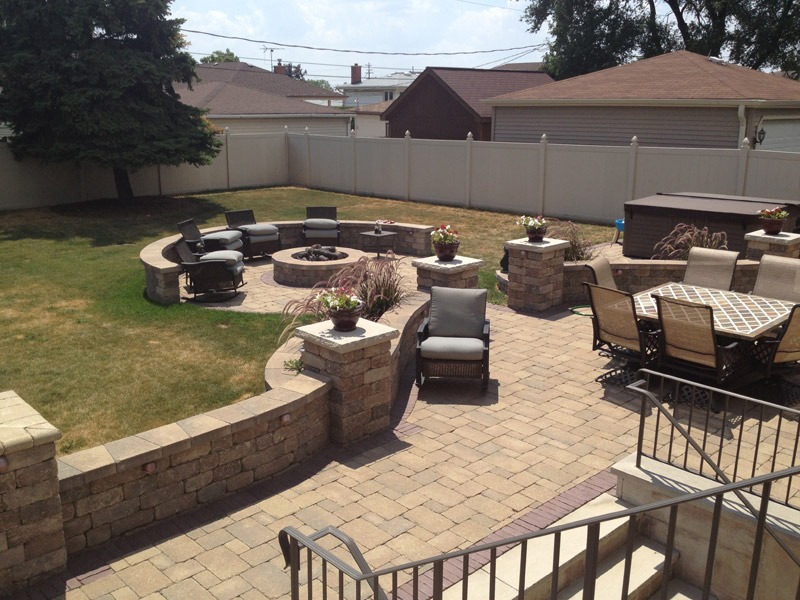
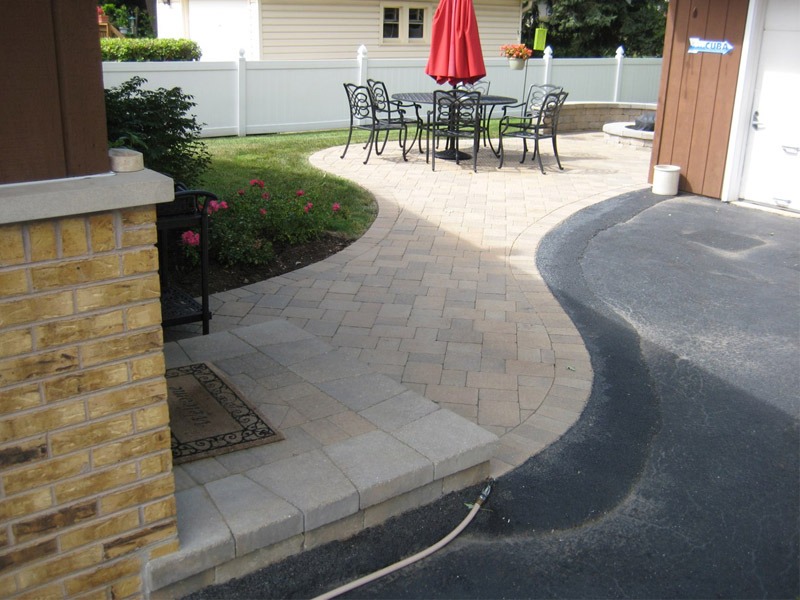
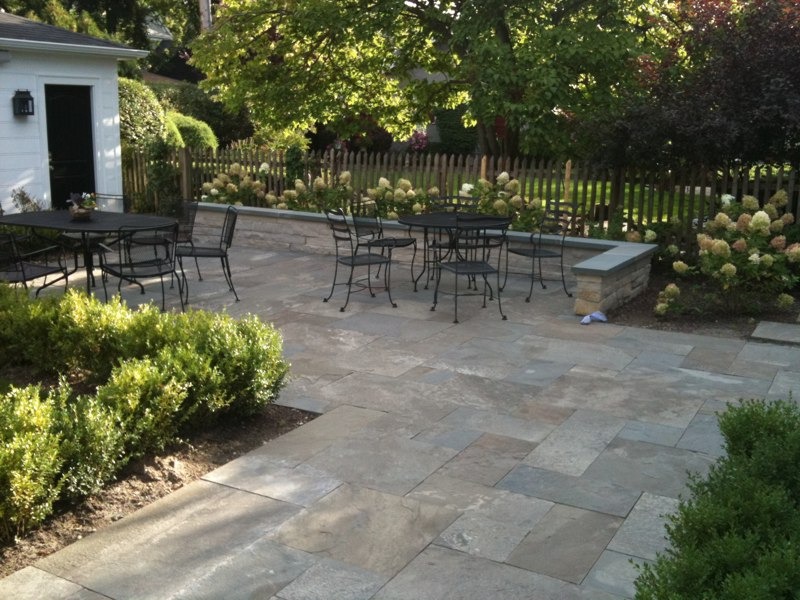
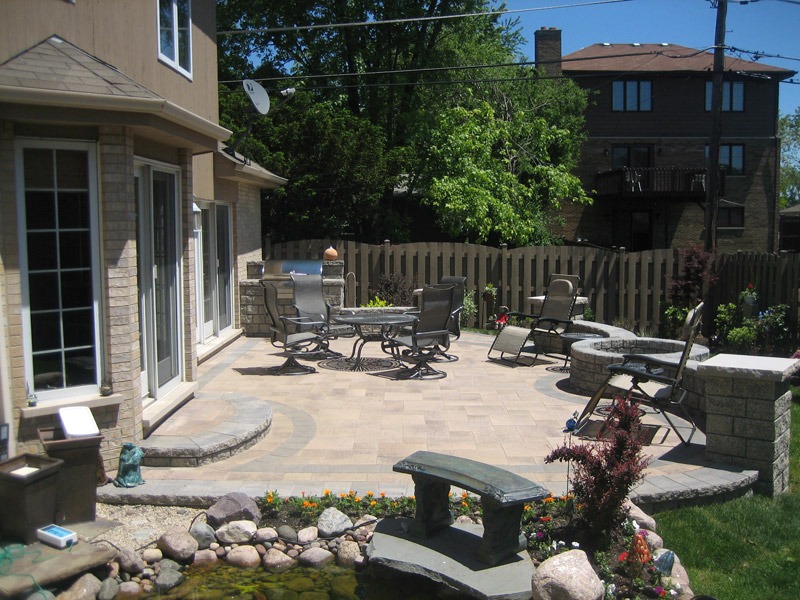
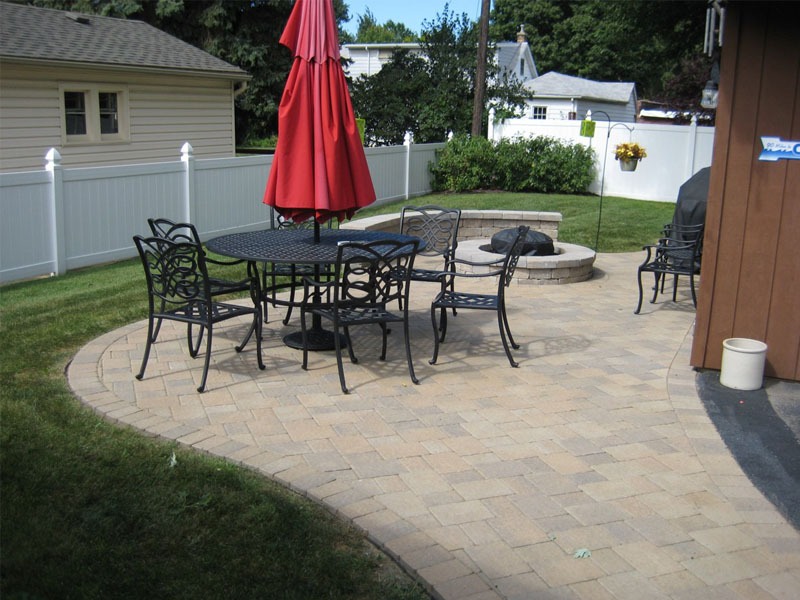
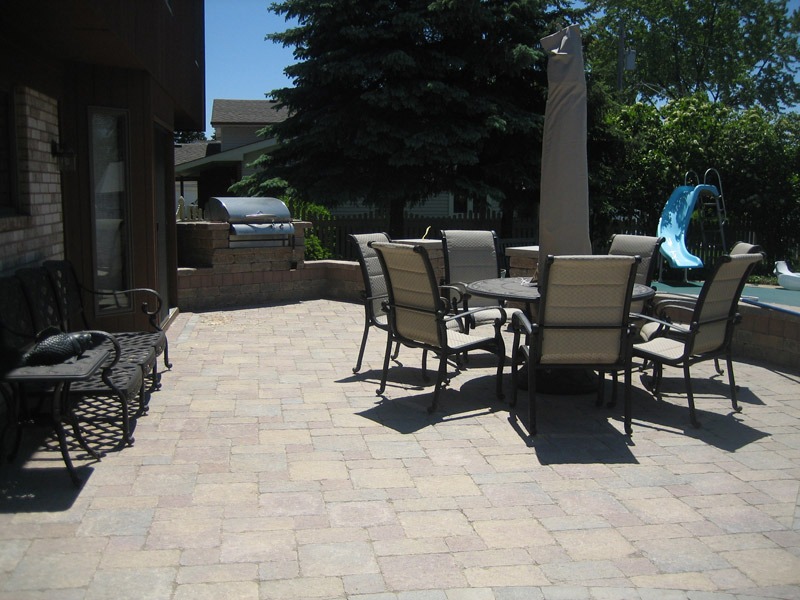
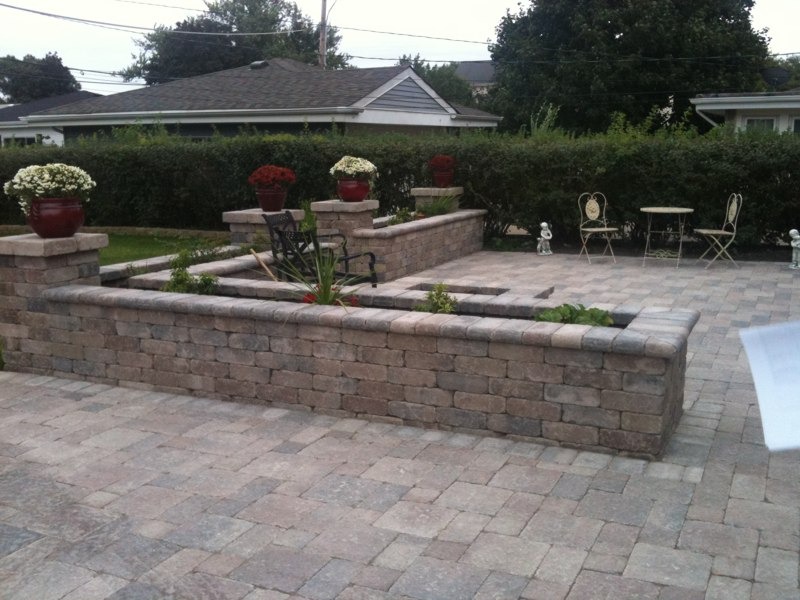
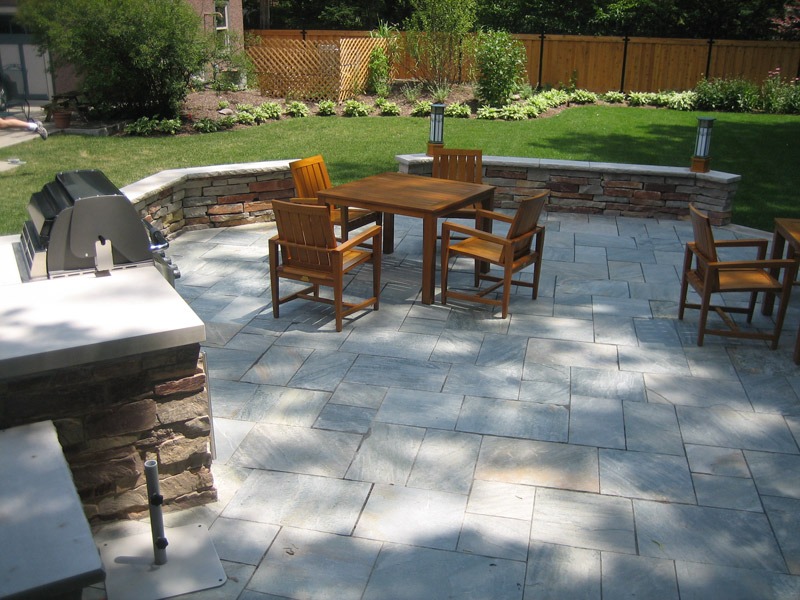
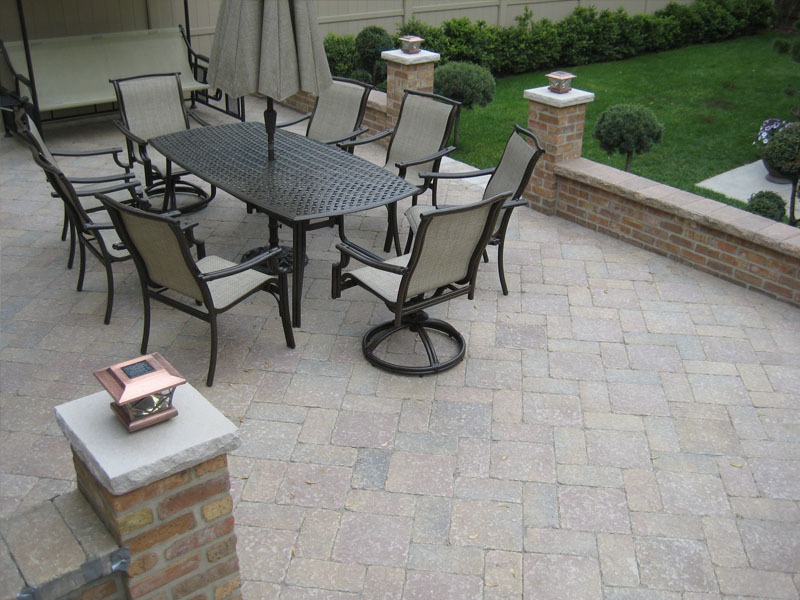
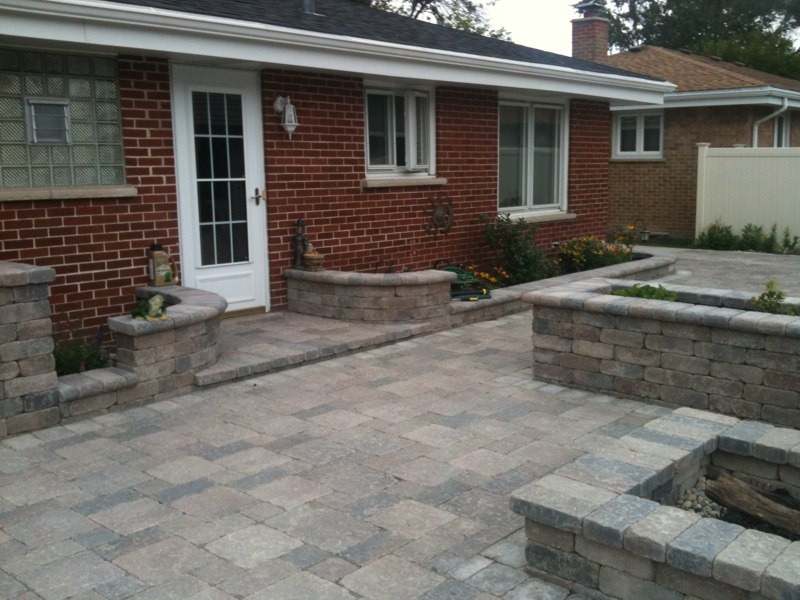
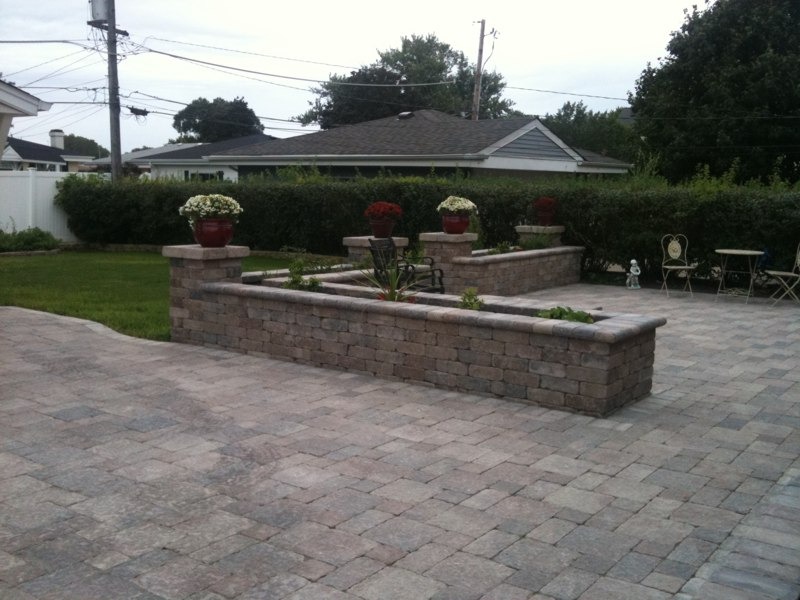
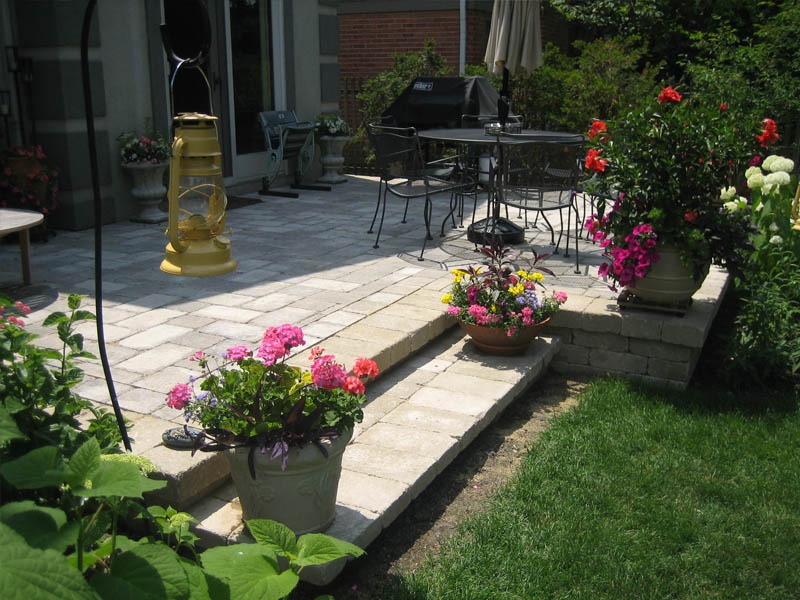
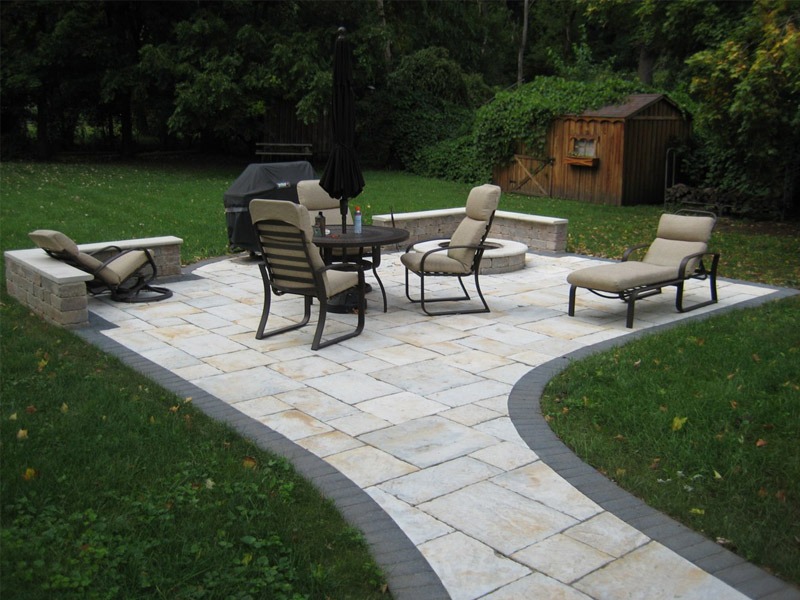
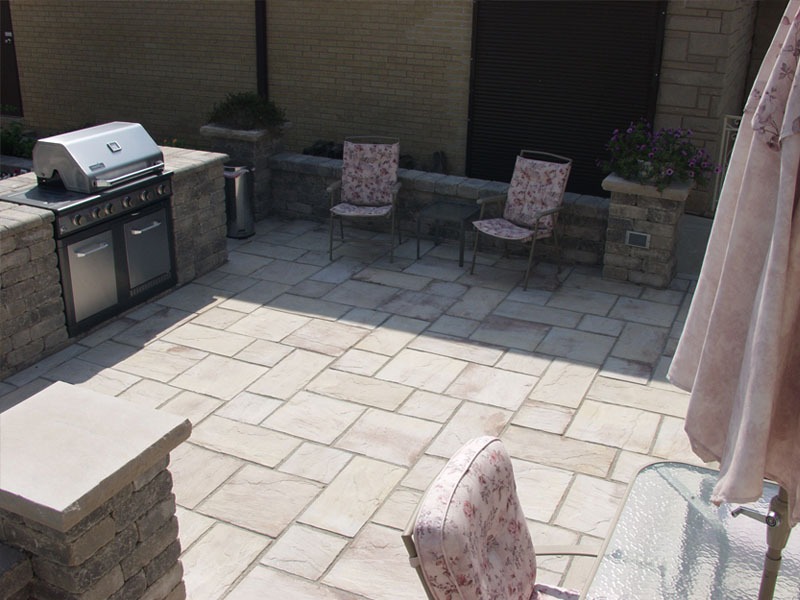
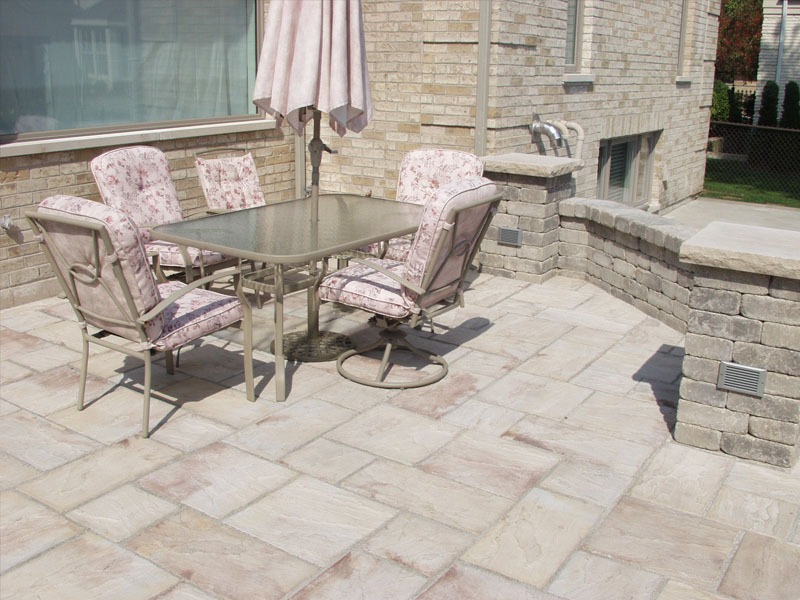
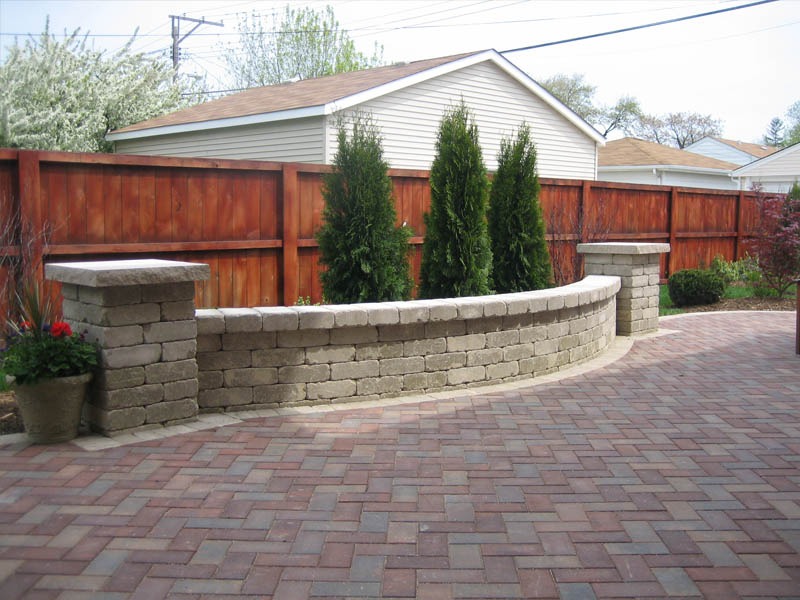
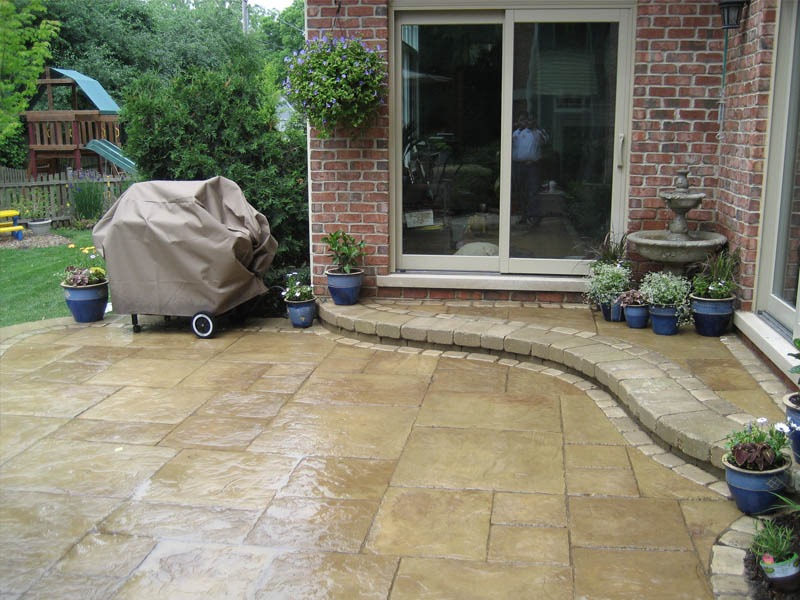
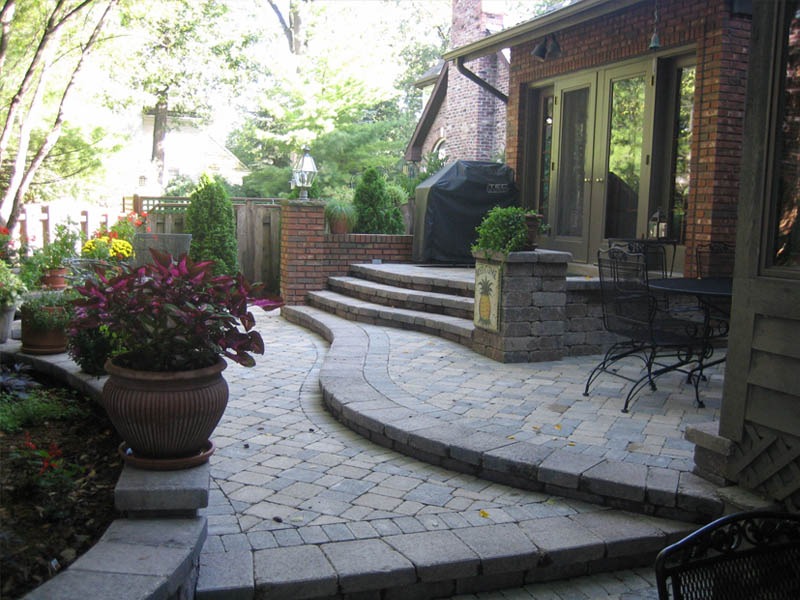
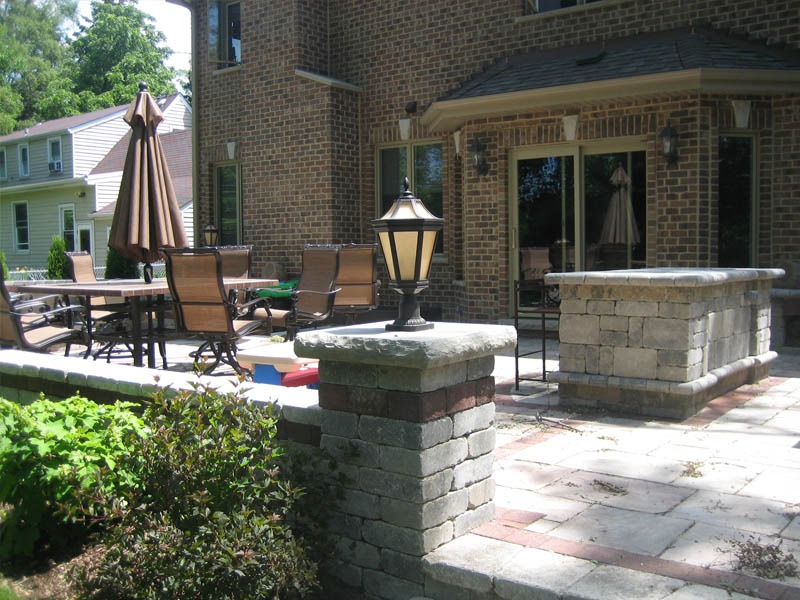
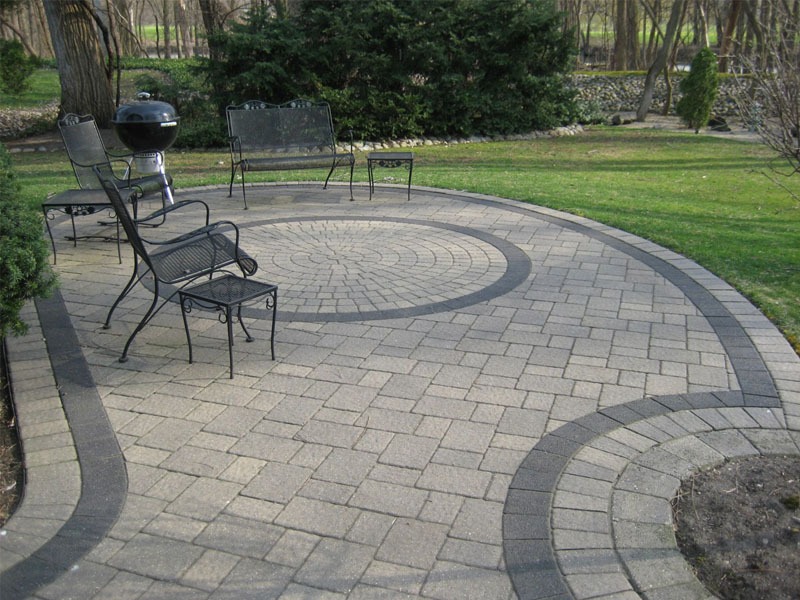
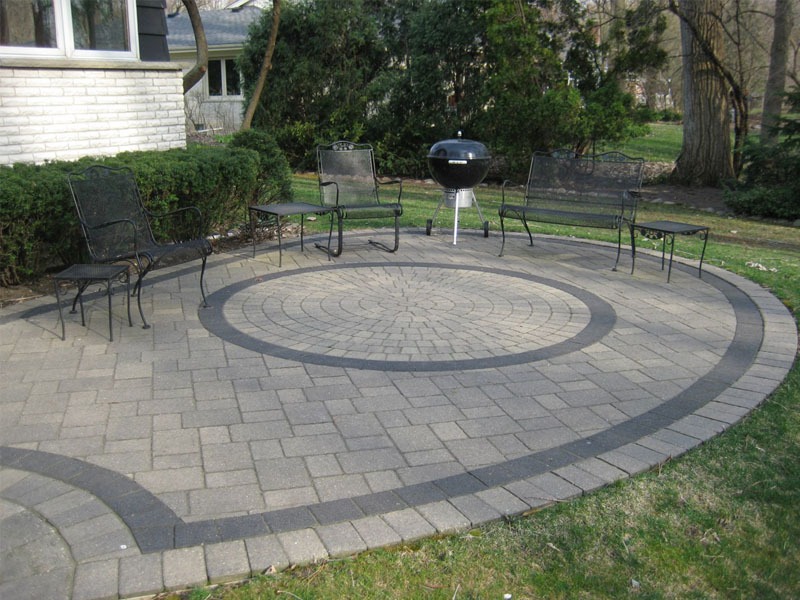
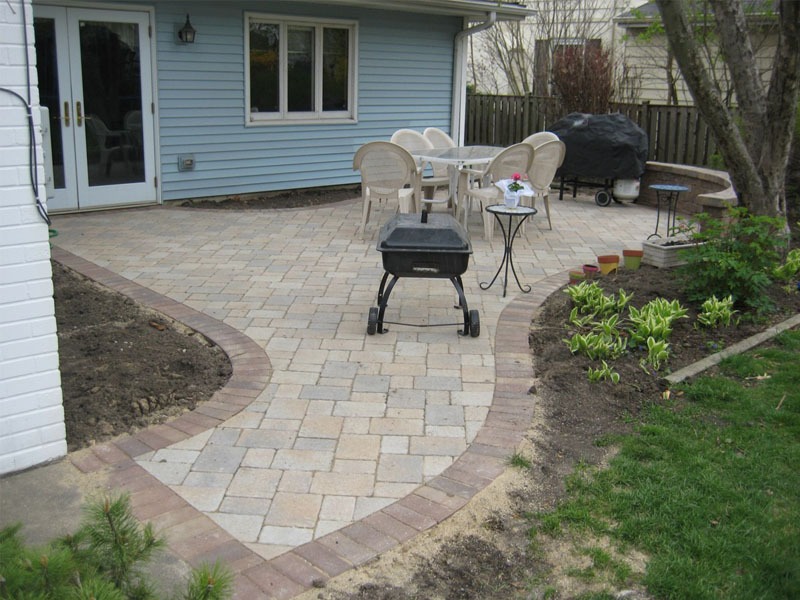
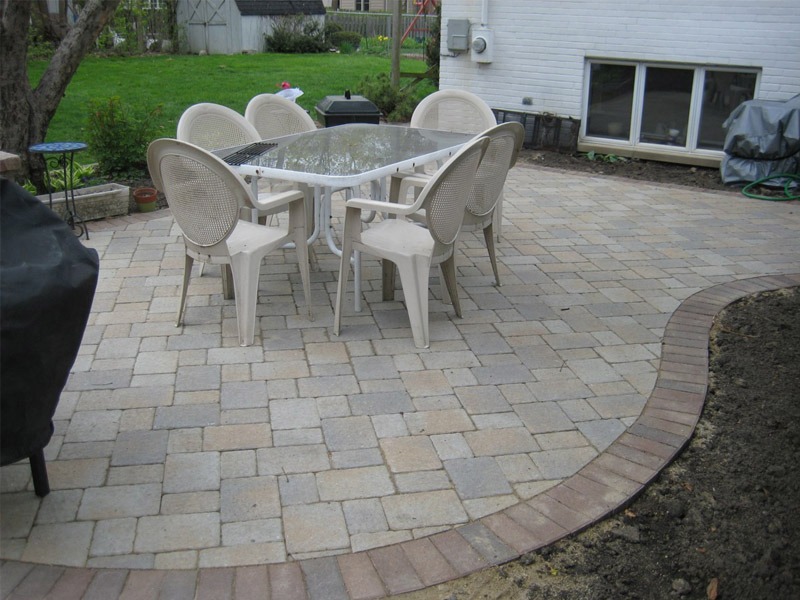
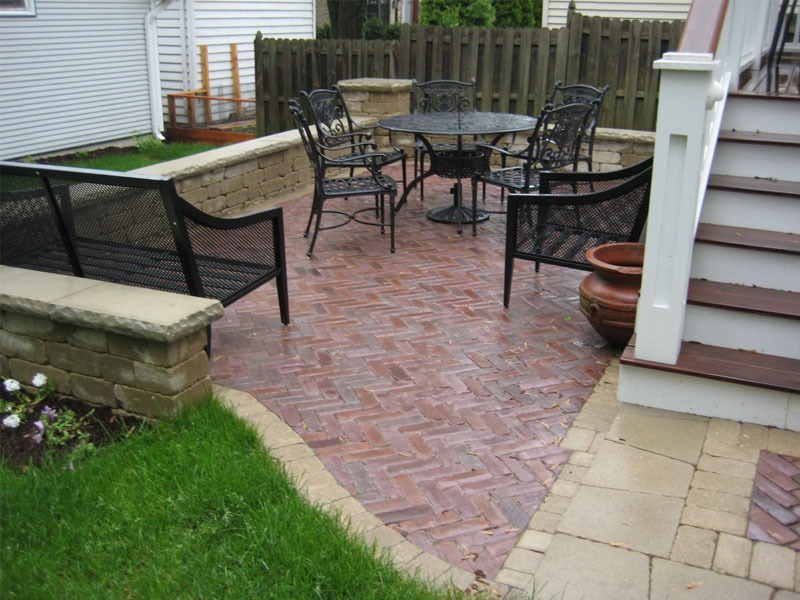
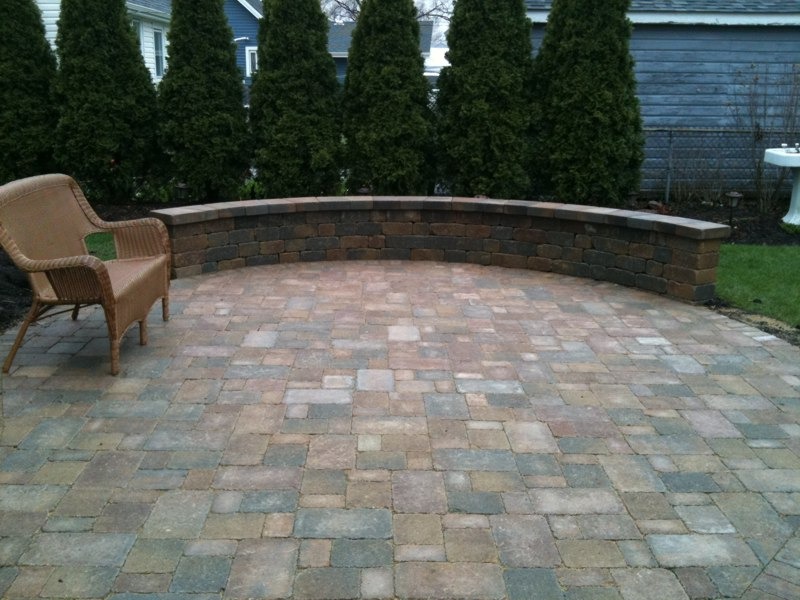
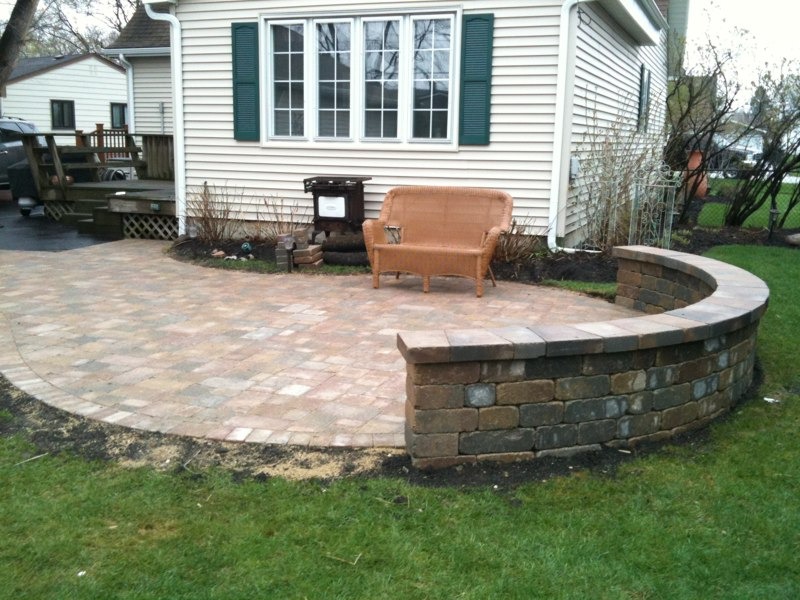
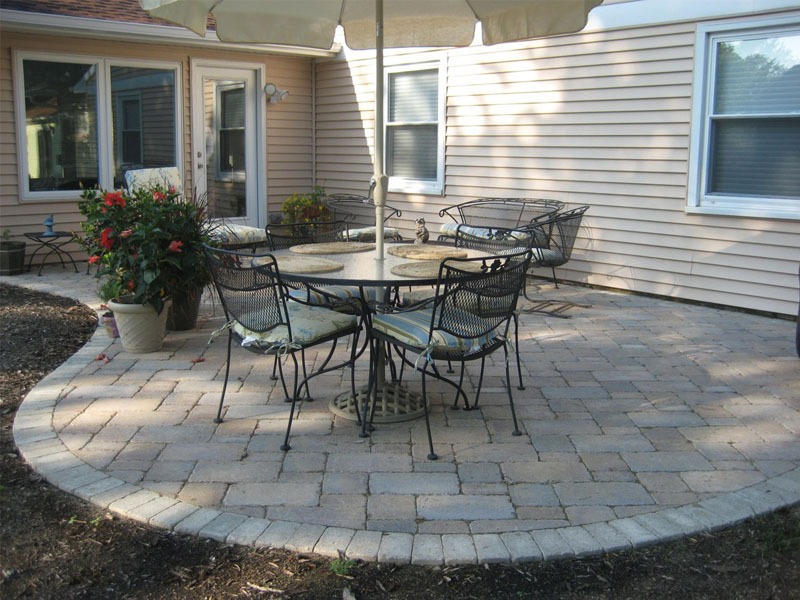
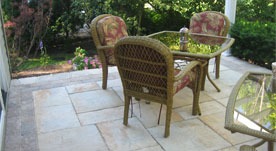
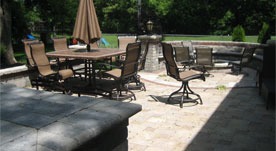
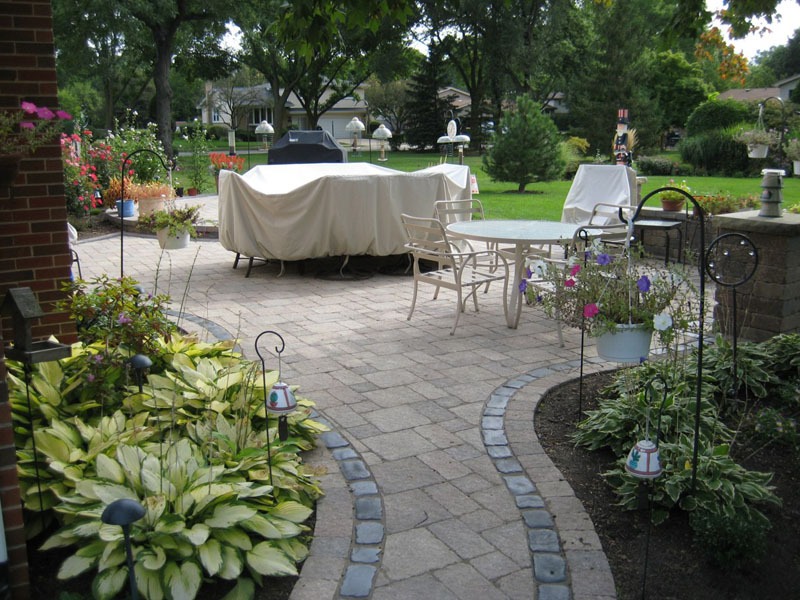
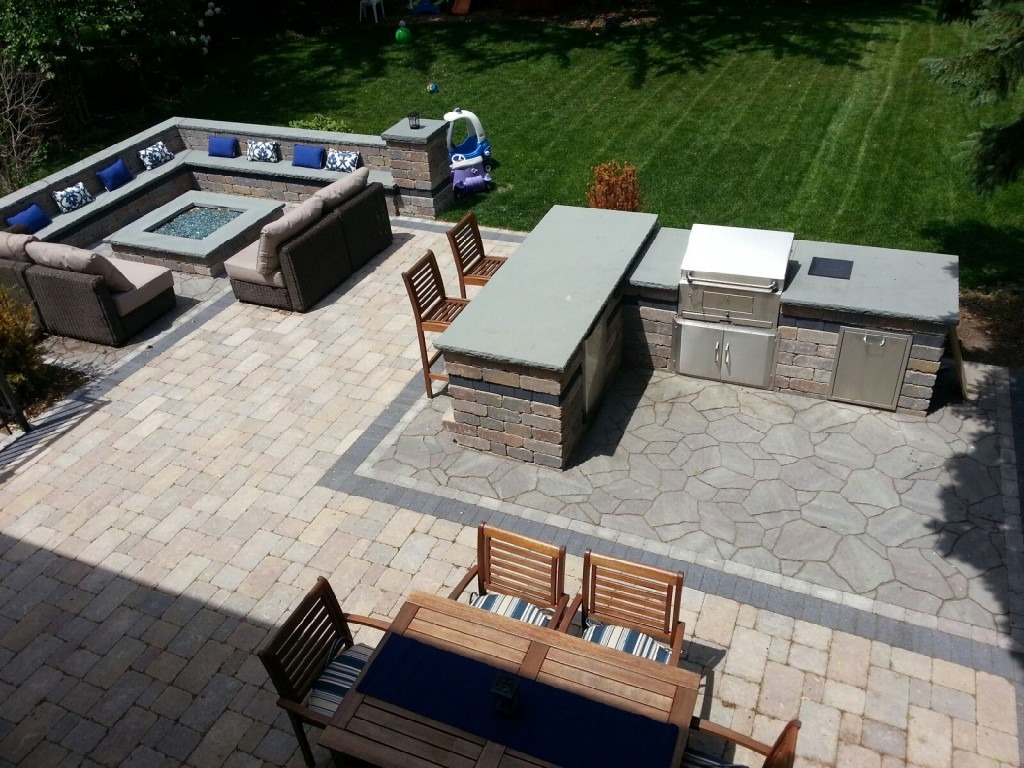
Every patio needs a different footprint. Some homeowners need a small sitting area outside a back door. Others need a full outdoor living layout with a grill enclosure, fire pit, seat walls, natural stone, pavilion connection, or outdoor kitchen.
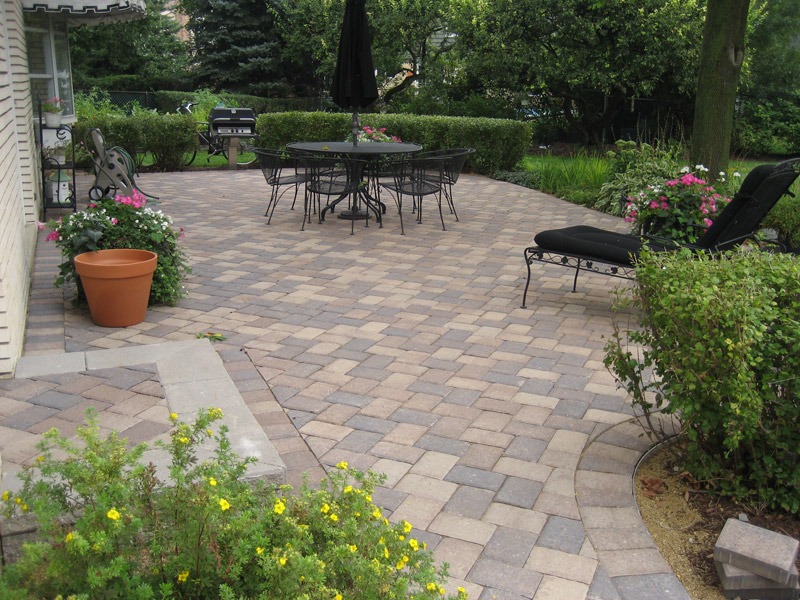
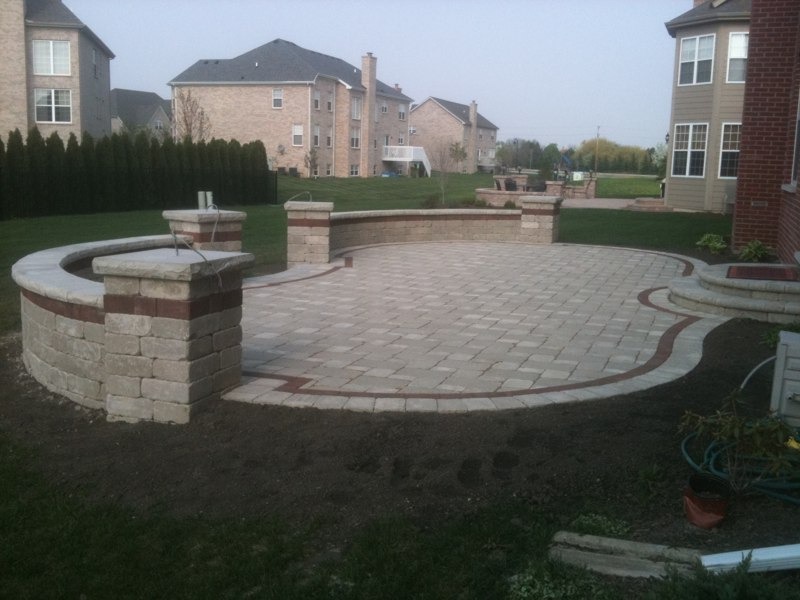
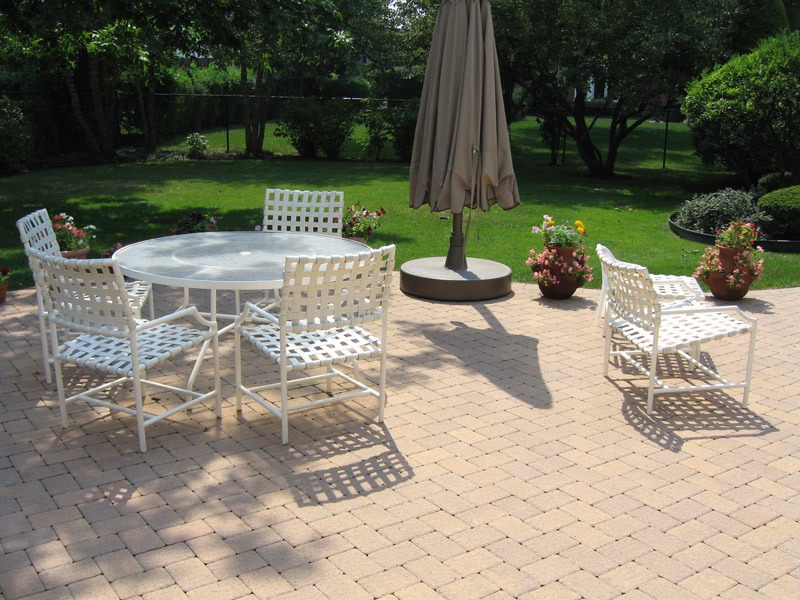
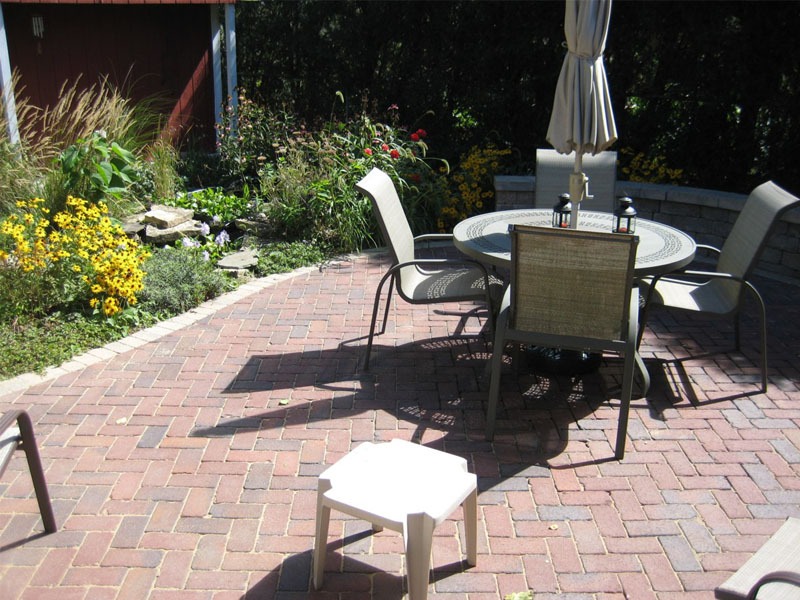
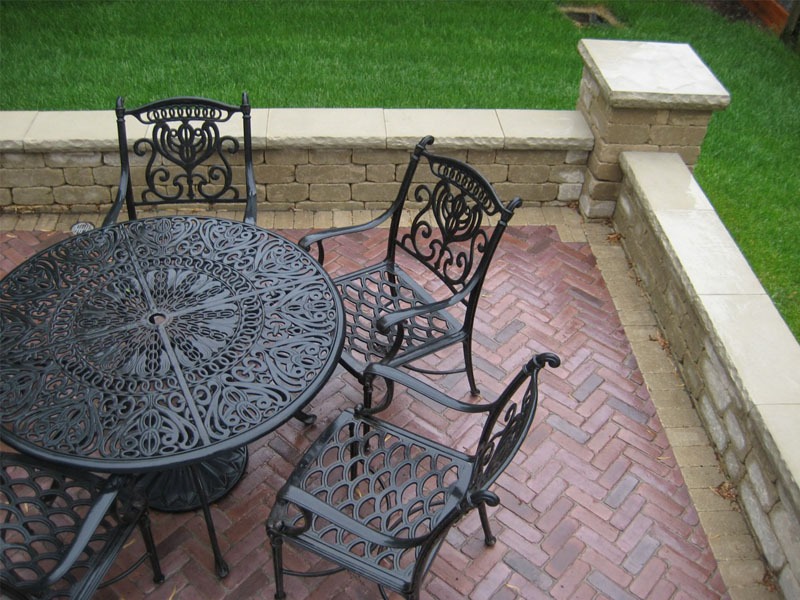
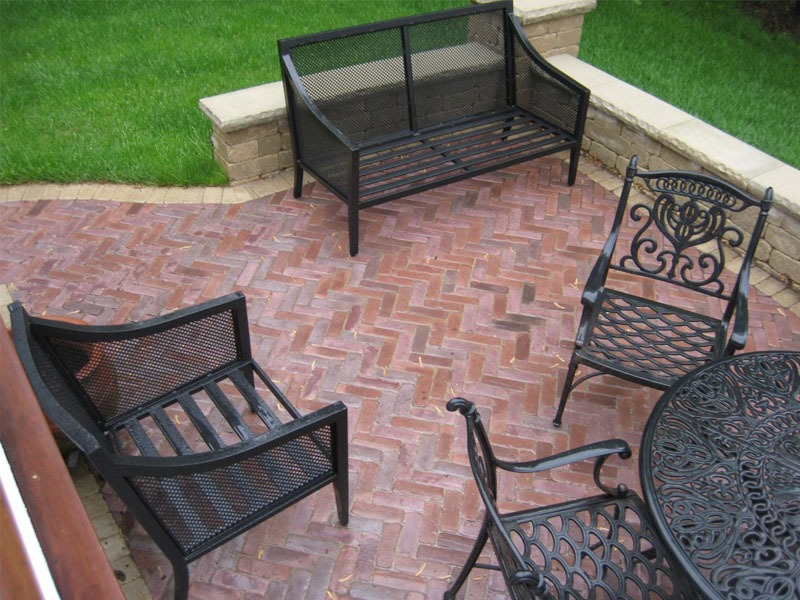
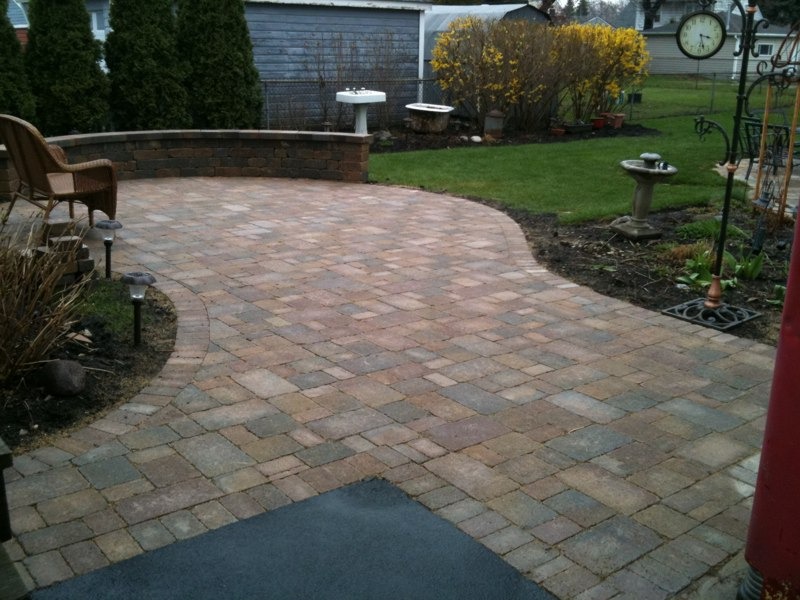
3D Brick Paving’s patio gallery page states that brick patios can be customized by size, shape, and pattern to fit the outdoor space and intended use, from smaller reading areas to larger entertaining spaces.
Patio options include:
- Unilock paver fields
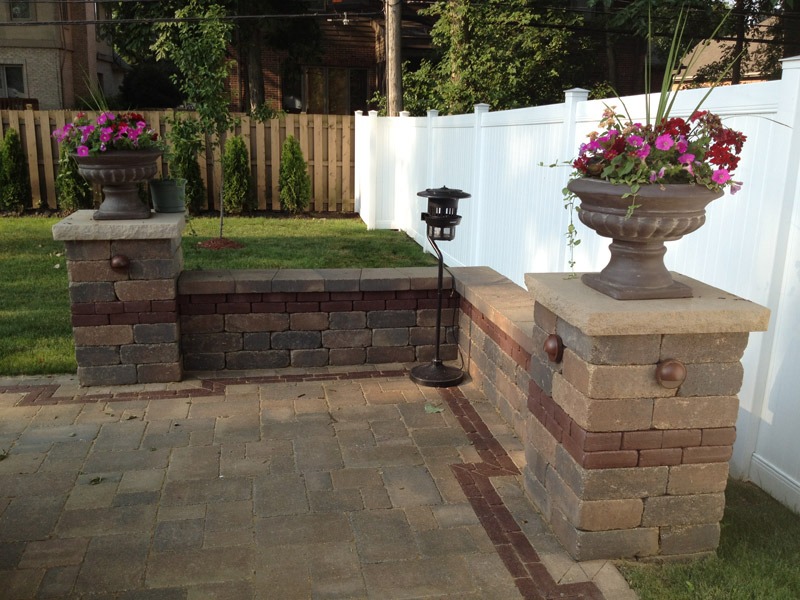
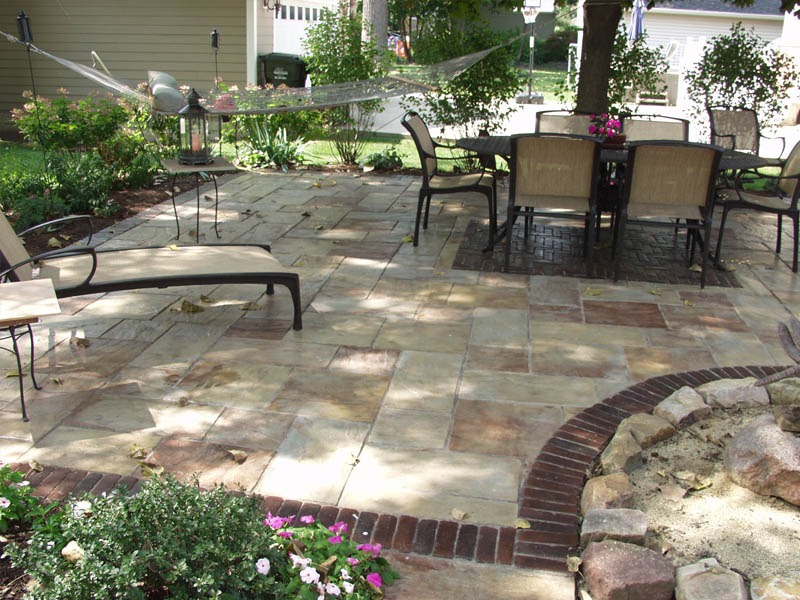
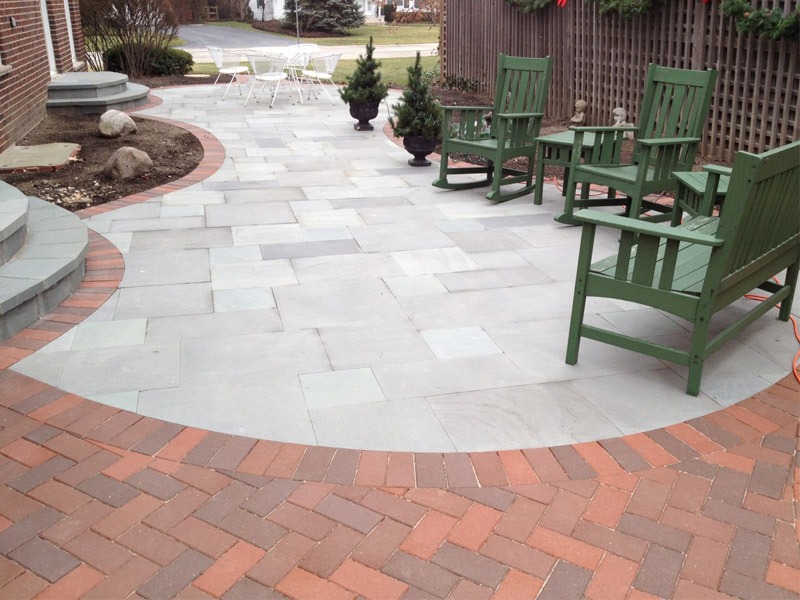
- Contrasting paver borders
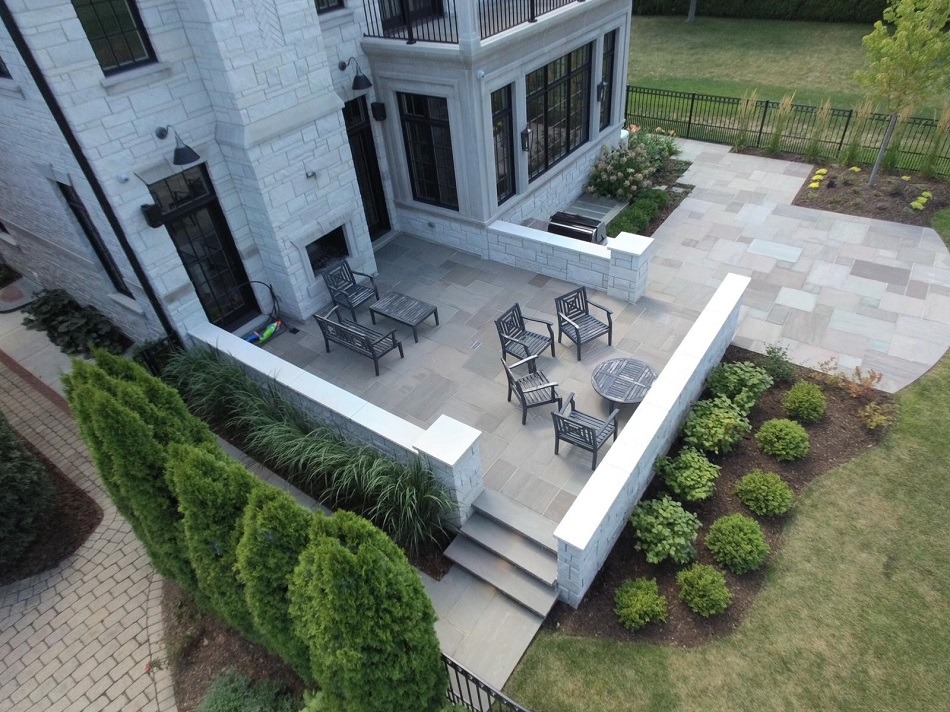
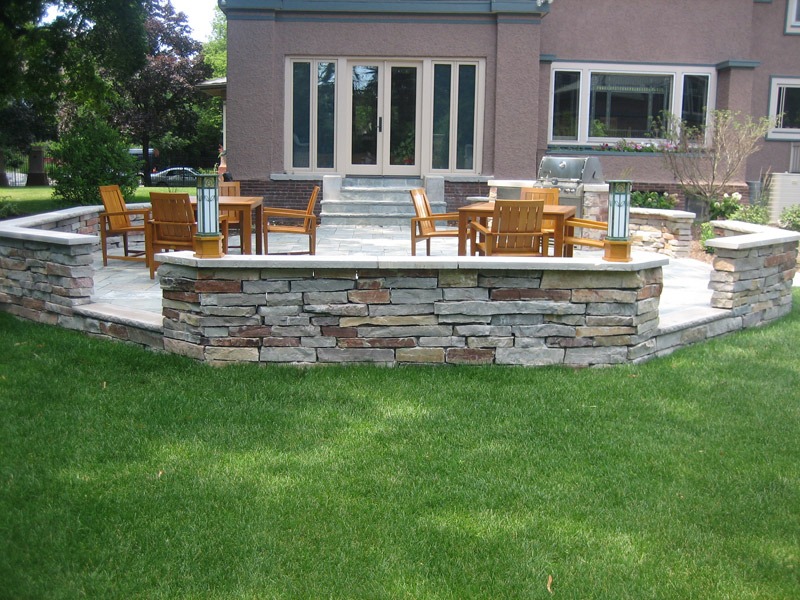
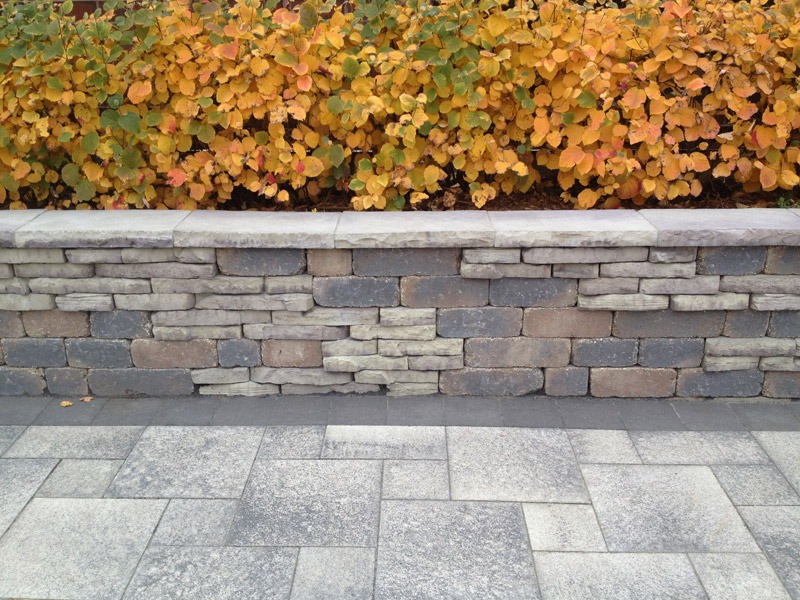
- Natural stone walls
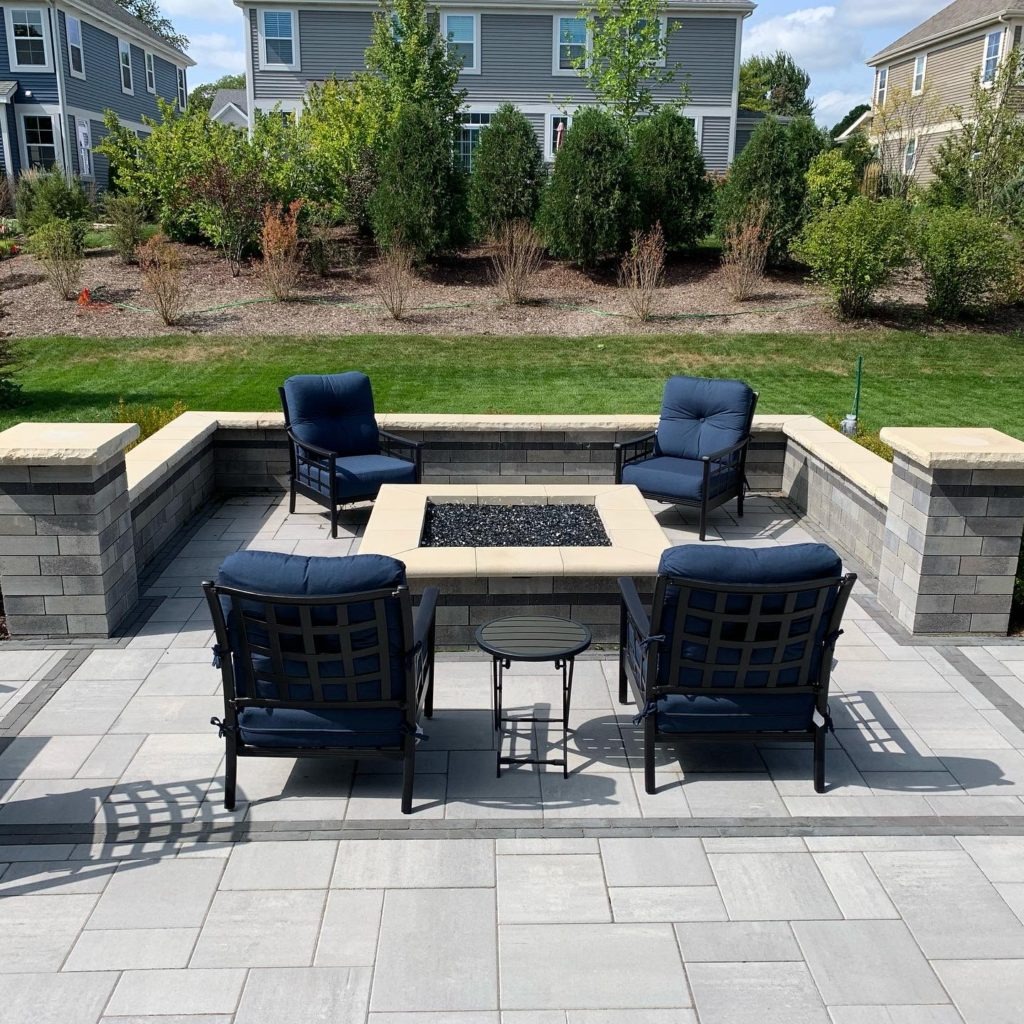
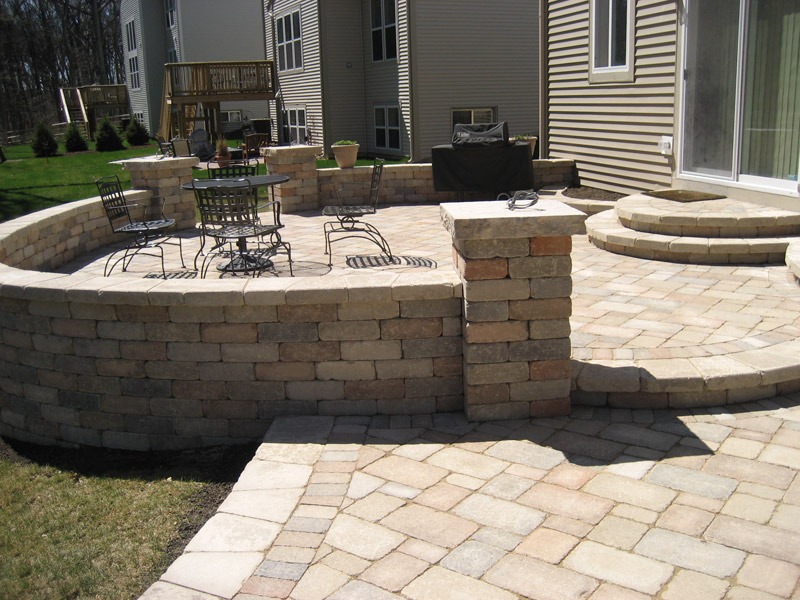
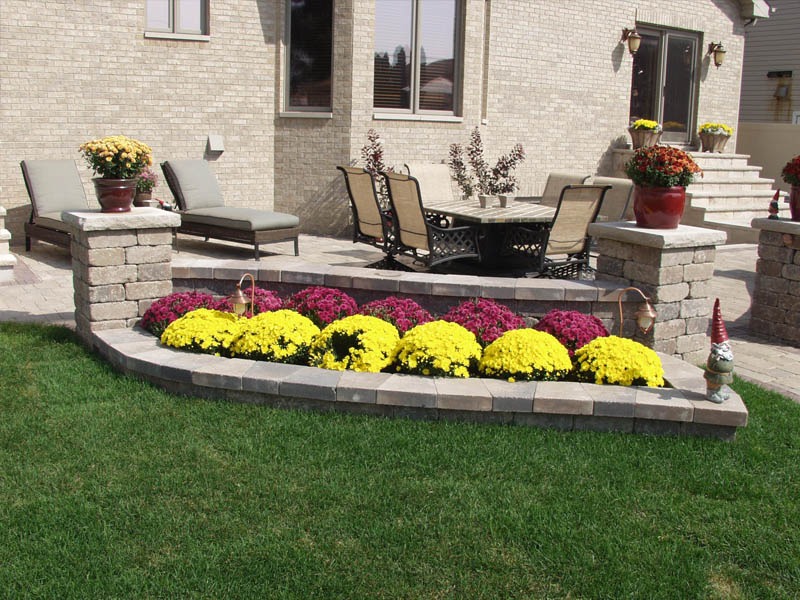
- Seat walls
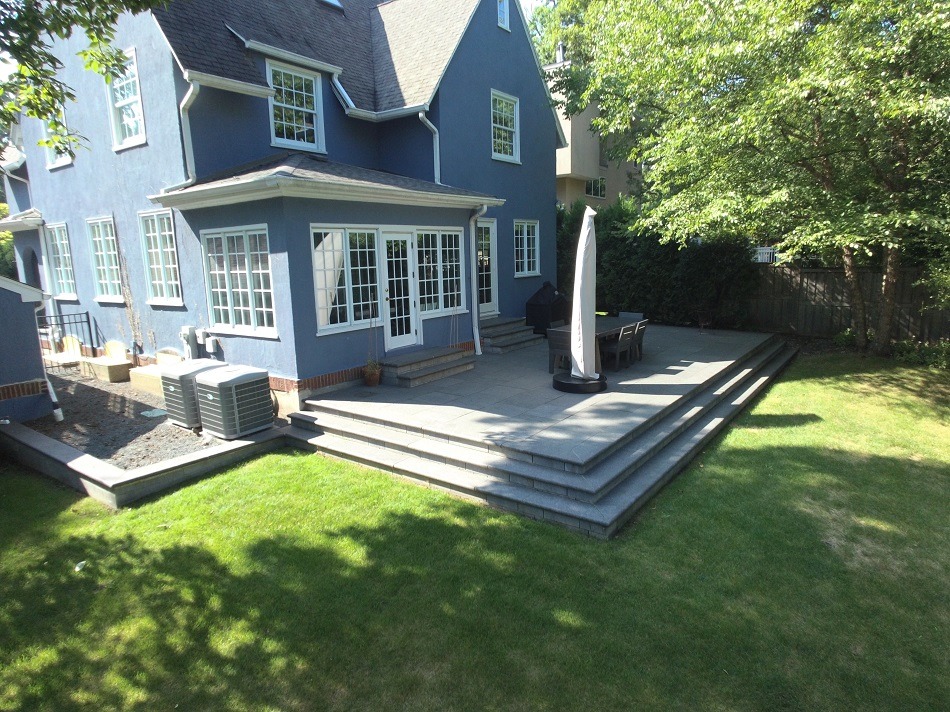
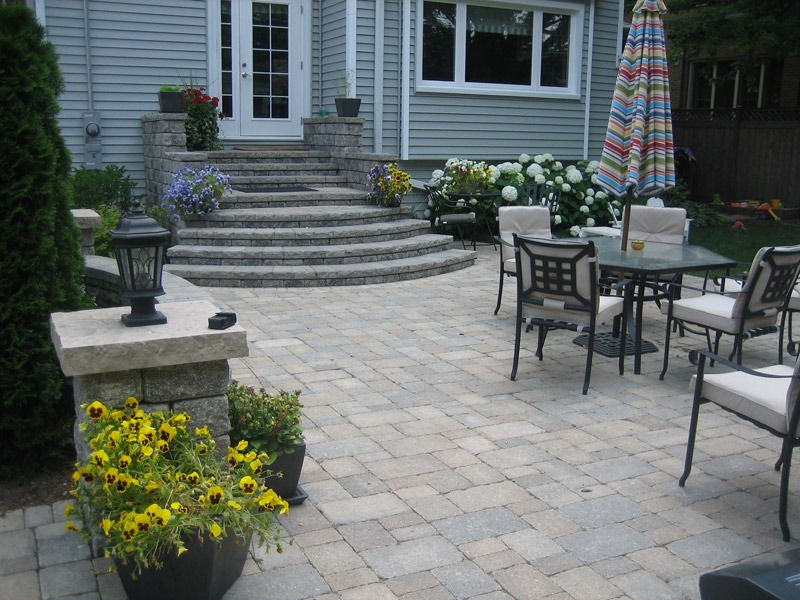
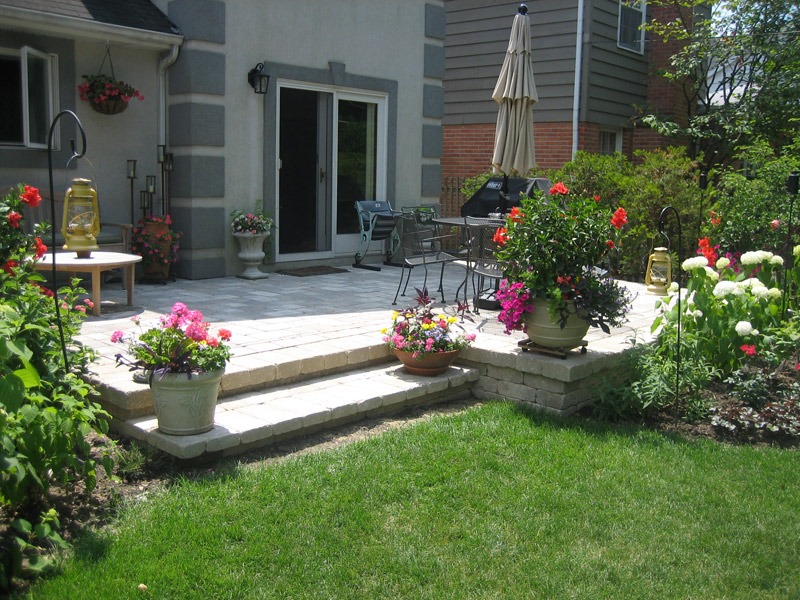
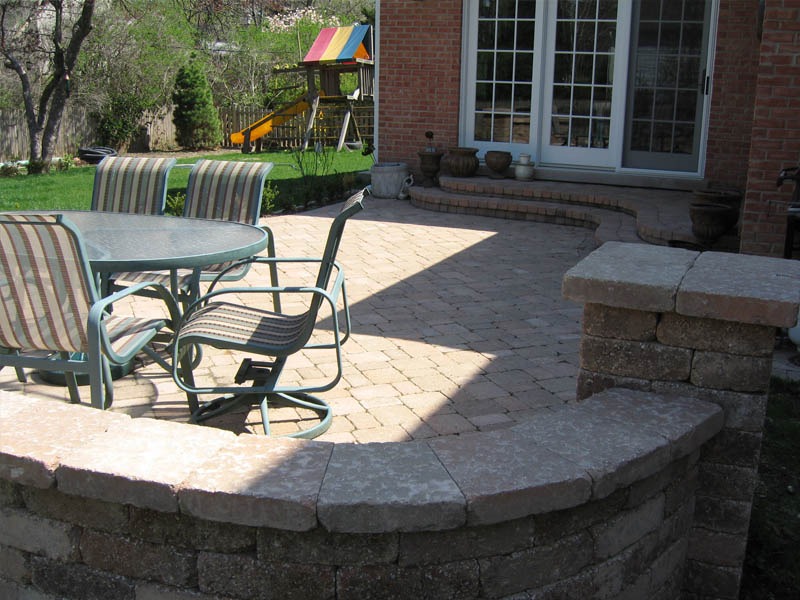
- Raised patio sections
- Outdoor kitchen areas
- Grill enclosures
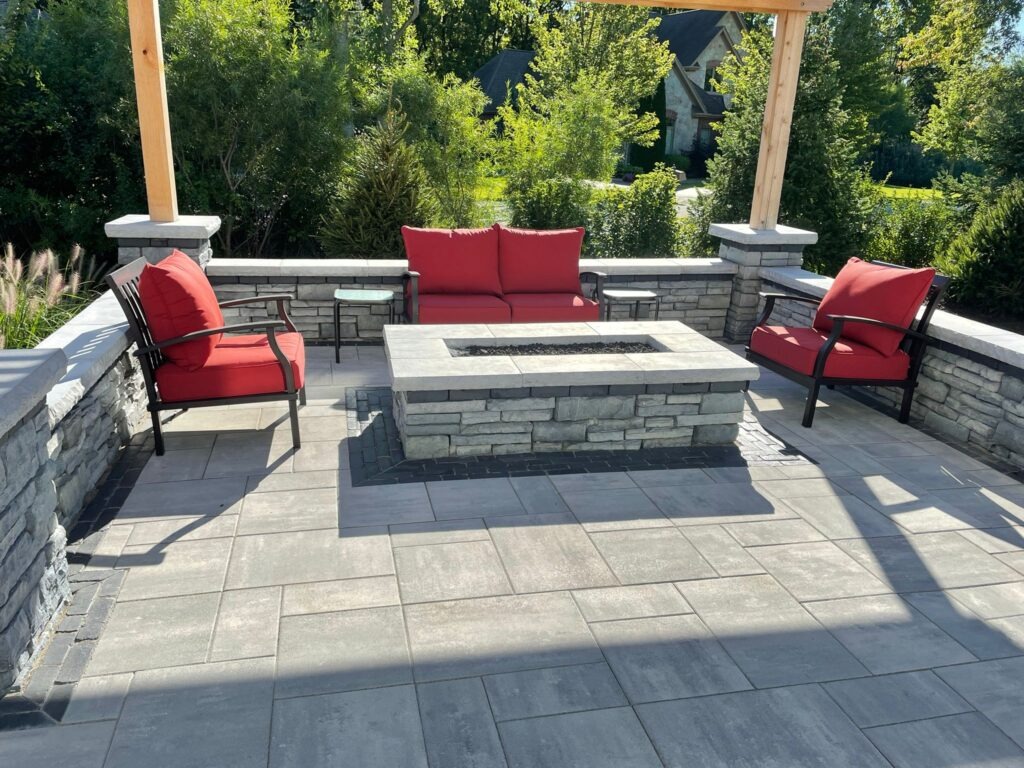
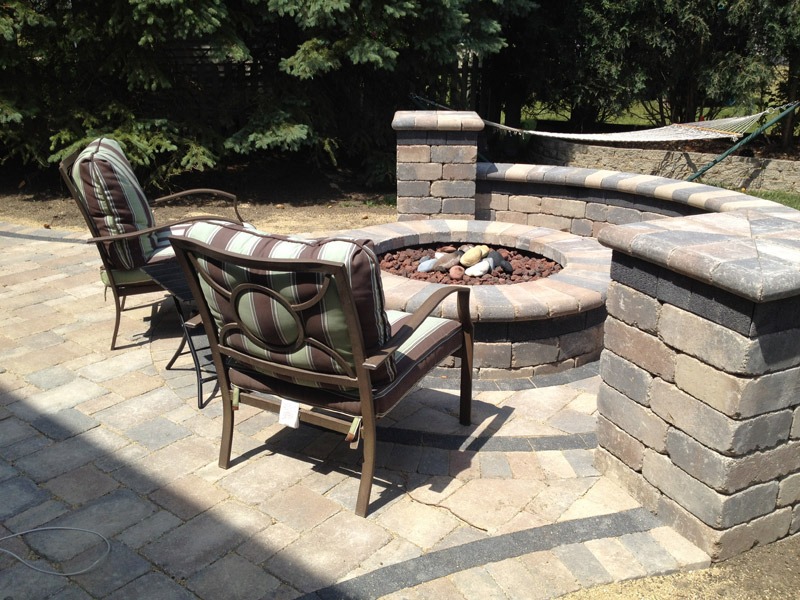
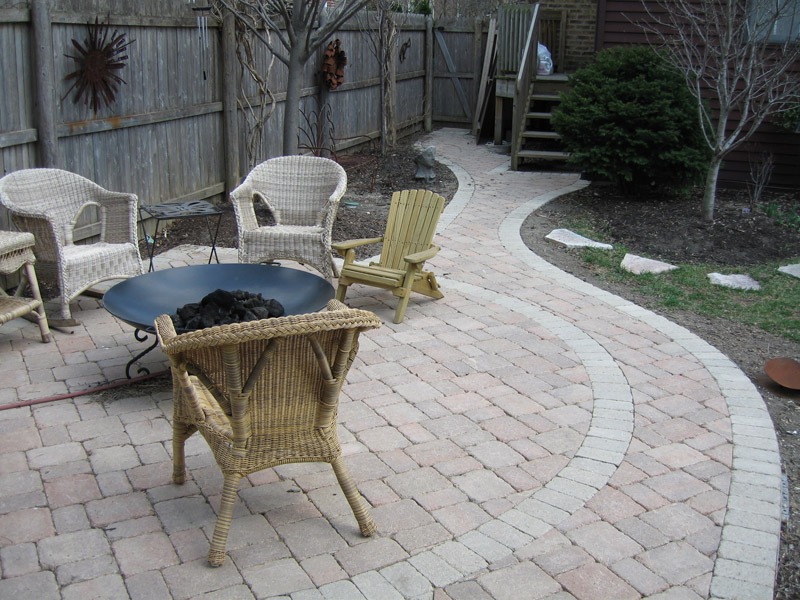
- Fire pits
- Walkway connections
- Stoops and steps
- Cleaning and sealing
The layout shouldn’t force a template into the yard. It should match the grade, house elevation, door location, sunlight, privacy, drainage, and how the family actually uses the space.
The Patio Base Carries the Project
Pavers are the finish layer. The base does the hard work.
A patio base has to carry foot traffic, furniture, grill loads, fire features, seasonal ground movement, and water pressure underneath the surface. If the base runs thin, uneven, or poorly compacted, the finished patio can still look good on installation day and start failing within a few winters.
The build needs to cover proper excavation depth, removal of weak organic material, clay subgrade review, compaction before base placement, aggregate base installation, layered compaction, bedding sand control, edge restraint, consistent surface pitch, clean paver cuts at borders and steps, and final joint stabilization.
The difference shows up after storms. A patio with the right pitch drains clean. A patio with poor grading holds water, stains joints, weakens the base, and adds freeze-thaw stress with every cycle.
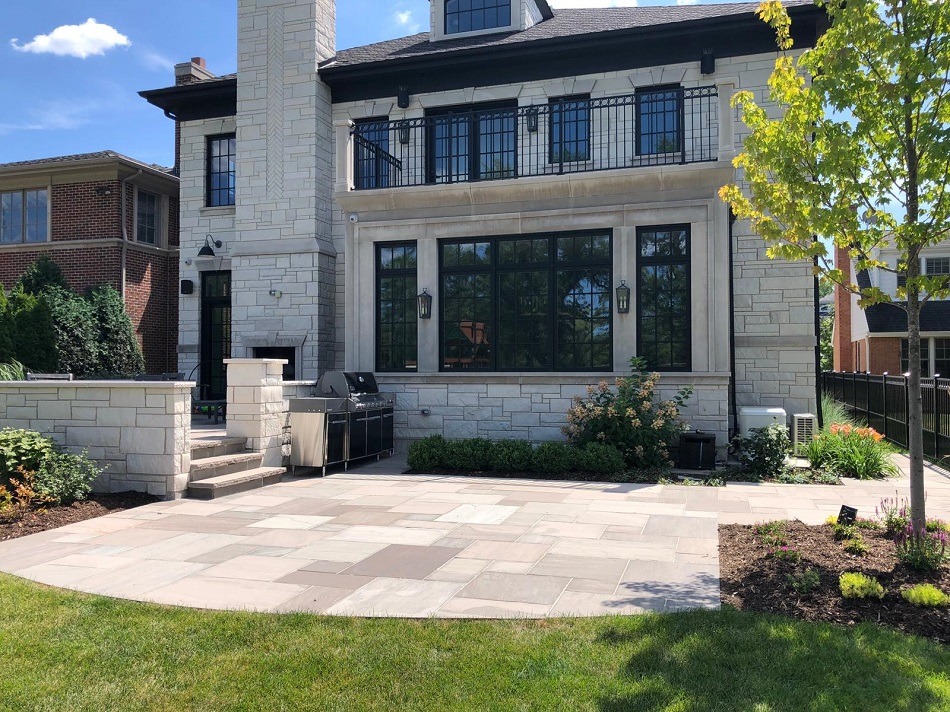
The Patio Base Carries the Project
Pavers are the finish layer. The base does the hard work.
A patio base has to carry foot traffic, furniture, grill loads, fire features, seasonal ground movement, and water pressure underneath the surface. If the base runs thin, uneven, or poorly compacted, the finished patio can still look good on installation day and start failing within a few winters.
The build needs to cover proper excavation depth, removal of weak organic material, clay subgrade review, compaction before base placement, aggregate base installation, layered compaction, bedding sand control, edge restraint, consistent surface pitch, clean paver cuts at borders and steps, and final joint stabilization.
The difference shows up after storms. A patio with the right pitch drains clean. A patio with poor grading holds water, stains joints, weakens the base, and adds freeze-thaw stress with every cycle.
Raised Patios, Steps, and the Waterproofing Blind Spot
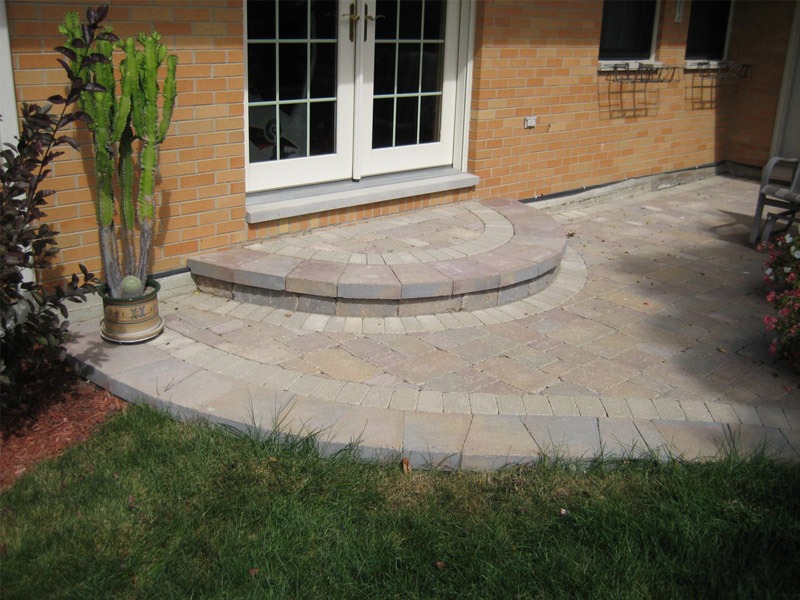
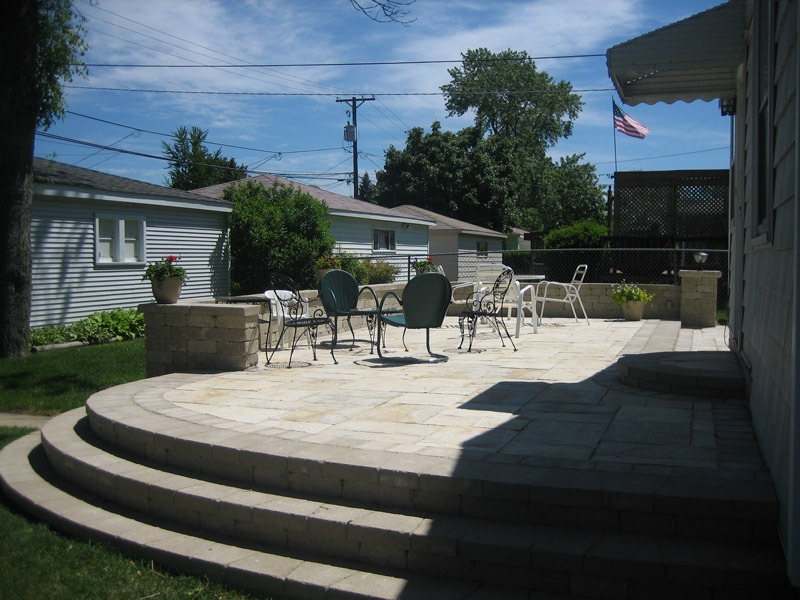
Raised patios and step transitions need extra care because they create vertical contact points where water can get behind the structure.
A documented $27,000 failure ties directly to a raised patio and paver steps. Years after installation, moisture got behind the steps because the wall junction lacked an impermeable membrane and flashing. Freeze-thaw movement damaged the brick wall, and repairs ran an estimated $27,000.
That kind of failure has nothing to do with surface appearance. It’s about water movement behind the finished face, where nobody’s looking until something cracks.
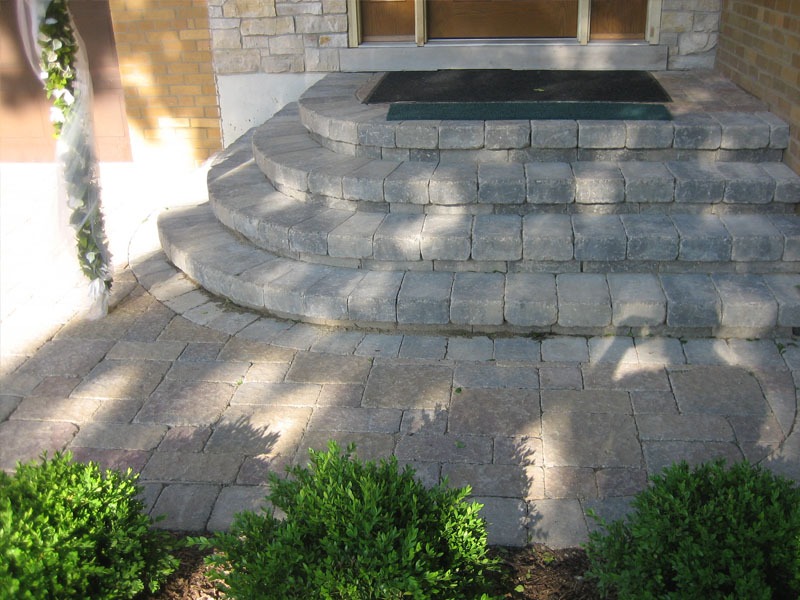
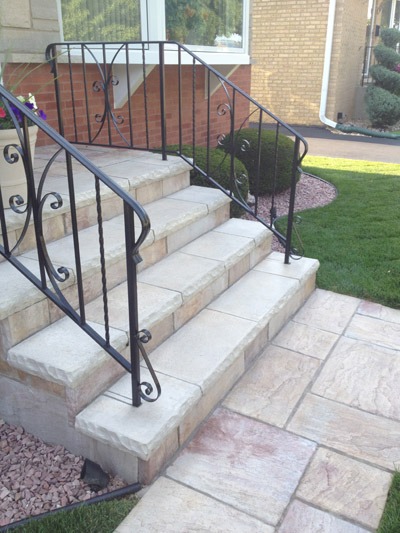
At steps, stoops, raised patios, and wall junctions, the plan should review flashing, impermeable membrane placement, cap slope, backfill condition, drainage path, wall contact points, step geometry, and foundation clearance.
A five-year labor warranty has value, but water intrusion can take longer than five years to show itself. A patio should be detailed for the life of the structure, not just the warranty period.
Patio Materials and Finish Options
A good patio material matches the architecture of the home and the load of the space.
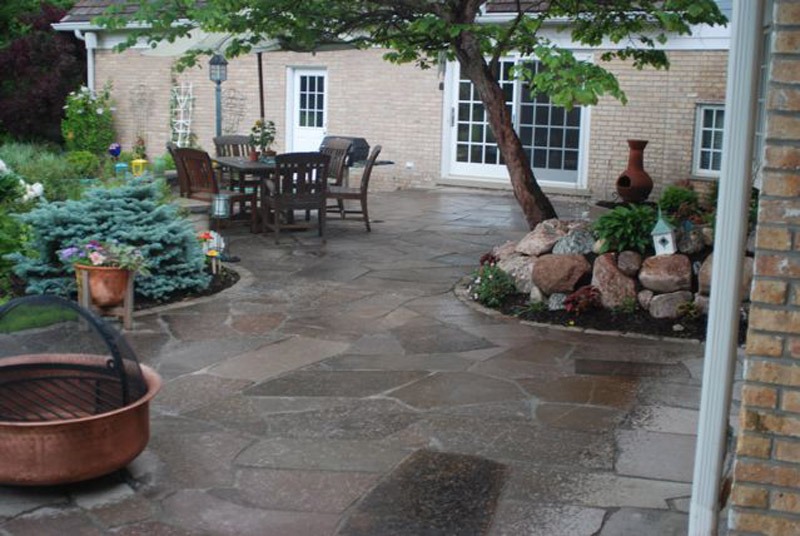
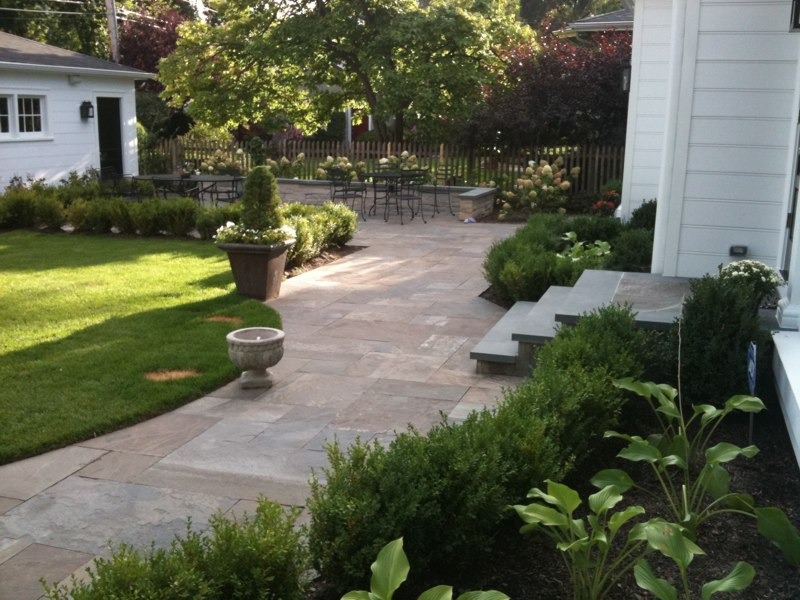
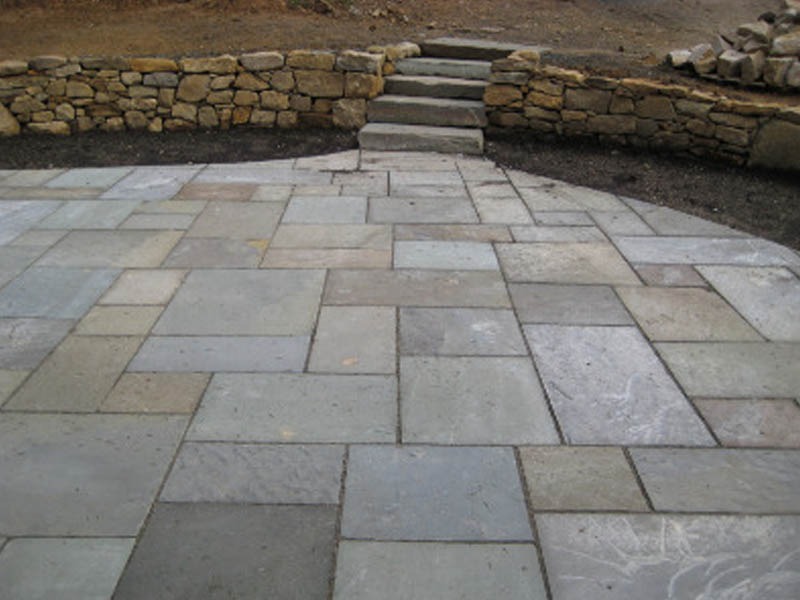
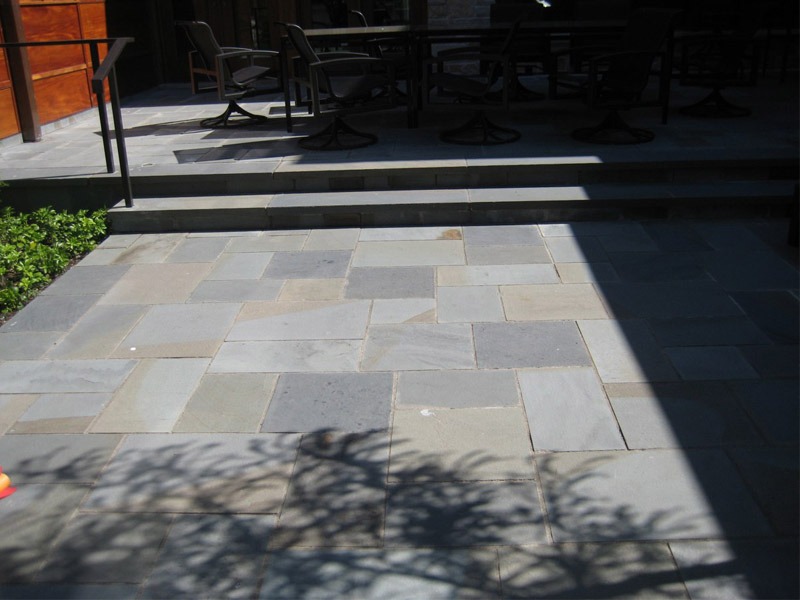
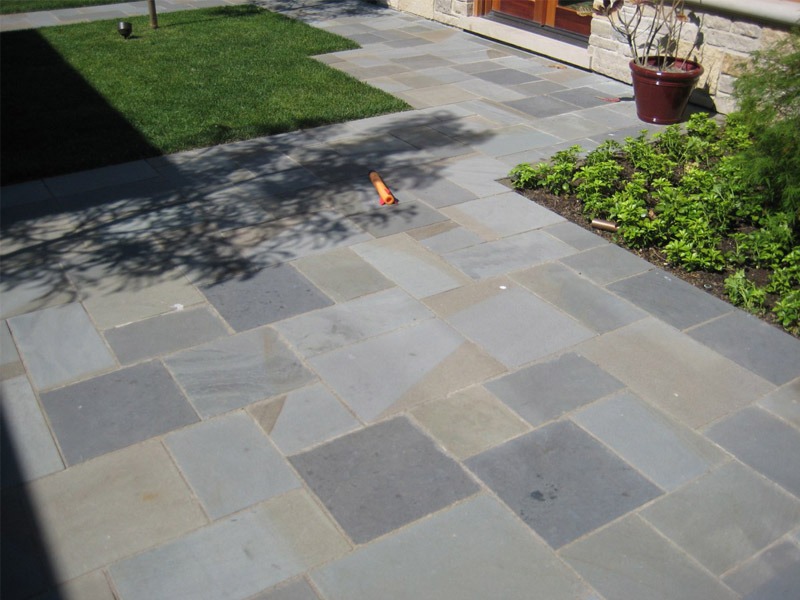
3D Brick Paving’s project blog shows repeated use of Unilock paver systems, natural stone walls, Eden Natural Stone veneers, Indiana Limestone caps, Brussels Sandstone borders, Beacon Hill Flagstone pavers, Mattoni Charcoal accents, and U-Cara wall systems.
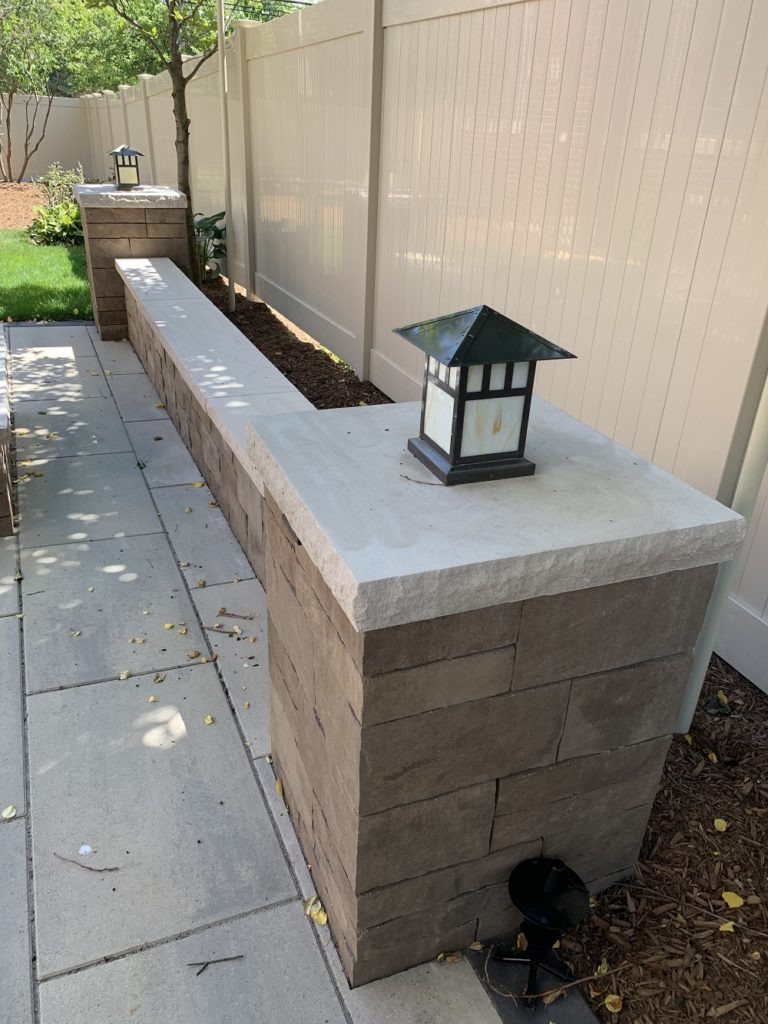
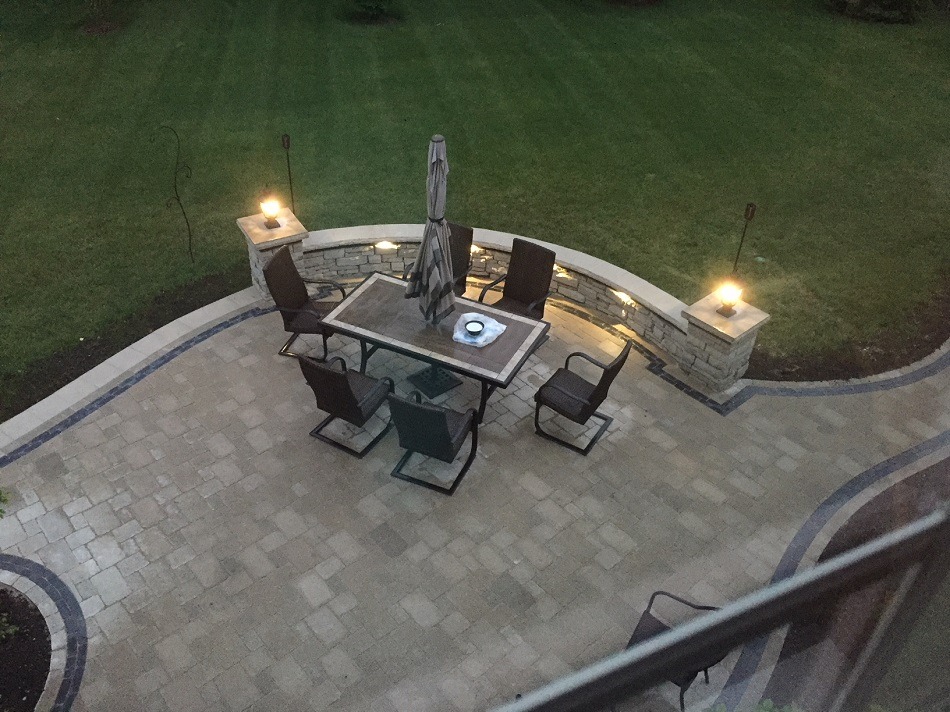
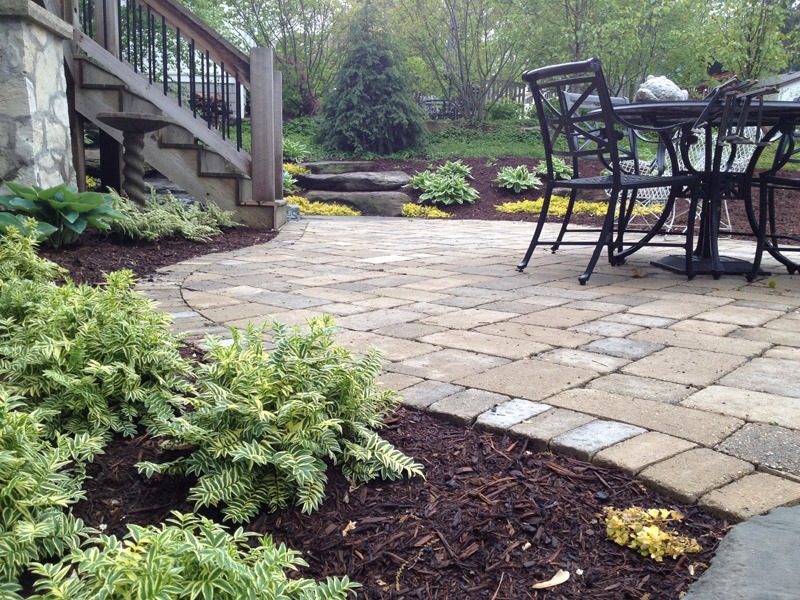
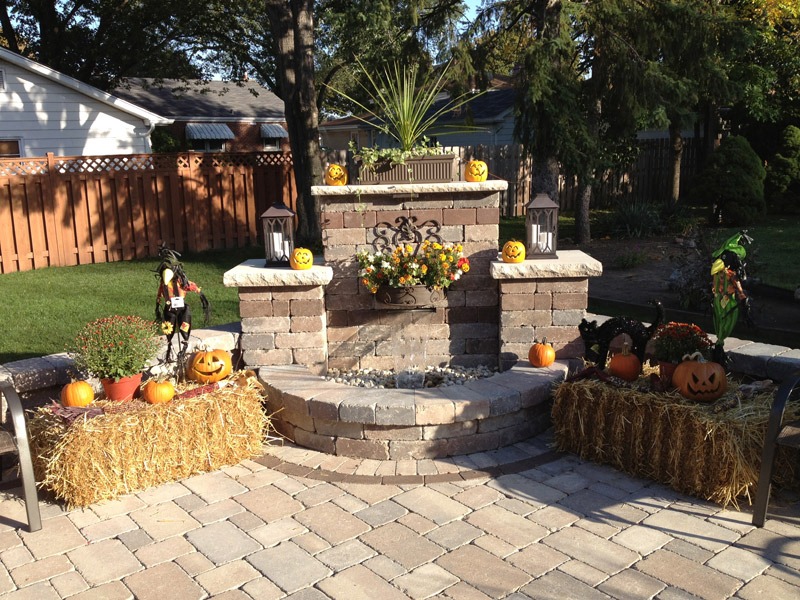
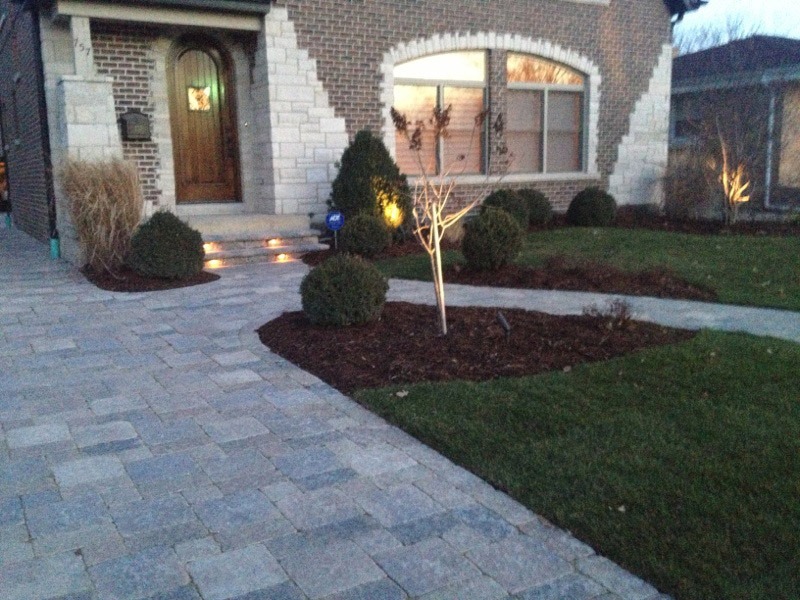
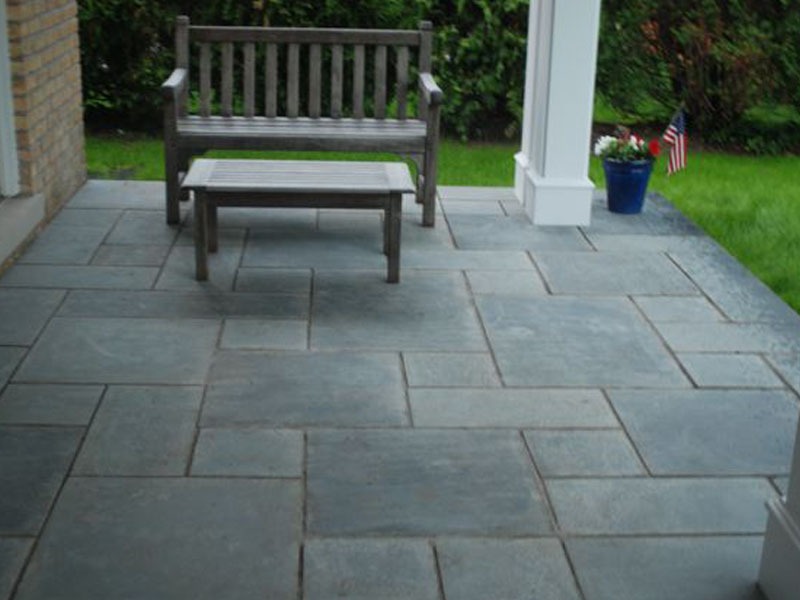
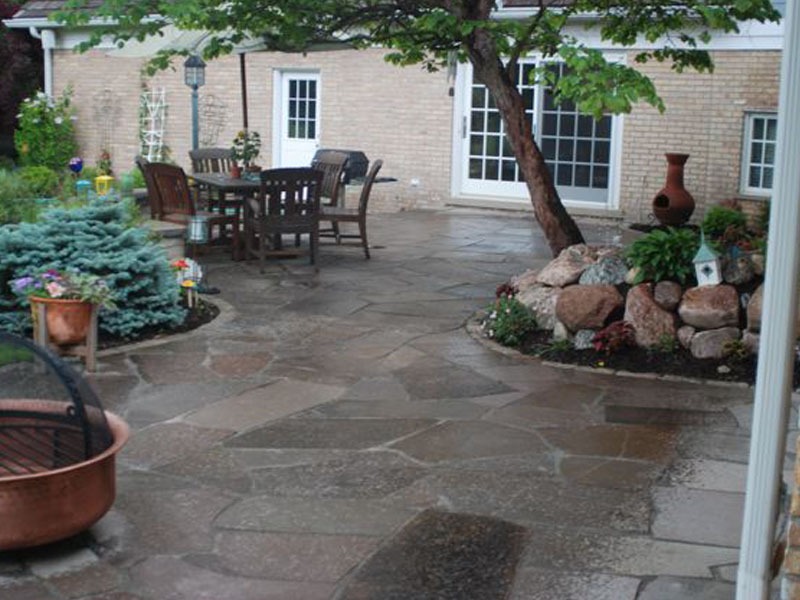
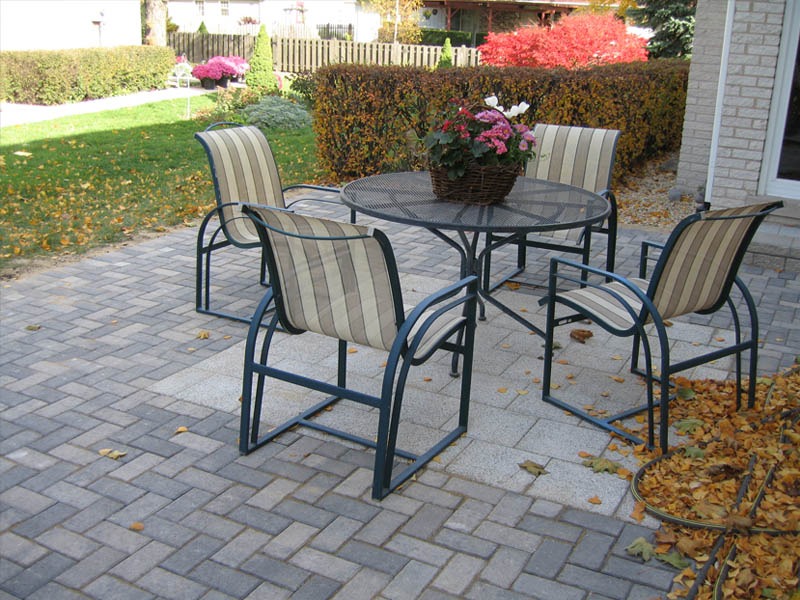
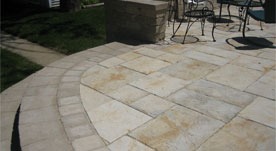
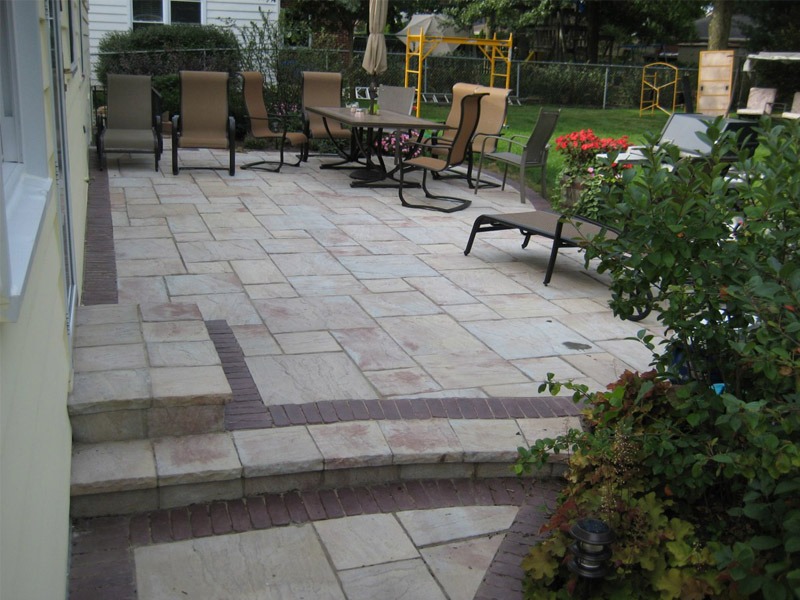
Popular design choices include textured pavers for a natural stone look, contrasting borders for stronger visual lines, large-format pavers for cleaner modern layouts, natural stone caps for walls and pillars, seat walls around fire pit zones, raised patio edges where grade changes, charcoal borders for definition, and light paver fields for softer backyard spaces.
The material should support the house style. A Des Plaines bungalow, a northwest suburban split-level, and a larger North Shore property shouldn’t end up with the same patio layout just because they’re all “patios.”
Project Blog Proof
The project blog gives real numbers on scope, price, material, and build time.
| Project | Scope | Materials | Duration | Cost |
|---|---|---|---|---|
| Long Grove patio, stoop, and steps | Patio with stoop and step work | Unilock Beacon Hill Flagstone Bavarian Blend, Brussels Sandstone border | 4 days | $25,000 |
| Elmhurst outdoor living | Patio, grill enclosure, outdoor kitchen, natural stone, fire pit | Natural stone elements | 8 days | $45,000 |
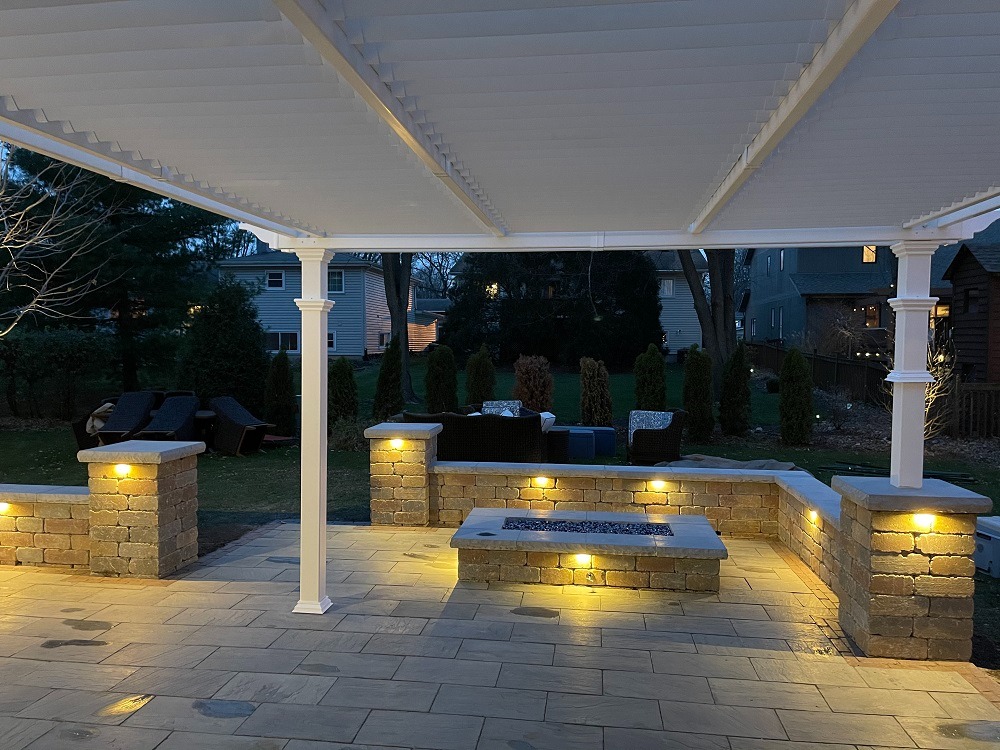
| Northbrook outdoor living | Patio with walls and pavilion | Unilock Beacon Hill Flagstone Alpine Grey, Beacon Hill 7×15 Charcoal border, U-Cara walls, StruXure pavilion | 20 days | $100,000 |
These three jobs show the range clearly. A patio can be a focused four-day installation, or it can grow into a full outdoor living build with walls, fire features, kitchen space, and shade structure coordination.
The project blog gives real numbers on scope, price, material, and build time.
Project Scope Materials Duration Cost |
Project Scope Materials Duration Cost |
Project Scope Materials Duration Cost |
These three jobs show the range clearly. A patio can be a focused four-day installation, or it can grow into a full outdoor living build with walls, fire features, kitchen space, and shade structure coordination.
Patio Add-Ons That Need Structural Planning
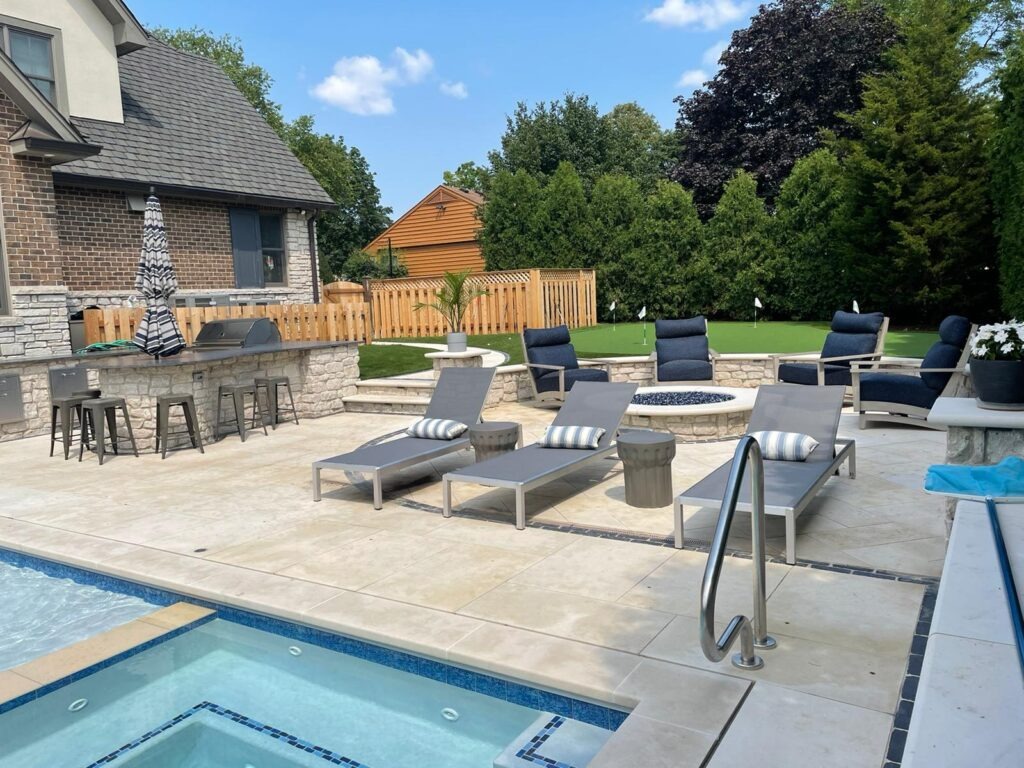
Fire pits, grill enclosures, outdoor kitchens, and seat walls make a patio more useful, but each one adds load and detailing requirements the base patio design doesn’t have.
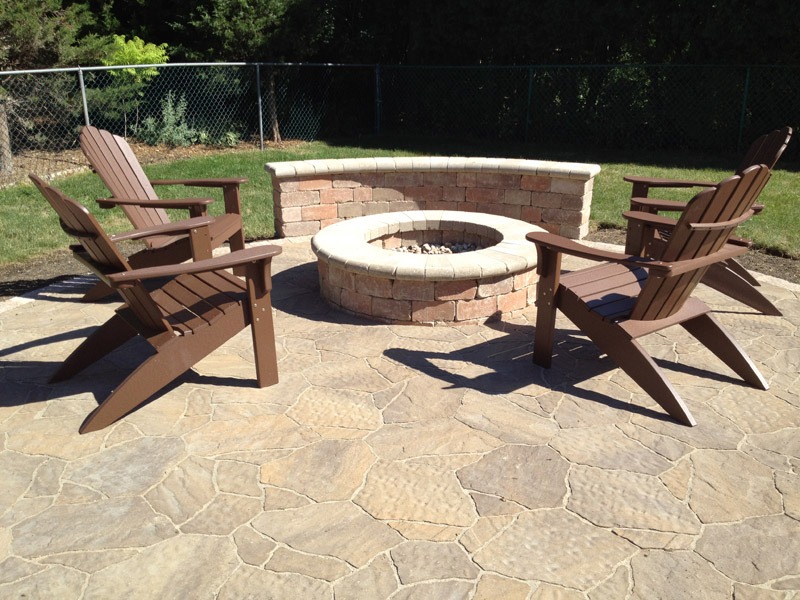
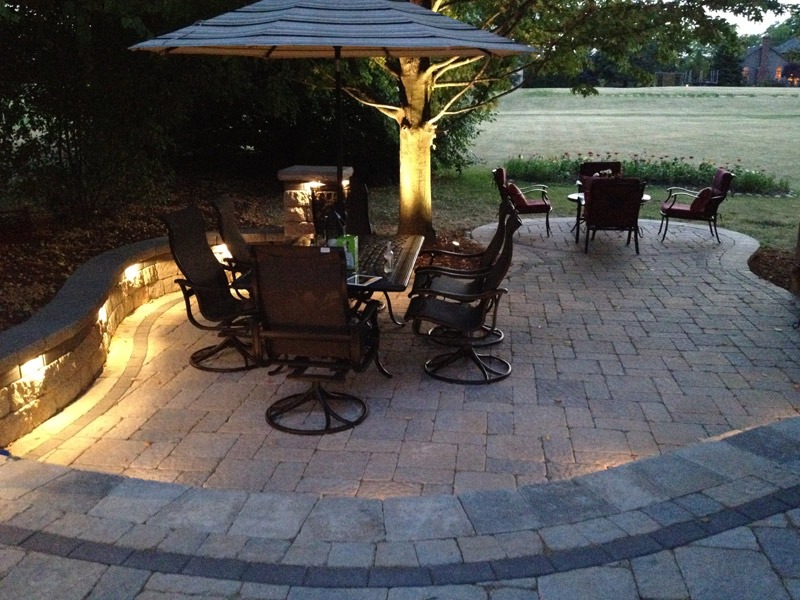
A fire pit needs safe seating distance, heat-rated materials, wind direction planning, and enough circulation space around the feature. A grill enclosure needs working clearance, landing space, wall support, and safe separation from doors, windows, siding, and furniture zones. An outdoor kitchen needs a layout that respects movement, utilities, drainage, and long-term service access. A seat wall needs proper base support, cap detailing, and a layout that doesn’t trap water behind the wall.
The best patio plan treats these features as part of the structure from day one, not as accessories bolted on after the pavers get picked.
Efficient Installation Without Destroying the Yard
Field foremen including Ricardo and Javier have drawn customer praise for efficient patio work, careful yard protection, and mid-sized patio turnarounds around three days when access, weather, material staging, and scope cooperate.
That speed only holds up when the job runs in the right order: site protection, demolition or excavation, haul-off, subgrade preparation, base installation, compaction, bedding layer, paver placement, cuts and borders, edge restraint, joint material, cleanup, and final review.
Rushing the visible pavers while skipping base discipline is exactly how patios fail two winters later. Efficient work still has to move through the same sequence, just without wasted motion between steps.
Patio Restoration and Expansion
Not every patio needs a full replacement.
Some projects need cleaning and sealing. Others need lifting, leveling, border repair, joint replacement, or expansion into a larger outdoor living area. 3D Brick Paving’s testimonial page includes a patio restoration and expansion review noting the project finished within three days while the crew worked to minimize yard damage from heavy machinery.
A restoration evaluation should check for sunken areas, open joints, loose border pavers, poor drainage, puddling, step separation, weed growth, base washout, surface stains, failed polymeric sand, and settled areas near the house.
If the base is still stable, repair may be enough. If the base has failed, replacement is the cleaner long-term answer, since patching a failed base just delays the same problem.
Frequently Asked Questions
Contact 3D Brick Paving Co.
We serve Des Plaines, Unincorporated Maine Township, and surrounding northern Chicago suburbs. Consultations include a site visit, fire clearance and setback review, drainage assessment, and a 3D design rendering at no charge.