

Custom Fire Pits and Outdoor Fireplaces in Des Plaines, IL
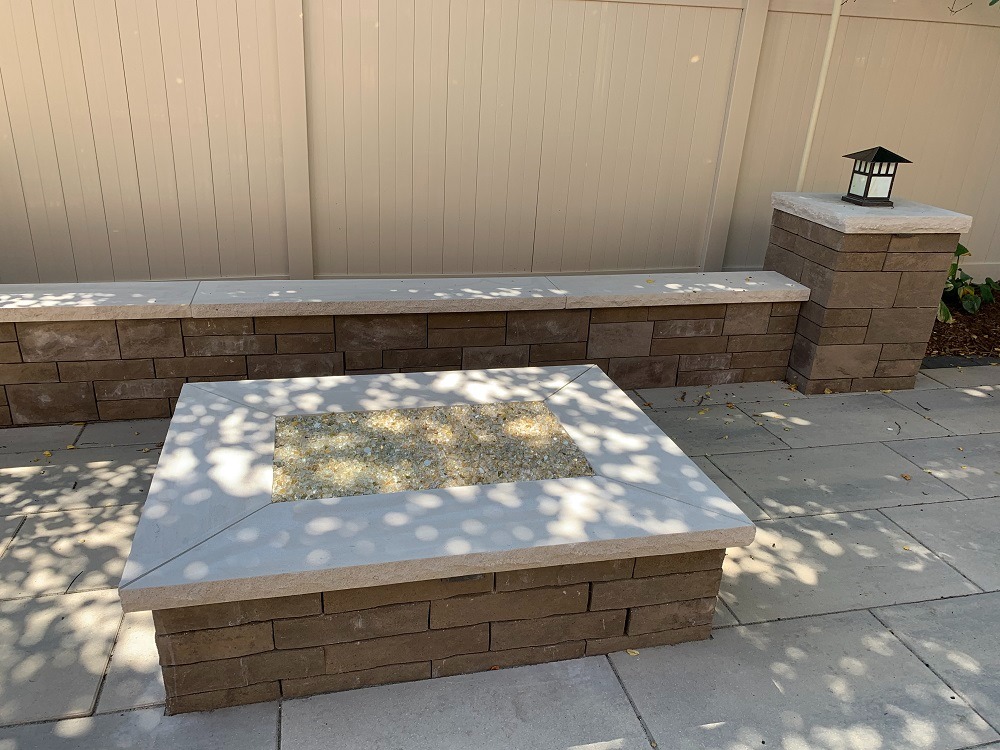
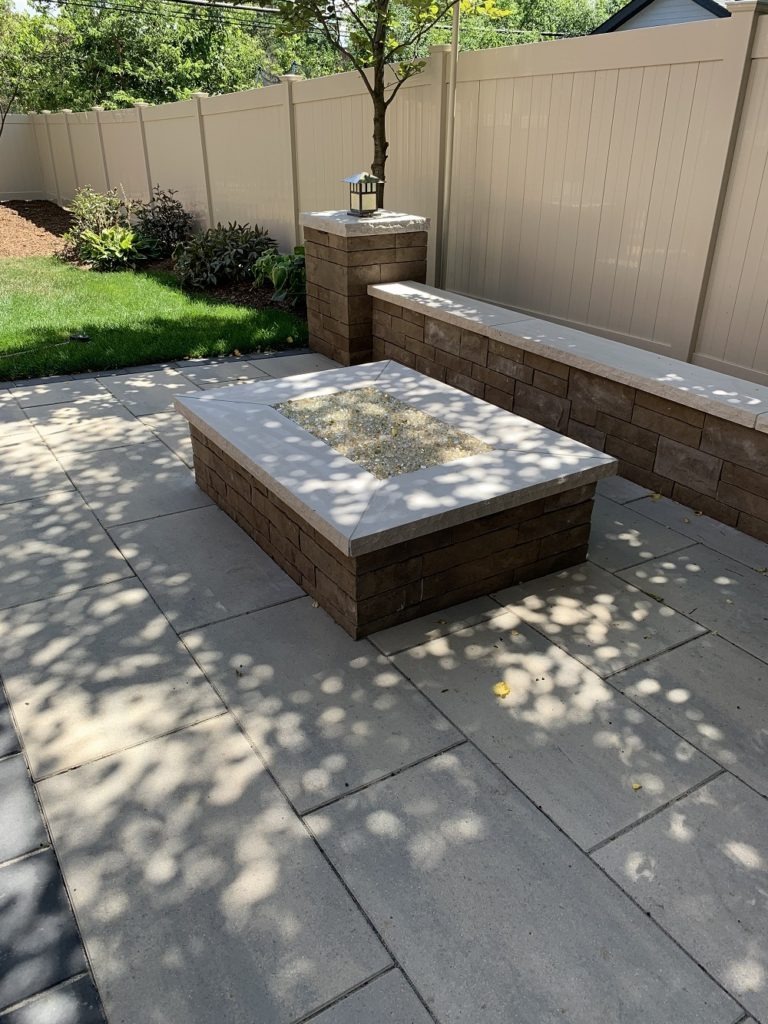
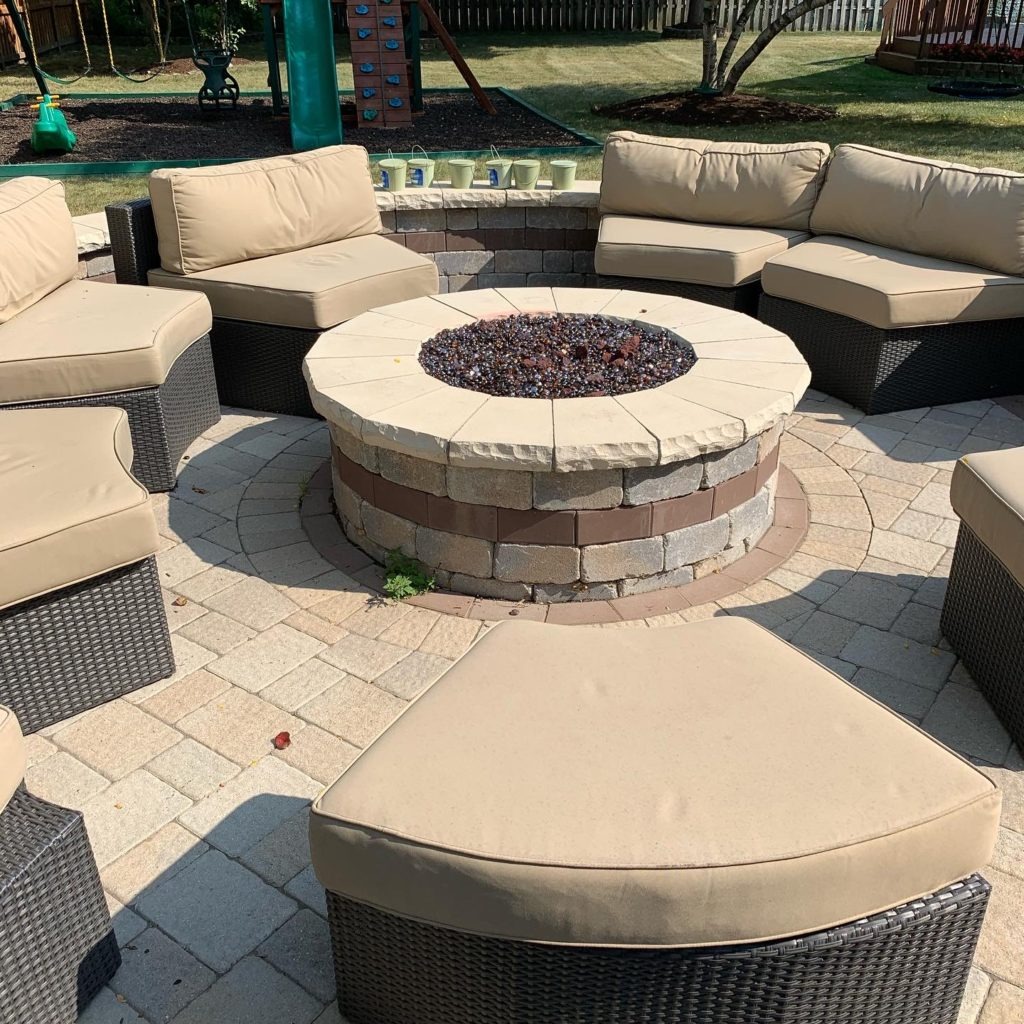
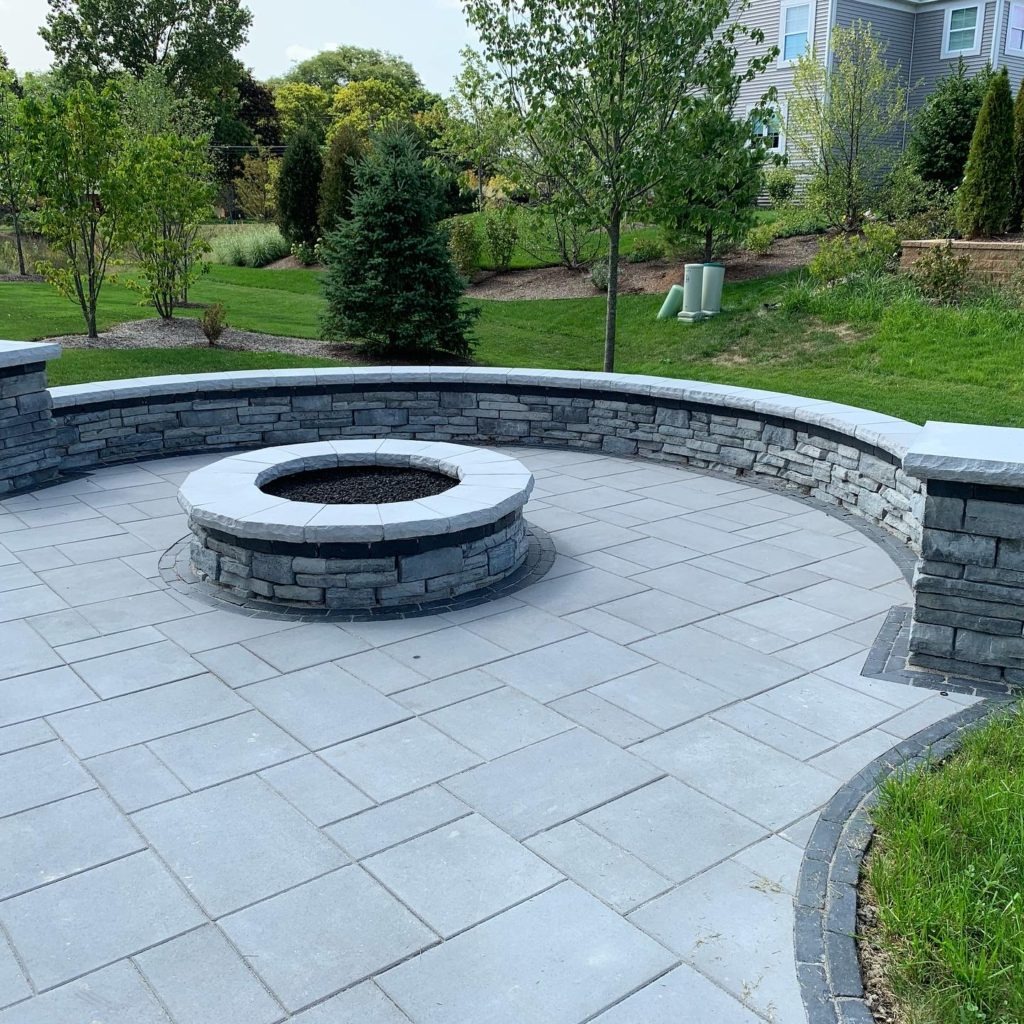
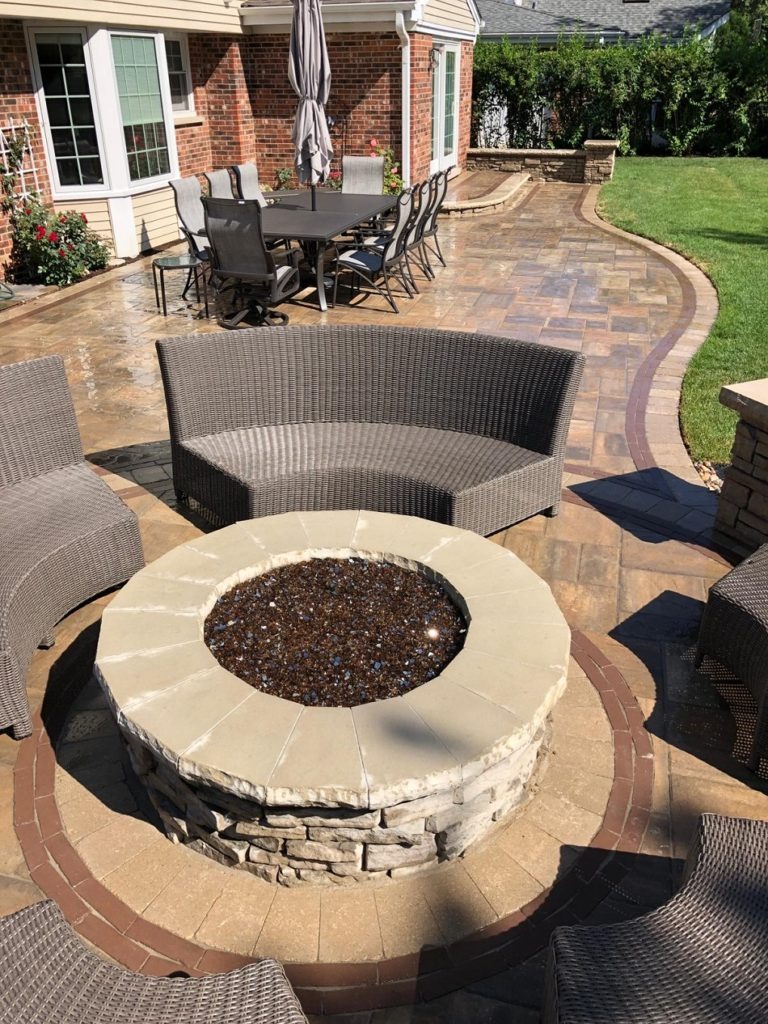
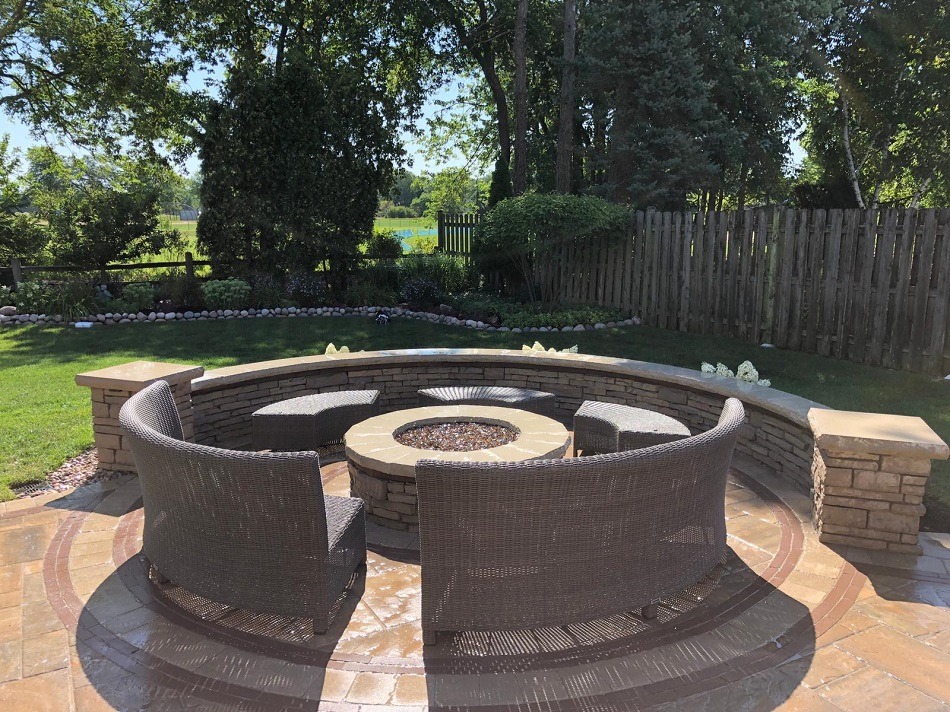
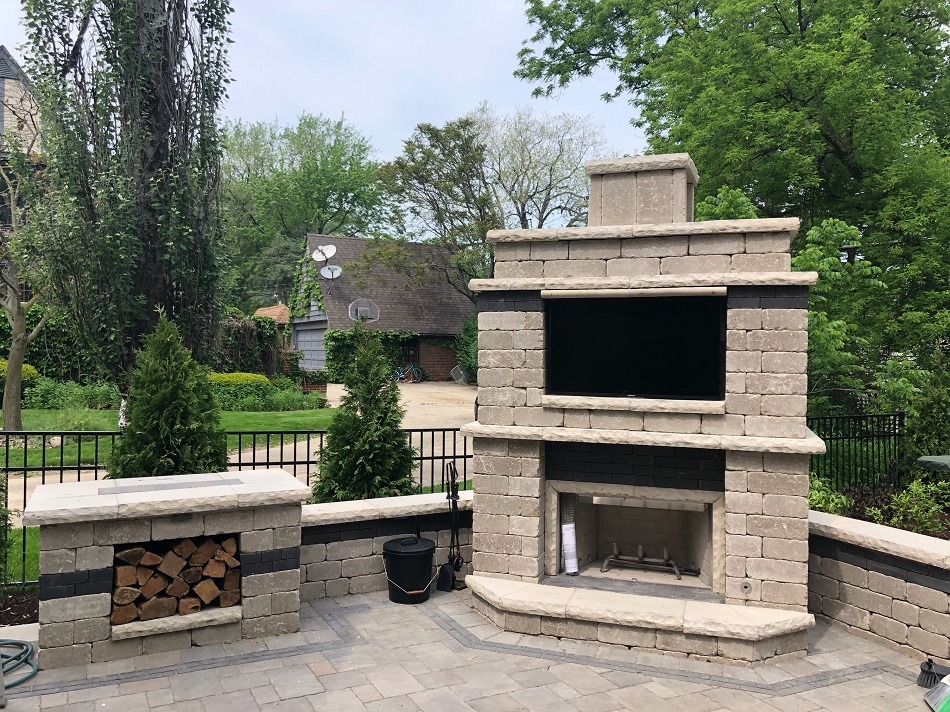
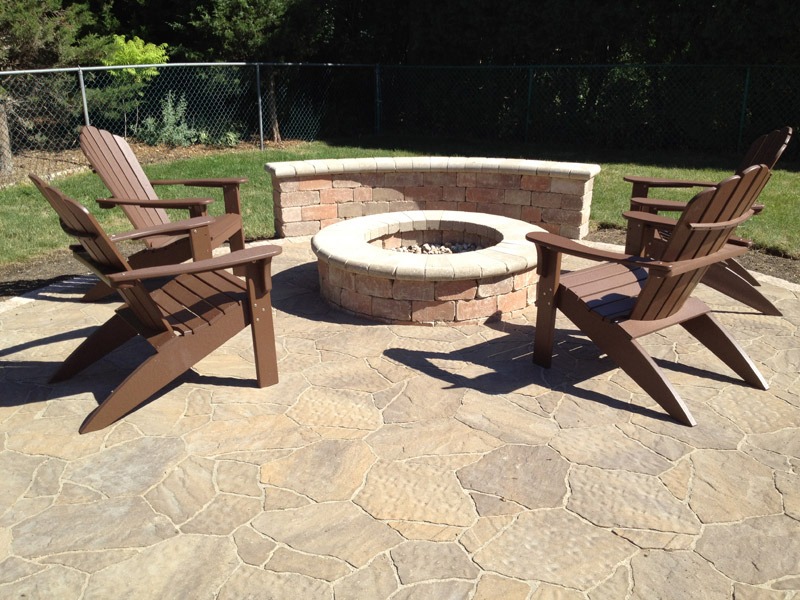
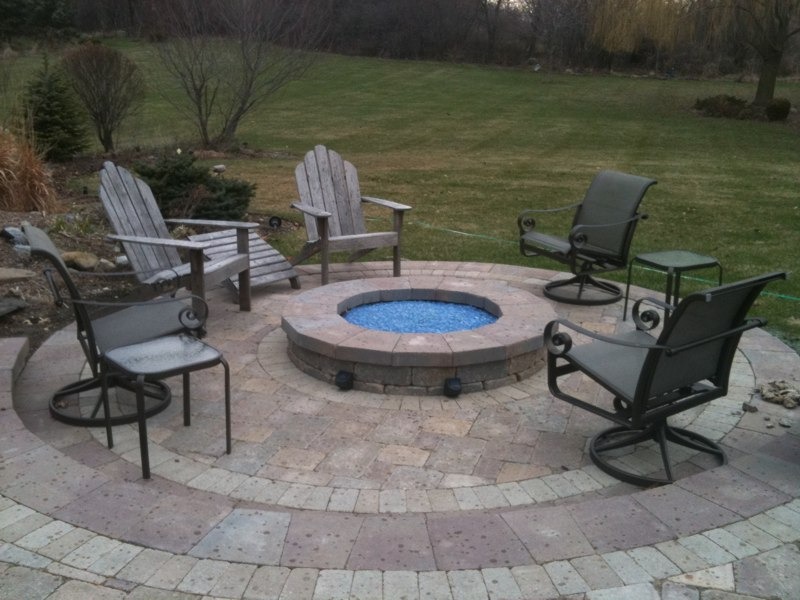
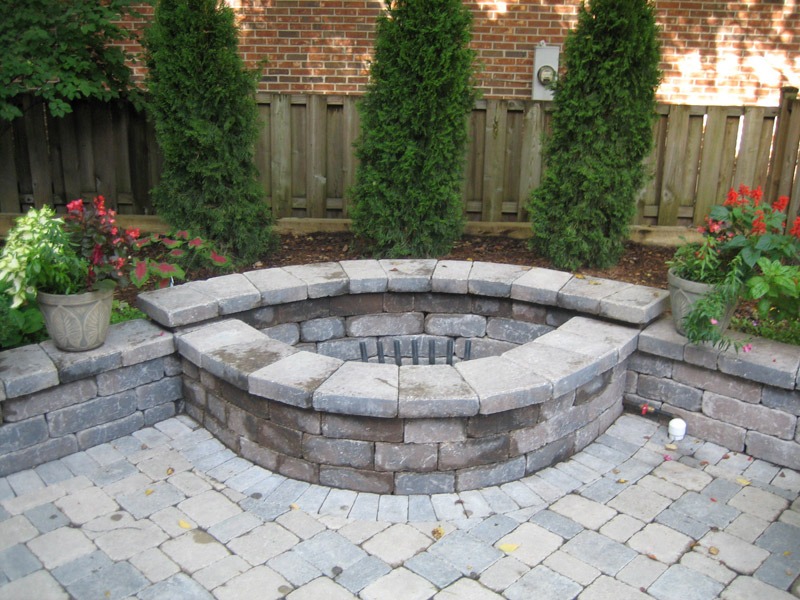
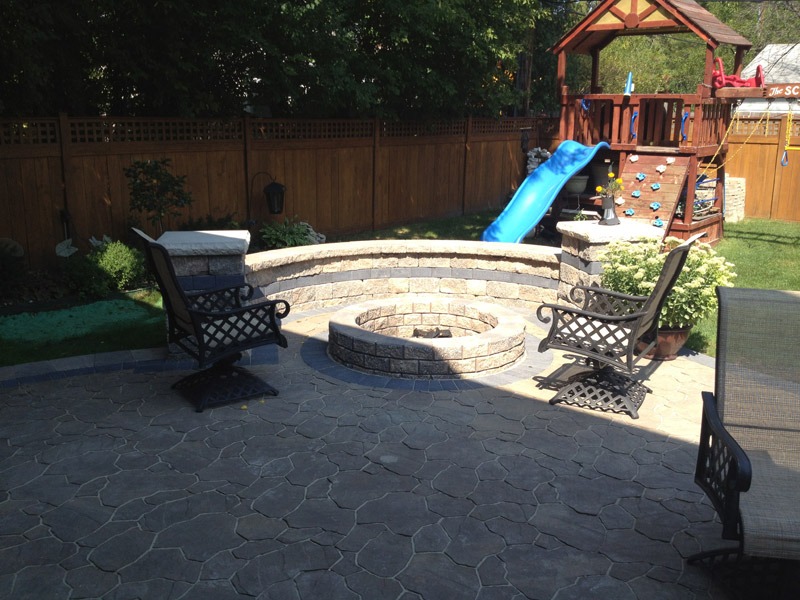
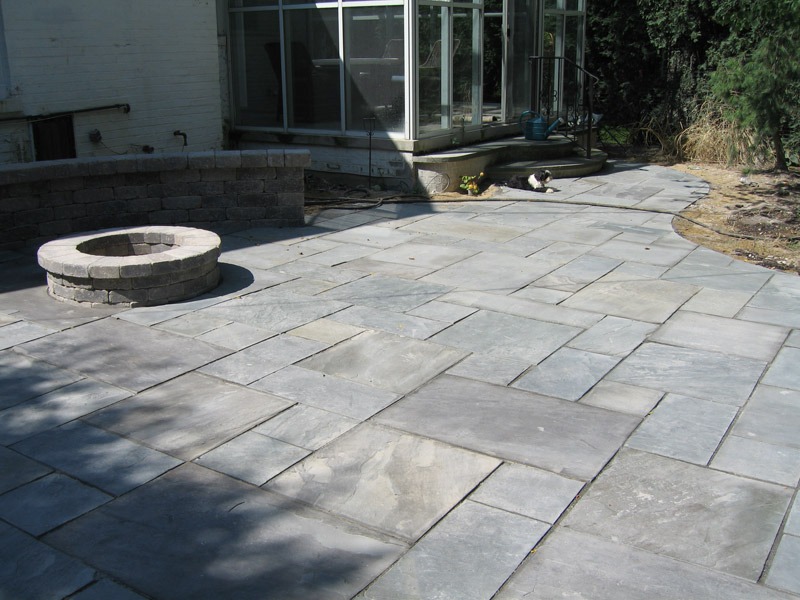
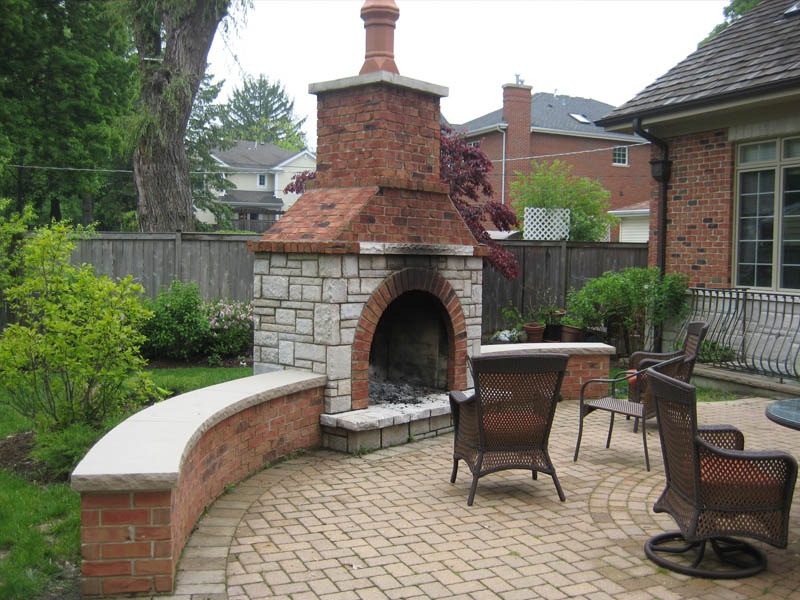
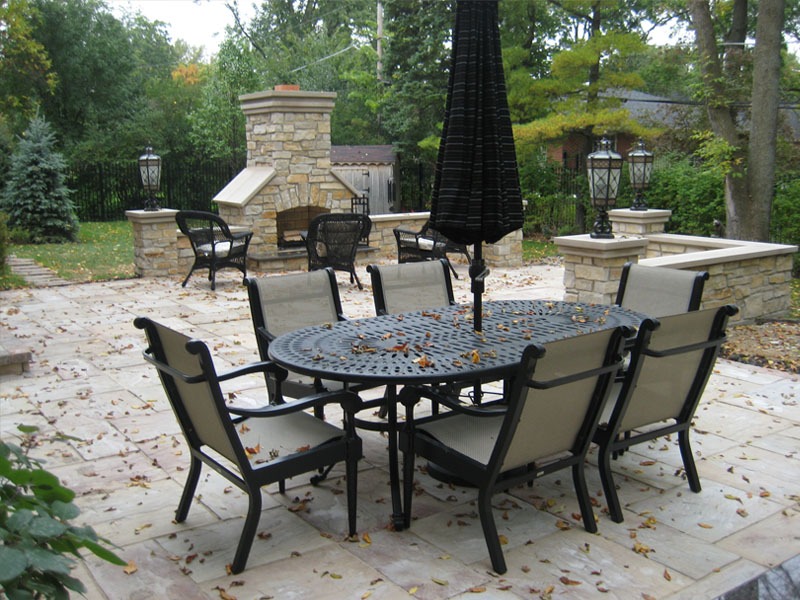
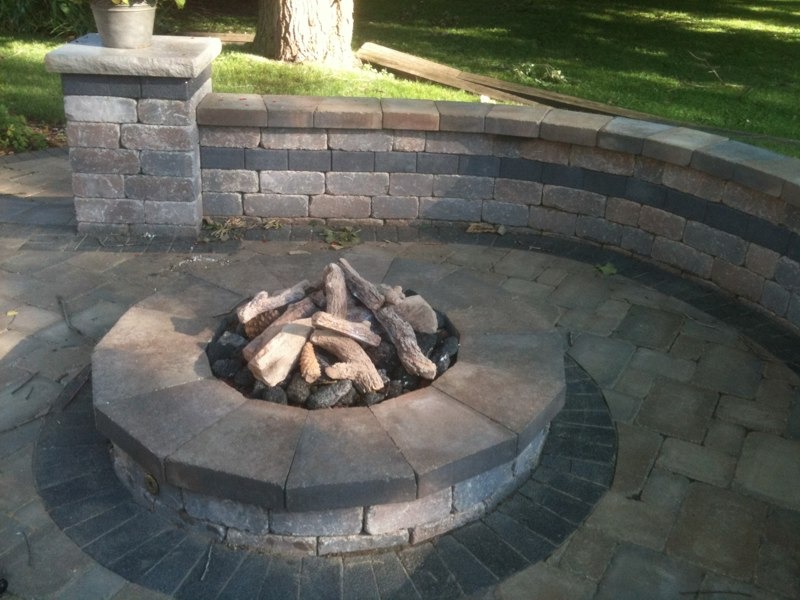
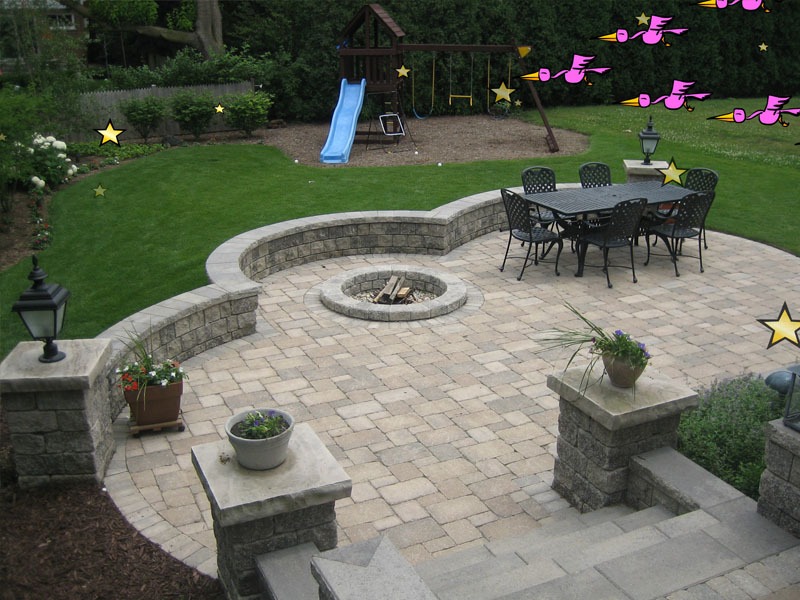
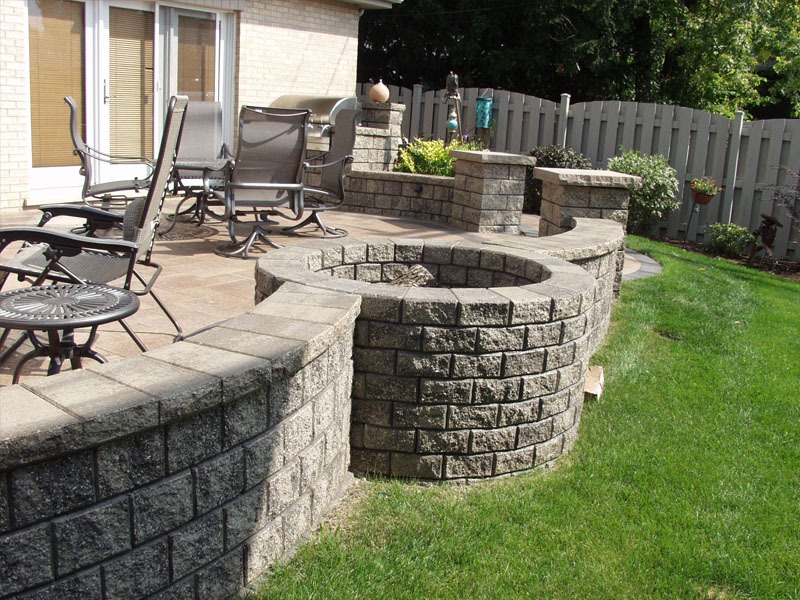
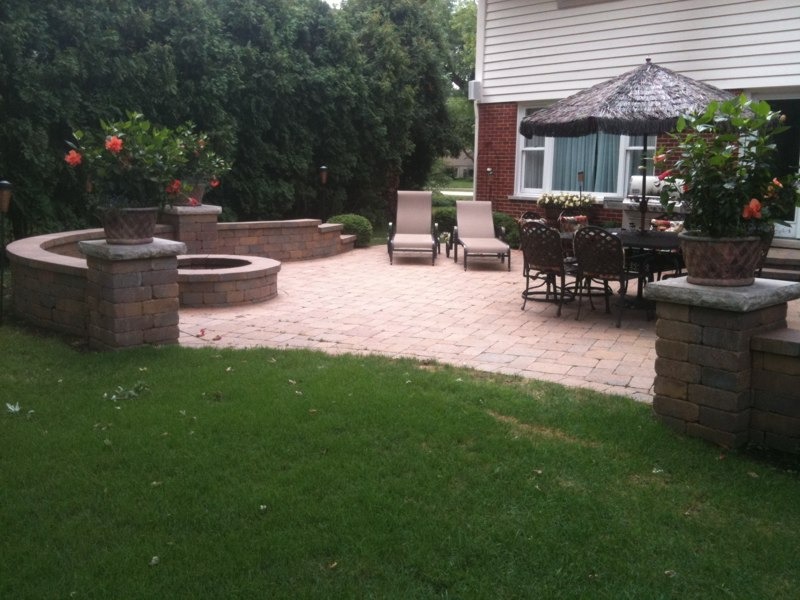
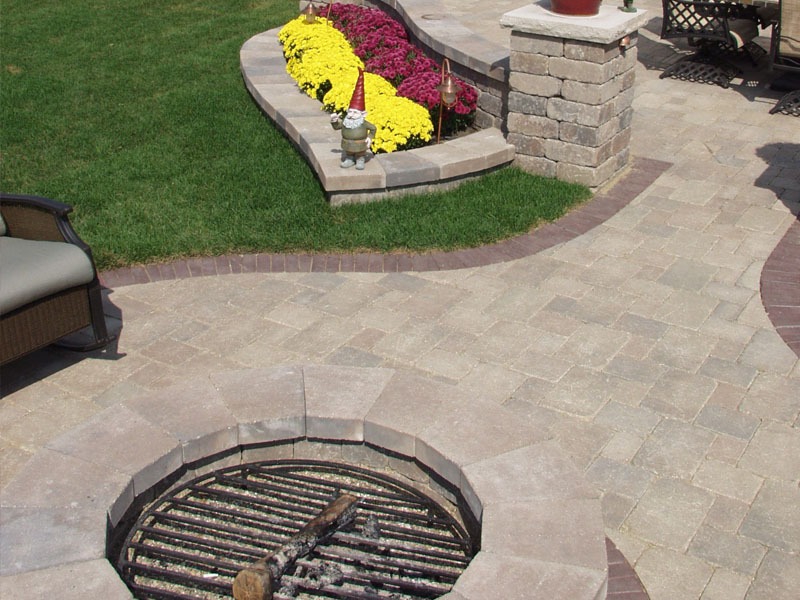
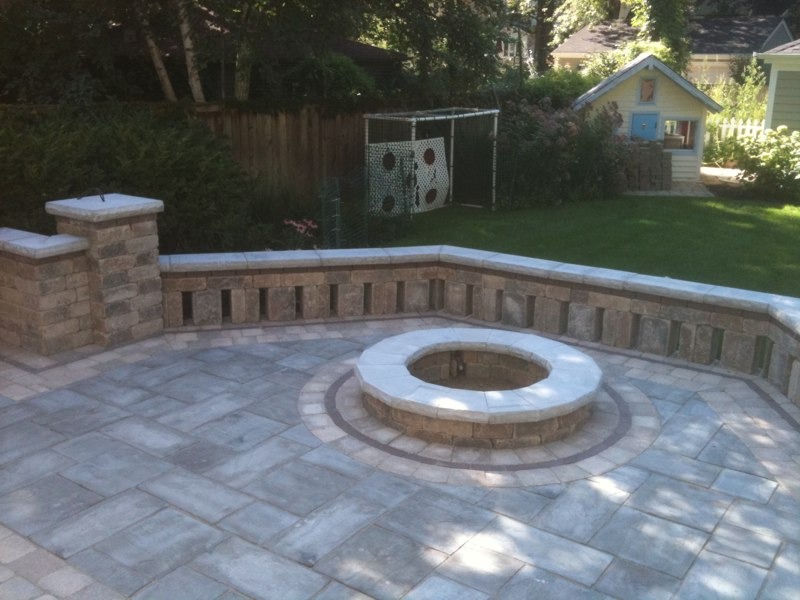
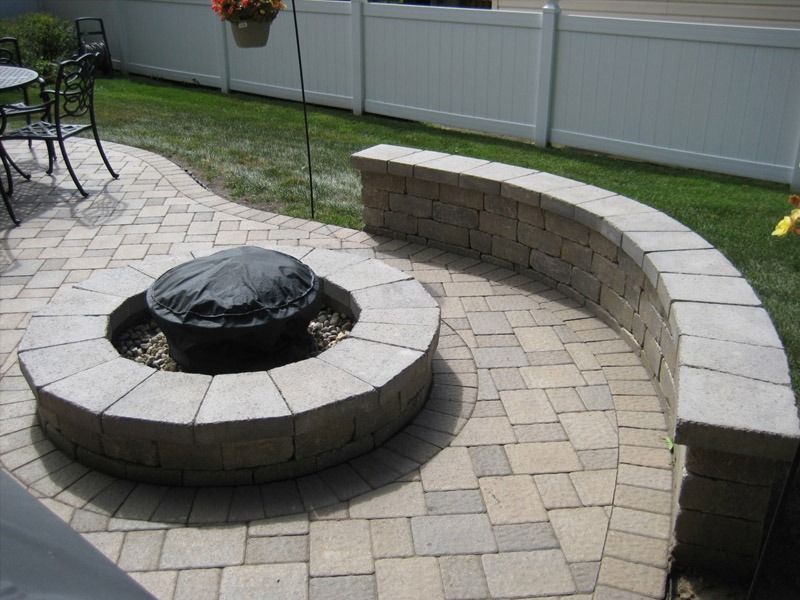
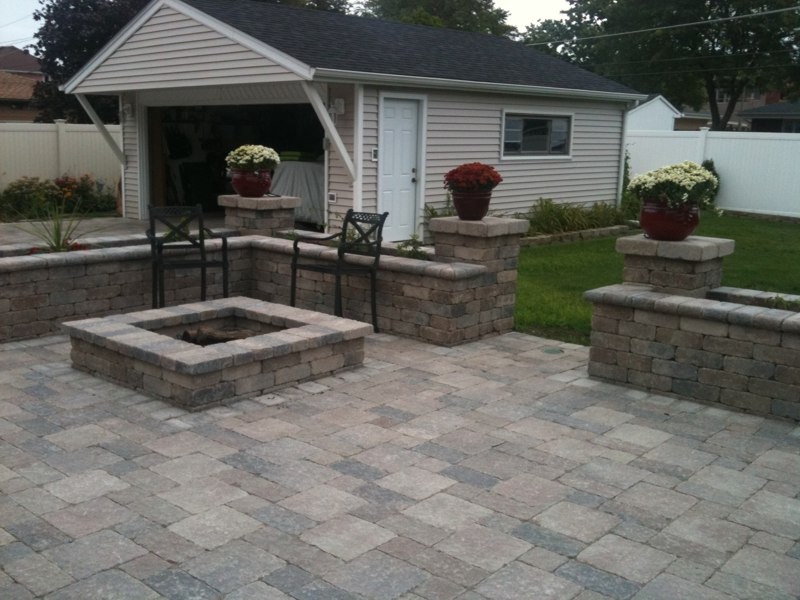
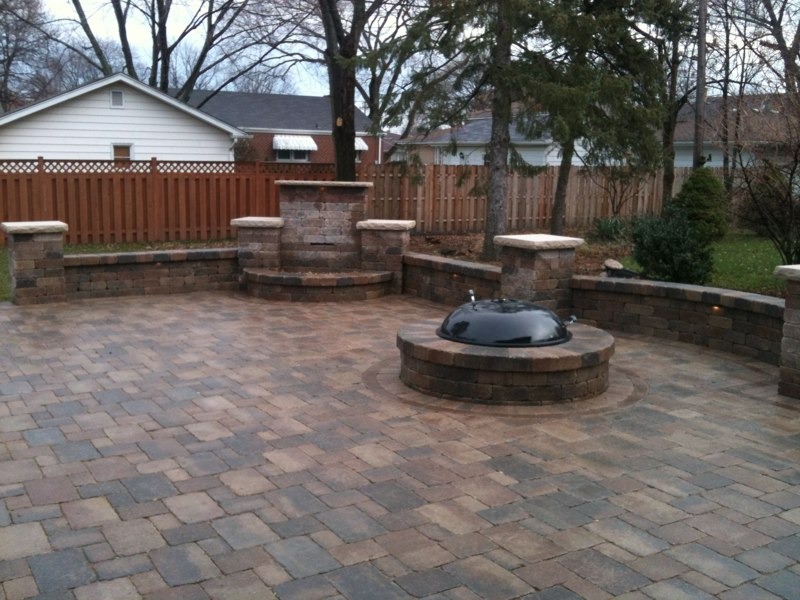
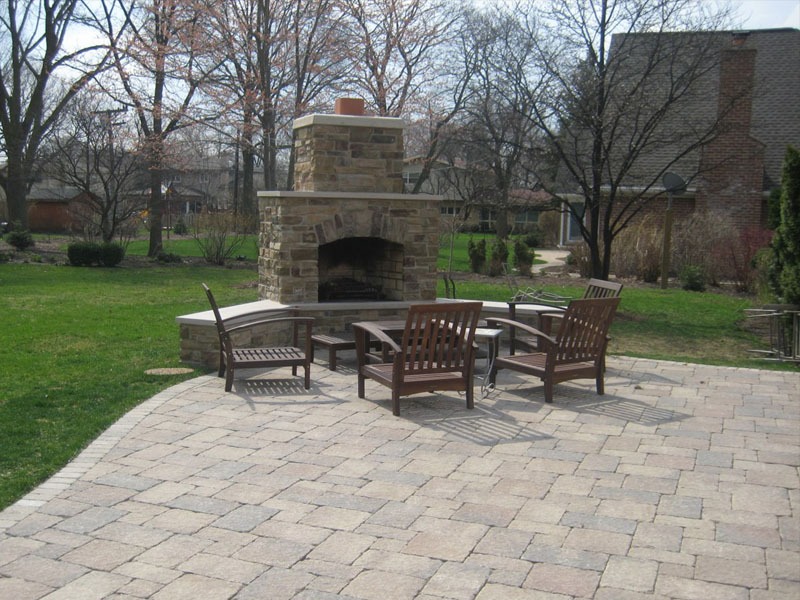
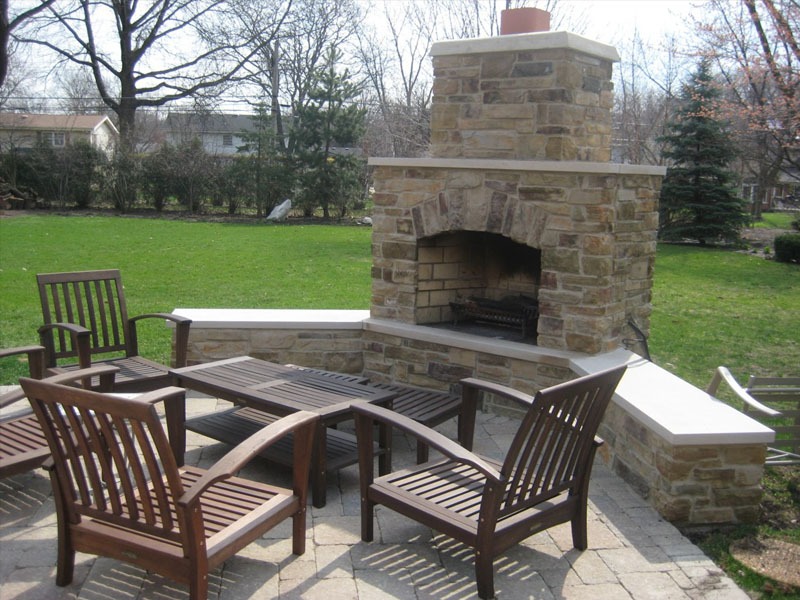
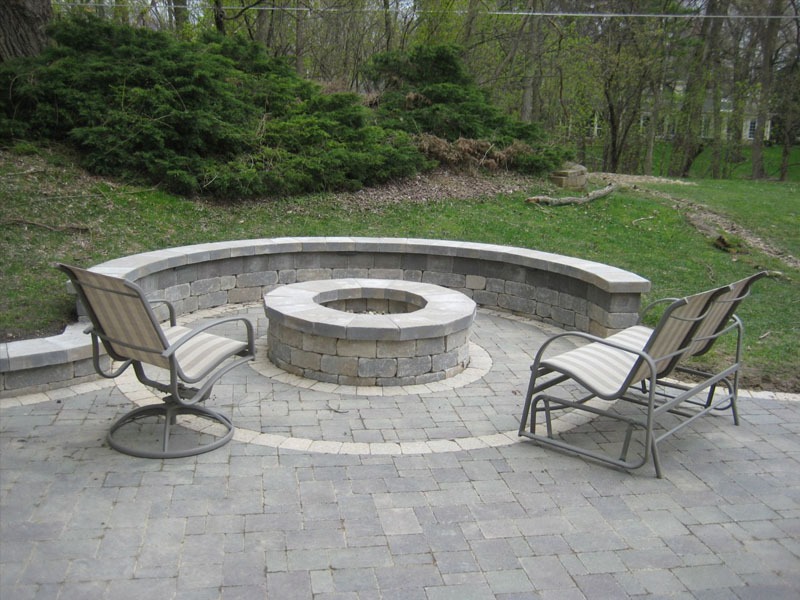
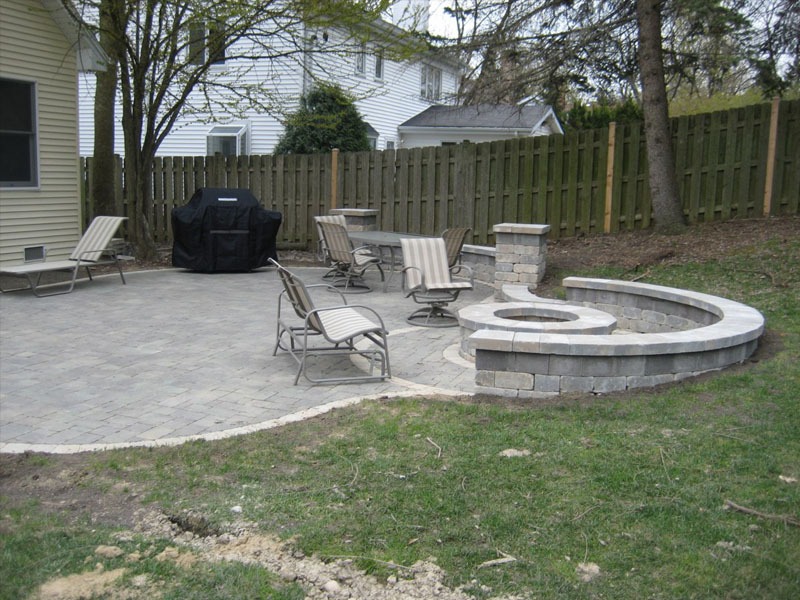
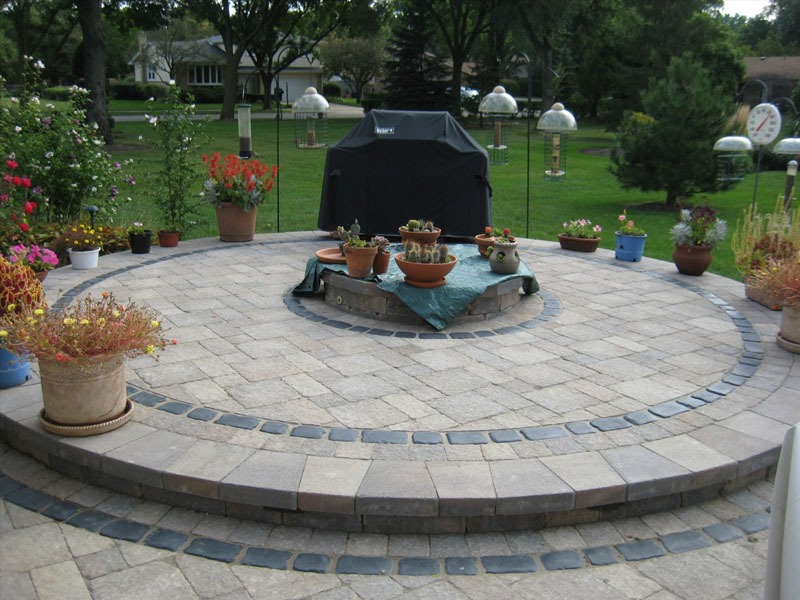
3D Brick Paving Co. builds custom fire pits, outdoor fireplaces, and integrated paver patio systems across Des Plaines and suburban Cook County. Every fire feature layout accounts for the 15-foot residential fire safety clearance, Des Plaines rear-yard zoning limits, CA-6 base requirements, and utility coordination before excavation begins. The company has operated since 1972, holds ICPI certification, and carries Unilock Authorized Contractor status.
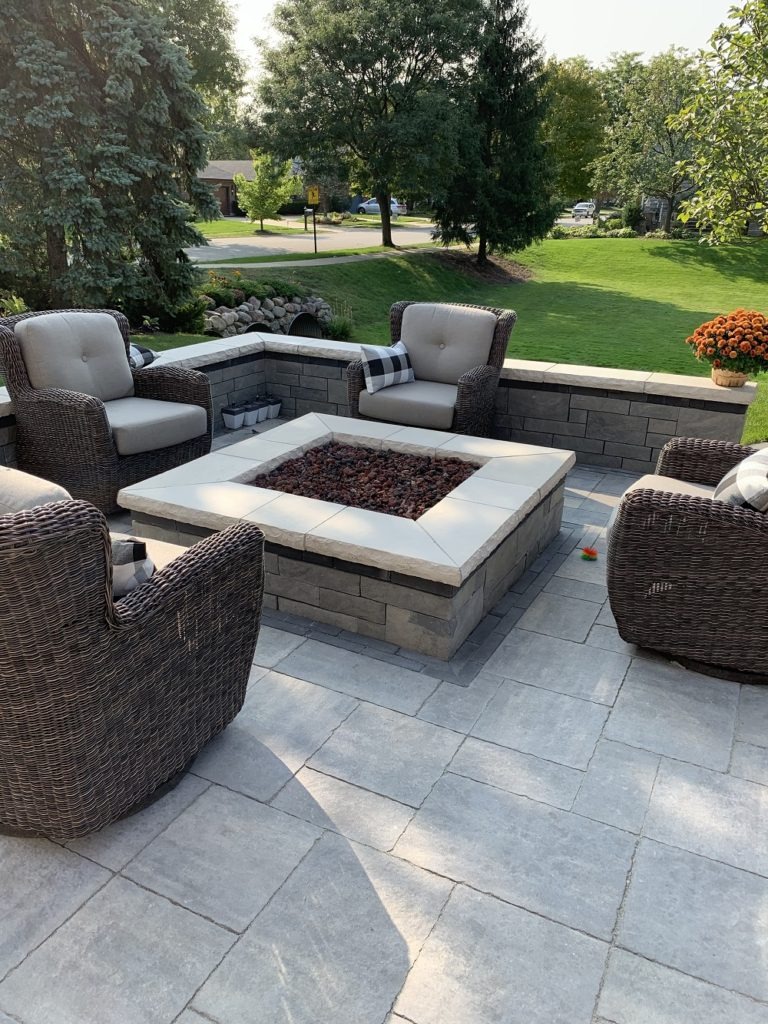
Des Plaines Permits for Fire Pits and Outdoor Fireplaces
Fire Clearance, Setbacks, and Rear-Yard Coverage: What Governs the Layout
A fire feature layout starts with the Plat of Survey, not the paver catalog. Before any material is selected, the site has to satisfy four overlapping spatial requirements:
- 15 ft minimum clearance from buildings, property lines, and combustible materials (Des Plaines fire safety standard for residential fire pits and outdoor fireplaces)
- 5 ft patio setback from all property lines under Des Plaines residential hard-surface rules
- 3 ft separation from driveways or parking areas
- 60% rear yard coverage cap in R-1 zoning districts
Required Drainage Pitch
Patio Run | Minimum Surface Drop |
8 ft | 2 inches |
12 ft | 3 inches |
20 ft | 5 inches |
Required Drainage Pitch
The finished patio surface must pitch away from the building at a minimum of 1/4 inch per foot and sit at least 4 inches below the top of the foundation.
Slope = Δh / L ≥ 1/4 in/ft (approximately 2.08% slope)
Patio Run Minimum Surface Drop |
Patio Run Minimum Surface Drop |
Patio Run Minimum Surface Drop |
Surface water that pools behind a patio, fire feature, or rear seating wall is the same water that feeds freeze-thaw damage through the next winter.
How Des Plaines Clay Destroys Poorly Built Fire Features
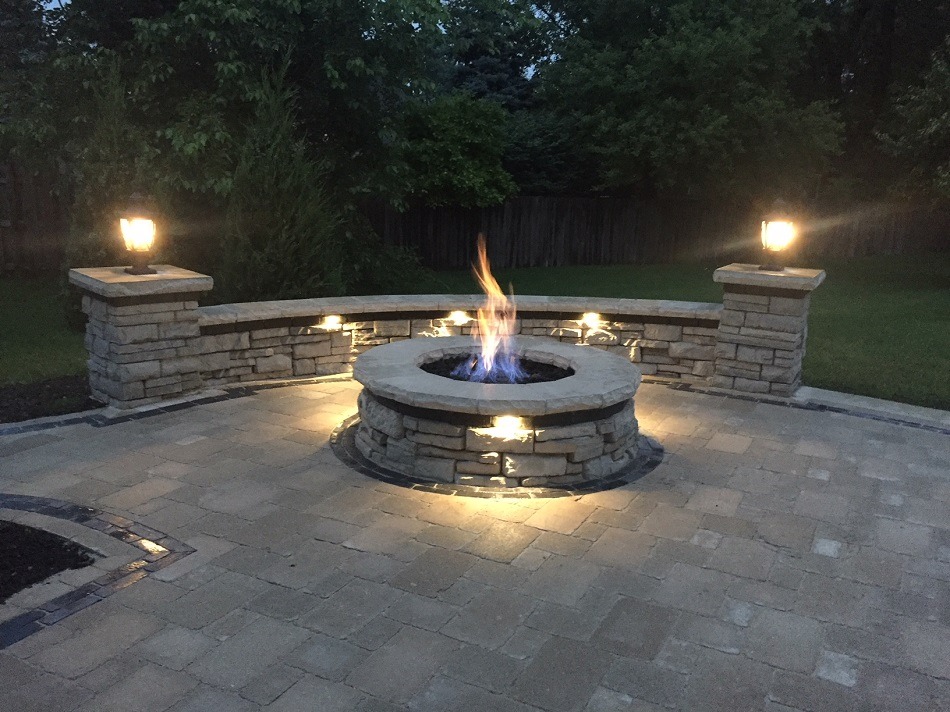
Installation Process
1. Site review and survey matching
We review the Plat of Survey, rear-yard dimensions, property lines, driveway spacing, existing patio footprint, downspout discharge points, tree zones, and utility paths before layout begins.
2. 3D design and code layout
We position the fire feature, seating walls, patio borders, and walkways around the 15-ft fire clearance, 5-ft property line setback, and 60% R-1 rear yard coverage limit.
3. Permit and utility coordination
We file the hard-surface permit, coordinate JULIE utility marking, and manage gas or electrical permit paths for applicable fire features.
4. Clay-conscious excavation
We remove unstable surface material, old concrete, soft clay pockets, loose base aggregate, sod, and organic material from the build area.
5. CA-6 base construction
We install and compact the CA-6 aggregate base across the full patio and fire feature footprint. Pea gravel is not used.
6. Drainage pitch and runoff control
We set the patio surface at the required 1/4 inch per foot slope away from the structure and verify where water moves during a heavy rain event.
7. Fire feature and patio construction
We build the fire pit or fireplace, seating walls, patio field, borders, and walkway transitions to the approved layout and selected materials.
8. Cleanup and haul-off
We remove all construction debris through commercial hauling or approved disposal.
Drainage Planning for Lake Opeka, North Des Plaines, and River Trail Properties
JULIE Utility Coordination Before Excavation
Gas Line and Electrical Coordination for Natural Gas Fire Features
Project Scale: Portfolio Reference
Project | Features | Duration | Listed Cost |
Elmhurst Outdoor Living | Patio, grill enclosure, fire pit, Eden Natural Stone walls, Beacon Hill Flagstone pavers | 8 days | $45,000 |
Northbrook Outdoor Living | Patio, sidewalk, grill enclosure, fire pit, pavilion, Beacon Hill Flagstone Alpine Grey, Beacon Hill 7×15 Charcoal border, U-Cara walls | 20 days | $100,000 |
Project Scale: Portfolio Reference
Project Features Duration Listed Cost |
Project Features Duration Listed Cost |
Frequently Asked Questions
Yes. A Residential Hard Surfaces Permit is required for the paver patio component, with a $100 fee invoiced after application review. If the fire feature runs on natural gas, a separate permit under the 2021 International Fuel Gas Code may apply. Confirm the gas permit fee with the Des Plaines Building Division before finalizing project costs.
Des Plaines requires a minimum 15-foot clearance from buildings, property lines, and combustible materials for residential fire pits and outdoor fireplaces. Below-grade DIY fire pits are prohibited by the city.
Dense prairie clay and glacial till retain moisture and drain slowly. During freeze-thaw cycles, trapped water expands and creates ice lenses that lift patio surfaces unevenly from below. A compacted CA-6 base and correct drainage pitch (1/4 inch per foot away from the structure) counter this. Pea gravel is prohibited because it doesn’t compact into a locked structural layer and shifts under masonry load.
The city requires a Pre-Pour/Base Inspection after the CA-6 base and forms are set, and a Final Inspection after project completion. We schedule work sequencing so the base is ready for inspection before it’s covered by pavers or masonry.
No. A natural gas connection requires a separate fuel gas permit under the 2021 International Fuel Gas Code, effective in Des Plaines from January 1, 2026. Low-voltage lighting or electrical components tied to the fire feature may also require permits under the adopted 2020 National Electrical Code.
Yes. Persistent pooling near the proposed fire feature location indicates a drainage problem that affects base performance and long-term stability. Depending on grade conditions, we may coordinate French drains, drain tile, or engineered dry wells alongside the patio build. We review site drainage during the consultation before the layout is finalized.
Yes. Illinois JULIE lists patio projects among the work types that require advance notification. Notice must be given at least three business days and no more than 10 days before excavation, excluding weekends and holidays. An 18-inch tolerance zone applies on each side of any marked utility, requiring hand digging or vacuum excavation.
No for a full replacement. LRS bulk pickup excludes concrete, stone, masonry, and dirt. The city allows up to 1 cubic yard of construction debris per week for smaller household projects. Full demolition debris requires commercial hauling, with Vulcan Materials of Elk Grove available for concrete and masonry disposal at cost.
R-1 residential zoning caps rear yard hard-surface coverage at 60%. The fire feature, patio, seating walls, and any walkways connecting to the patio all count toward that limit. We calculate the full site coverage before finalizing the layout.
We manage the gas line route, electrical conduit path, and appliance rough-in sequencing as part of the build plan. The actual licensed trades work for gas and electrical connections involves coordination with the appropriate licensed subcontractors and inspectors under the adopted code set.
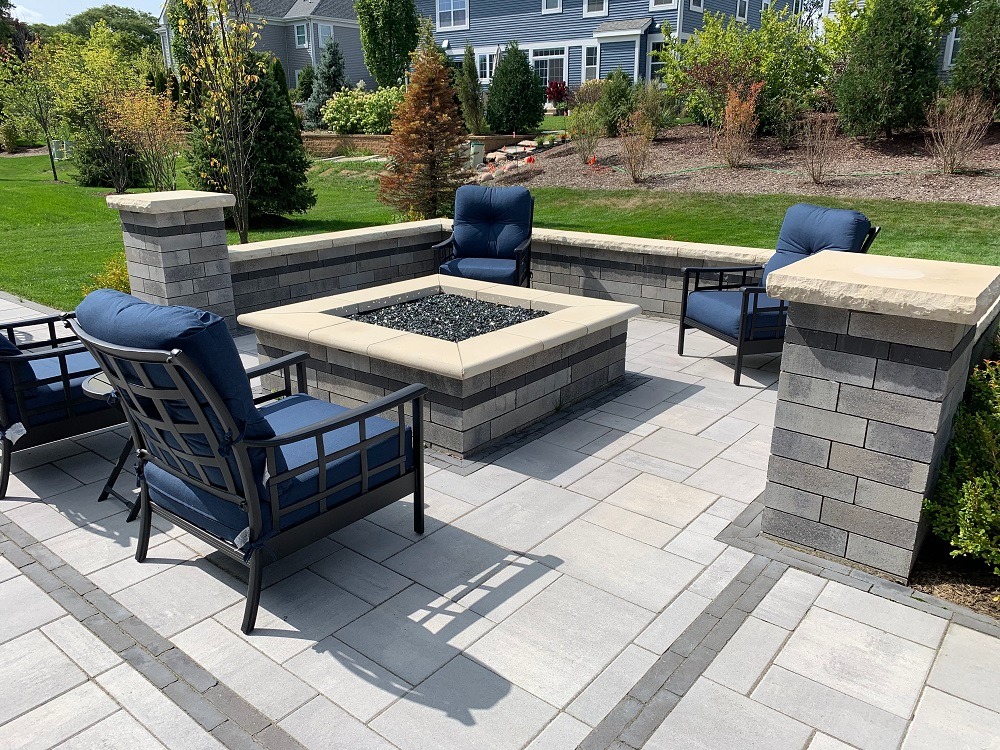
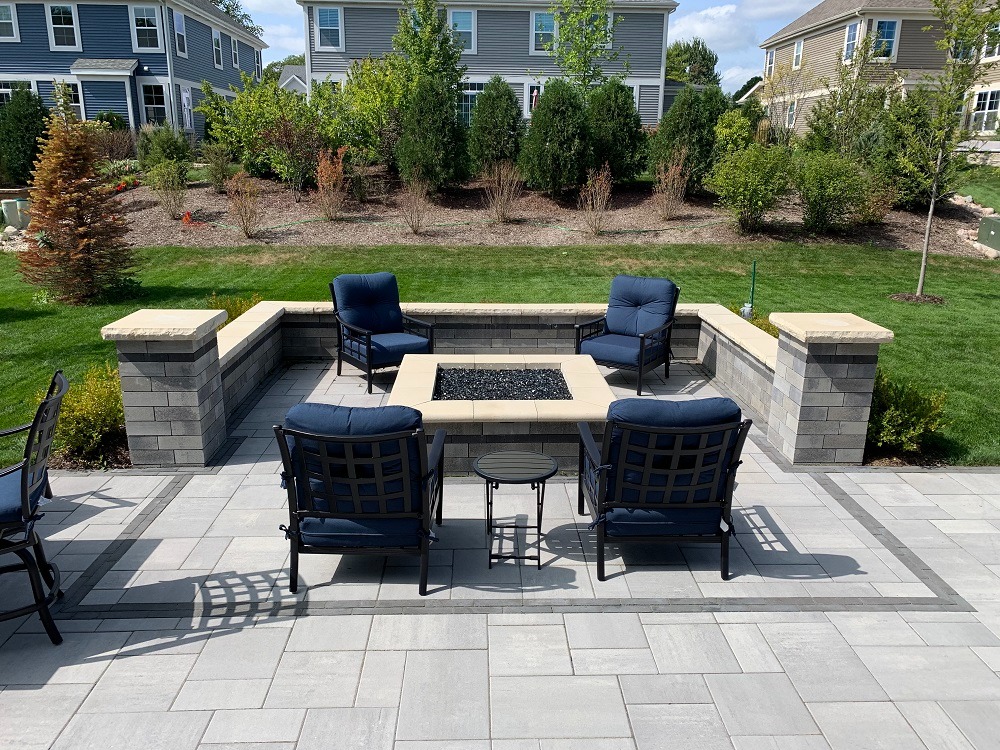
Contact 3D Brick Paving Co.
We serve Des Plaines, Unincorporated Maine Township, and surrounding northern Chicago suburbs. Consultations include a site visit, fire clearance and setback review, drainage assessment, and a 3D design rendering at no charge.