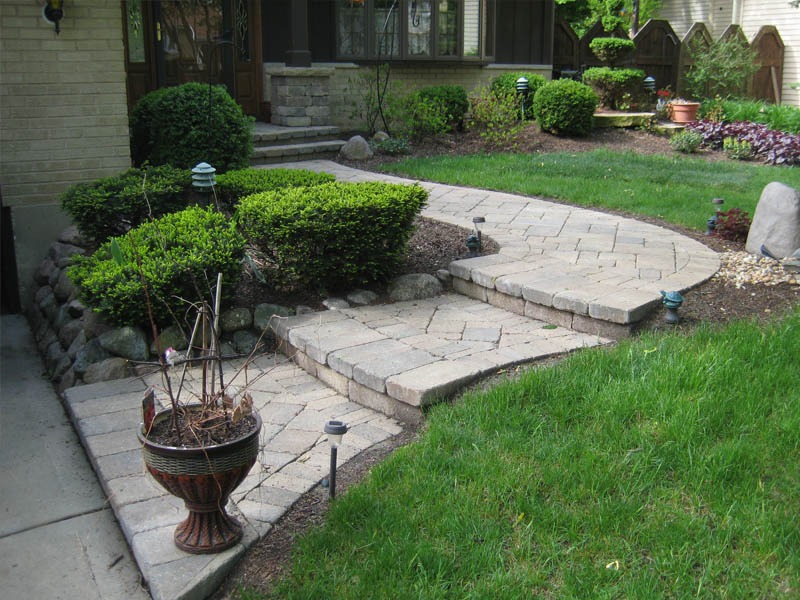

Winnetka Brick Paving Engineered for North Shore Soil, Stormwater Compliance, and Architectural Continuity
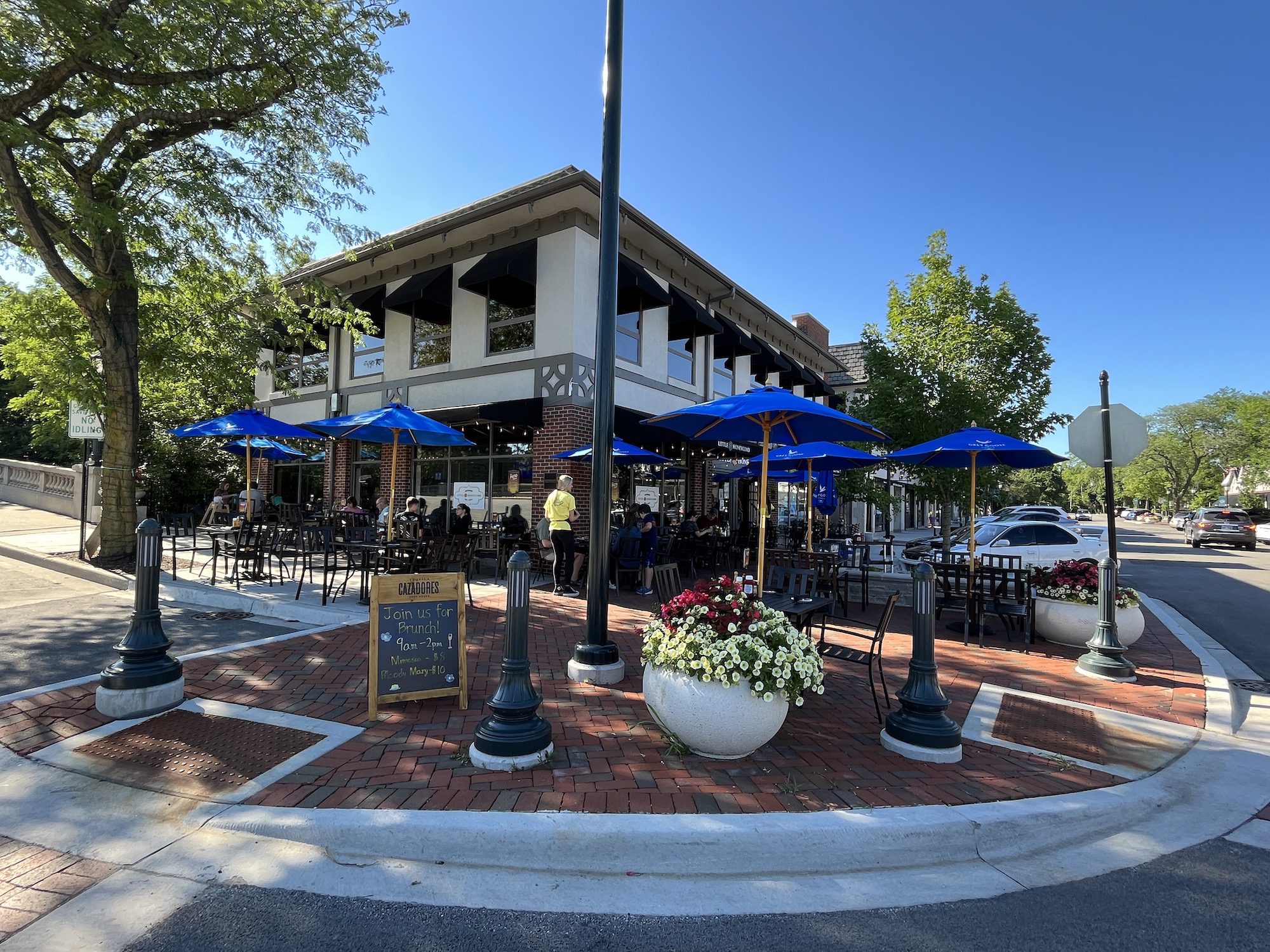
The Geotechnical Reality: Why Interlocking Pavers Outperform Rigid Slabs
Des Plaines and Winnetka expose hardscapes to different water problems, but the physics are related.
Des Plaines sits inside a low-lying river watershed with dense, high-water-table clay that pulls moisture upward through capillary action. When that trapped water freezes, it expands by approximately 9%, forming ice lenses that lift rigid flatwork from below. Ice volume runs about 1.09 times the volume of the water that froze into it.
Rigid poured concrete concentrates that frost-heave stress into cracks. Once the slab fractures, water enters the crack, freezes again, widens the void, and accelerates failure.
Interlocking brick pavers behave differently. The pavement is segmented, so stress distributes through sand-filled joints rather than being forced through one monolithic slab. When installed over a compacted aggregate sub-base, the system can flex across seasonal freeze-thaw cycles without the brittle cracking pattern common to concrete.
Sub-Base Specification: Excavation, Geotextile, CA-6, and Drainage Pitch
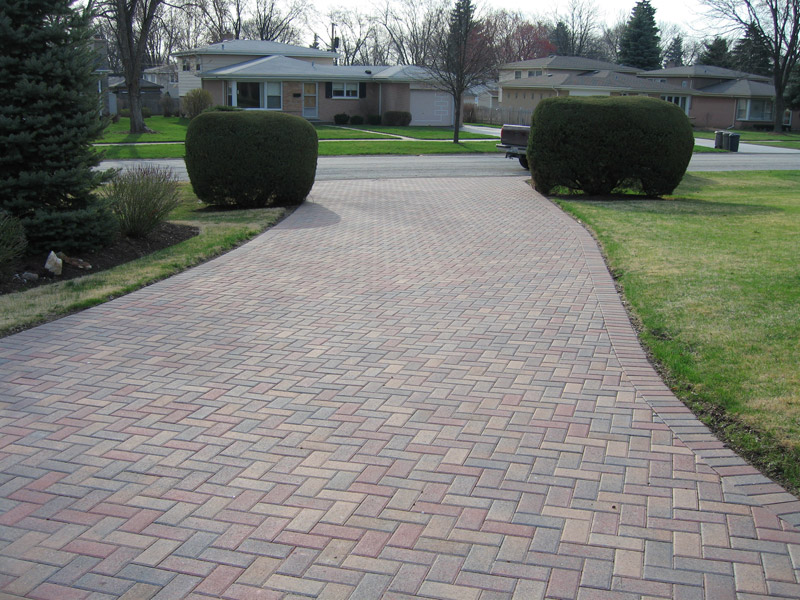
Winnetka Stormwater Utility Fee Mitigation Through Permeable Pavers
Ravine, Bluff, and Lake-Effect Hardscape Design
- Slope direction.
- Permeable paver feasibility.
- Retaining wall load paths.
- Downspout discharge routes.
- Erosion exposure.
- Lake-effect freeze-thaw risk.
- Joint sealing and surface drainage.
- Stormwater detention credit opportunities.
Winnetka Permit Control: Survey Age, Work Hours, and Winter Right-of-Way Timing
Des Plaines Compliance Benchmark: Setbacks, Coverage, Bonds, and Cleanup