

Highland Park Brick Paving Built for Ravine-Safe Drainage, Clay Soil, and City Compliance
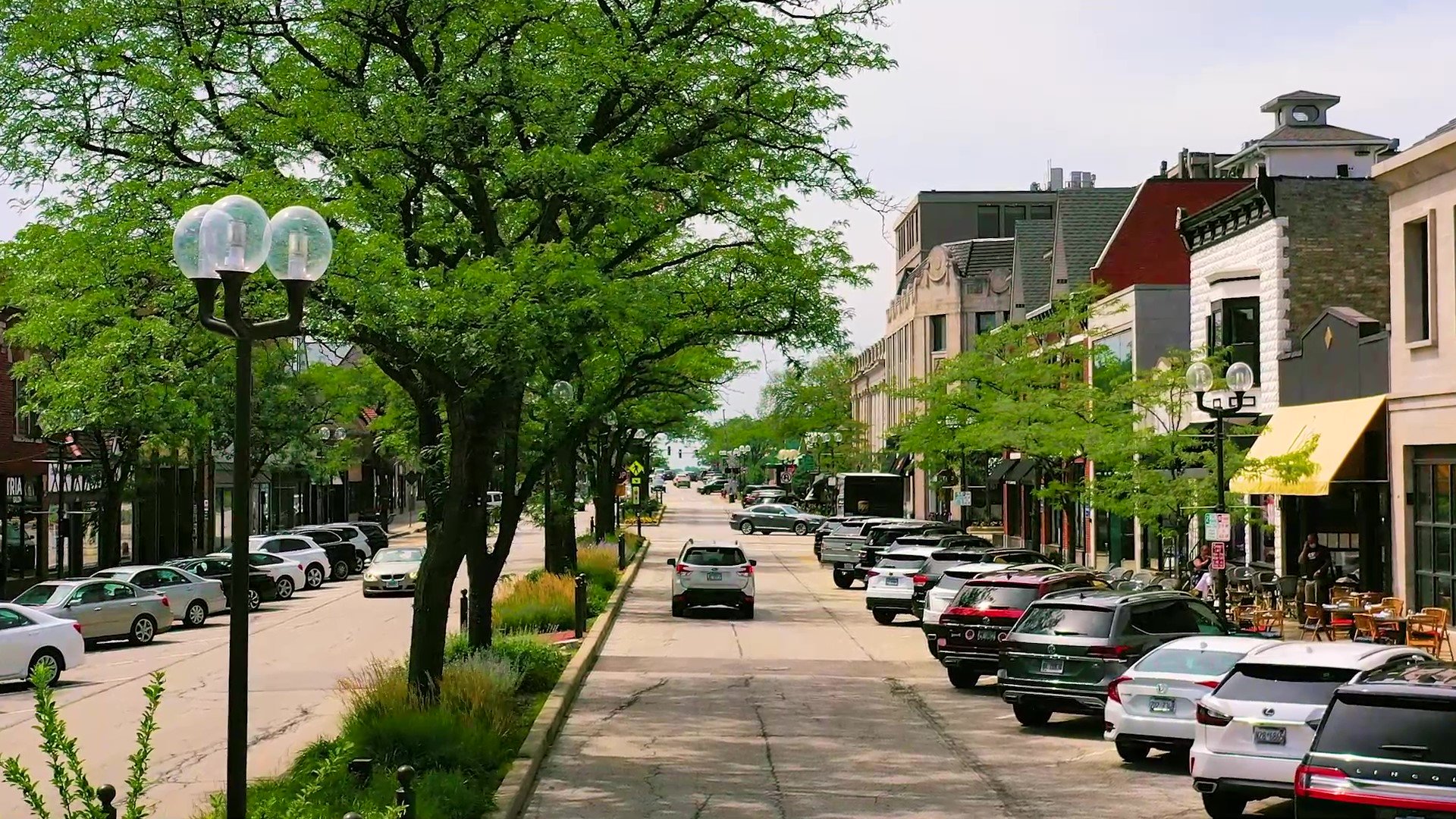
Highland Park hardscaping has to respect the ground before it can enhance the home. Along the Highland Park Moraine, dense Pleistocene Wadsworth Till, steep ravines, mature oak and maple canopies, and lake-influenced freeze-thaw cycles create a harsher construction environment than a standard suburban patio page admits. Wadsworth Till in this region runs up to roughly 70% clay in its densest phase, with low permeability and real erosion risk along ravine corridors such as Ravine Drive.
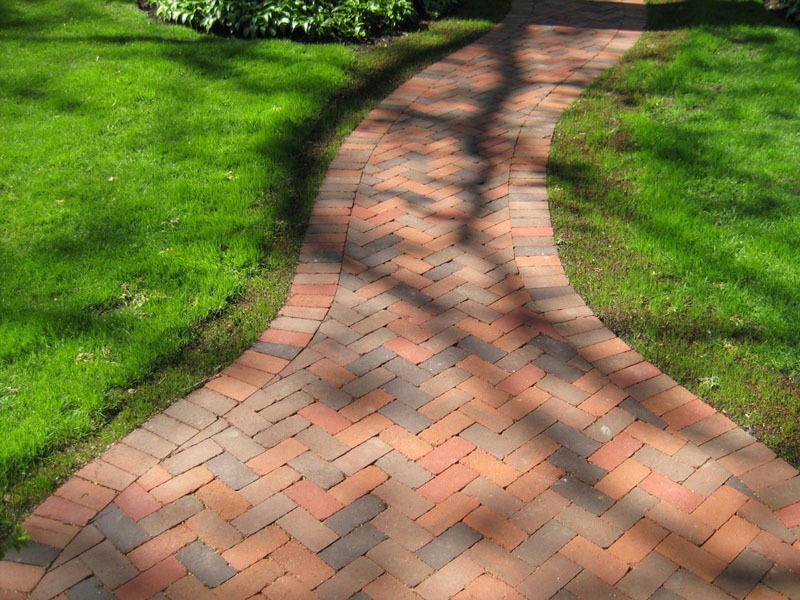
3D Brick Paving designs and installs custom brick paver patios, driveways, walkways, driveway aprons, retaining walls, natural stone terraces, outdoor fireplaces, fire pits, and grill enclosures for Highland Park homeowners who want architectural beauty backed by engineered subgrade preparation.
Founded by Gaetano D’Aiello in 1972 and joined by Mike and Frank in 1981, 3D Brick Paving brings over 50 years of family-owned hardscape experience to Chicagoland. We provide a 5-year unconditional labor guarantee and are an ICPI Certified Installer, Unilock Authorized Contractor, and Belgard Authorized Contractor.
Climate-Engineered Foundations and Subgrade Physics
Northern Illinois hardscapes fail when contractors build for the surface instead of the subgrade. Highland Park’s dense prairie clay and glacial till hold water, drain slowly, and move under winter pressure. When moisture freezes across the regional 36-to-48-inch frost zone, the expansion creates vertical uplift that can crack poured concrete, tilt steps, separate joints, and push shallow paver bases out of alignment.
That movement becomes more severe near ravines. Solid impervious surfaces send stormwater downhill too fast, and on steep Highland Park slopes, that water can carve gullies into ravine walls, saturate clay subsoil, and trigger bank slumps. Highland Park’s ravine system and moraine geology mean uncontrolled runoff can damage slope stability and downstream stream habitat well beyond whatever happens to the paved surface itself.
Our base system
3D Brick Paving builds against that failure pattern with a layered structural system:
- Deep mechanical excavation matched to soil, slope, and surface load
- Heavy non-woven geotextile stabilization fabric to separate native clay from the stone layer
- A compacted sub-base of interlocking, angular CA-6 crushed stone aggregate
- Clean bedding sand, restrained edges, and jointing systems matched to the paver field
Loose pea gravel has no place in this system. It rolls under vehicle load, fails to compact into a locked matrix, and allows pavers to rut, shift, and settle. Angular CA-6 locks together under compaction, creating the load-bearing base Highland Park clay demands.
Complete Permitting and Environmental Management
Highland Park hardscape work requires clean permit handling before excavation begins. The City’s Community Development Department handles permit applications and submittal requirements for exterior residential work, and the official Highland Park building division site directs applicants through its permit process.
3D Brick Paving prepares the hardscape scope around the survey, driveway layout, public sidewalk line, apron conditions, drainage direction, tree locations, steep-slope proximity, and material staging. For complex work near ravines or steep slopes, added review items can include a geotechnical subsoil report, earth-moving profile, hydrological control plan, and protective fencing where work occurs within 10 feet of a Steep Slope Zone.
JULIE 811 and excavation safety
Before any mechanical excavation, our crews follow the Illinois Underground Utility Facilities Damage Prevention Act. The proposed work area is physically pre-marked with white paint, flags, or chalk, and JULIE 811 is contacted before digging. JULIE’s excavator guidance confirms that pre-marking the job site is part of safe digging and that the excavator is responsible for the locate request.
Construction hours
Highland Park permits contractor and landscaper work from 7:00 AM to 7:00 PM Monday through Friday and 9:00 AM to 5:00 PM on Saturday. Work isn’t allowed on Sundays or holidays.
Our crews schedule deliveries, excavation, compaction, saw cutting, cleanup, and vehicle staging inside those windows. Heavy equipment stays out of protected root zones, and material staging is planned so driveways, parkways, and public access remain orderly.
Debris hauling and site restoration
A real paver installation creates heavy waste: concrete, stone, brick, old pavers, excavated dirt, clay, and failed base aggregate. Weekly residential trash service isn’t meant for that material, and clean excavation material should be routed through Clean Construction or Demolition Debris channels rather than curbside collection.
3D Brick Paving manages all of the heavy demolition waste hauling on a project. Site debris is routed to authorized aggregate reclamation and CCDD-appropriate facilities instead of being left at the curb, staged in the street, or washed toward storm drains.
Space Planning, Drainage, and Setback Compliance
Highland Park layout work starts with the site, not the paver color. Driveway width, public sidewalk position, tree driplines, ravine setbacks, slope direction, and water discharge decide what can be built.
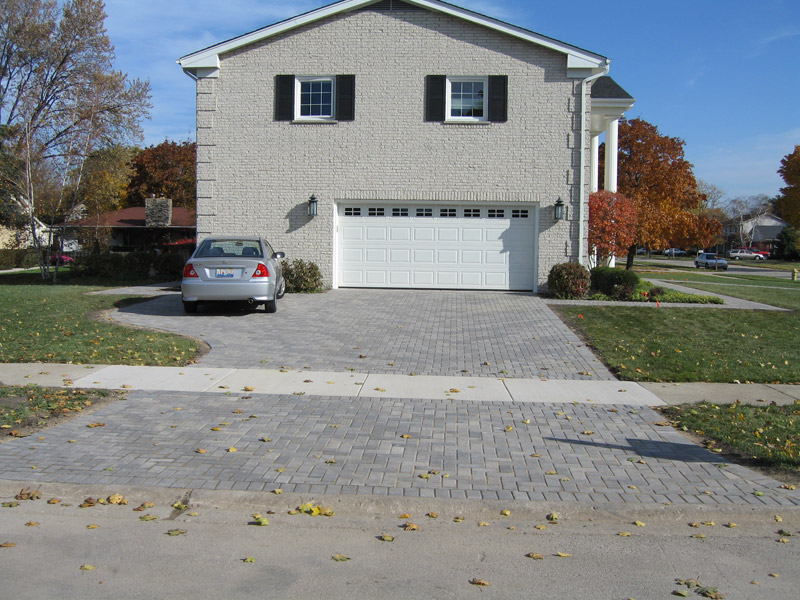
Residential driveways in Highland Park need to maintain a minimum width of 10 feet at the sidewalk and a maximum width of 18 feet at the sidewalk line, and a driveway can’t expand beyond 18 feet until it’s at least 10 feet back from the public walk. Paving inside the city-owned right-of-way requires a Non-Exclusive Licensing Agreement through Public Works, a refundable deposit, and a minimum $10,000 surety bond.
Tree and root protection
Tree protection changes the construction method. Heavy equipment and material storage aren’t permitted within tree root preservation zones, and holes under tree driplines must be hand-dug. For Highland Park homes with mature maples, oaks, and ravine-edge planting, that means we protect the surrounding trees during the base preparation stage rather than repairing damage afterward.
Frequently Asked Questions
Yes. Highland Park driveway work requires municipal review, and any brick paving inside the public right-of-way, including the apron or sidewalk crossing, requires a Non-Exclusive Licensing Agreement through Public Works, with a refundable deposit and a minimum $10,000 surety bond for that right-of-way work.
Driveways must be at least 10 feet wide at the public sidewalk and can’t exceed 18 feet at that sidewalk line. The driveway can’t widen past 18 feet until it’s at least 10 feet back from the public walk. We use these limits during layout so the paver driveway is designed for approval before excavation begins.
We excavate mechanically, separate the native clay from the stone layer with heavy non-woven geotextile fabric, and install compacted angular CA-6 crushed stone instead of loose pea gravel. The base supports the paver field, helps water move out of the assembly, and reduces frost-heave movement through Highland Park’s 36-to-48-inch winter frost conditions.
Where paving or earth-moving occurs within 10 feet of a designated Steep Slope Zone, Highland Park can require engineer-led documentation, earth-moving controls, hydrological planning, and protective fencing. We treat ravine-adjacent hardscapes as drainage-sensitive structures, using grading control, permeable options, and careful equipment limits to protect slope stability.
Highland Park sits on Wadsworth Till, a glacial deposit that can run up to roughly 70% clay in its densest phase. That’s denser and less permeable than many of the clay soils found elsewhere in the region, which is part of why standard base depths and drainage assumptions don’t always carry over directly from a typical suburban patio project.
3D Brick Paving handles all of the demolition hauling rather than leaving it for weekly residential pickup, which isn’t built for that volume or weight of material. Clean excavation material gets routed through Clean Construction or Demolition Debris channels, and the rest goes to authorized disposal facilities.
Yes, when mature trees are nearby. Heavy equipment and material storage can’t sit inside a tree’s root preservation zone, and any excavation under the dripline has to be hand-dug instead of machine-excavated. We plan around root zones from the start of the layout rather than adjusting after equipment is already on site.
Contractor and landscaper work is permitted from 7:00 AM to 7:00 PM Monday through Friday and 9:00 AM to 5:00 PM on Saturday, with no work allowed on Sundays or holidays. We schedule deliveries, excavation, and cleanup inside those windows.
Illinois law requires utility locating through JULIE 811 before any digging, and the excavator is responsible for making that request. We pre-mark the proposed work area with white paint, flags, or chalk and submit the locate request before any mechanical excavation begins.
Often, yes. An open-graded stone bed under a permeable paver system lets stormwater filter through the paving instead of running across a solid surface toward a slope. For homes near Ravine Drive or other steep-slope corridors, that can meaningfully reduce runoff velocity and the erosion risk that comes with it.
Schedule a Highland Park Brick Paving Consultation
Build your Highland Park brick paver patio, driveway, apron, walkway, retaining wall, fire feature, or natural stone outdoor living space with a contractor who understands ravine geology, Wadsworth Till clay, CA-6 base construction, JULIE pre-marking, right-of-way licensing, tree root protection, steep-slope review, and clean CCDD debris hauling before excavation starts.
Call 3D Brick Paving at 847-297-7966 to schedule a free Highland Park brick paving estimate.