

3D Hardscape Design Renderings in Des Plaines, IL
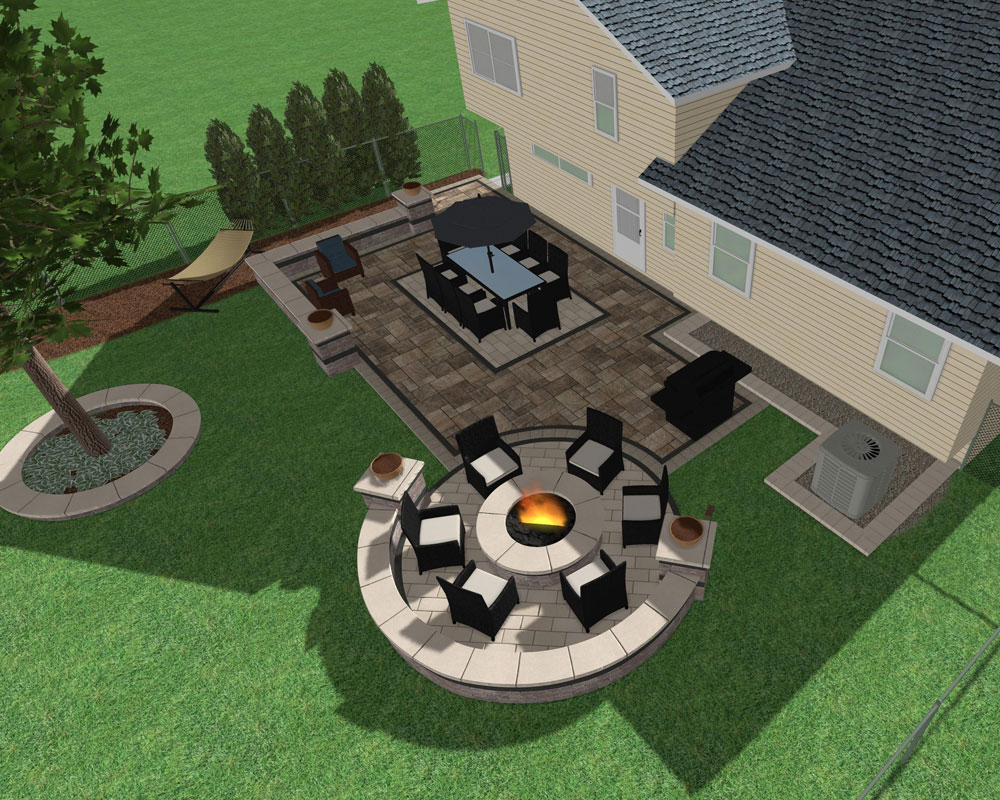
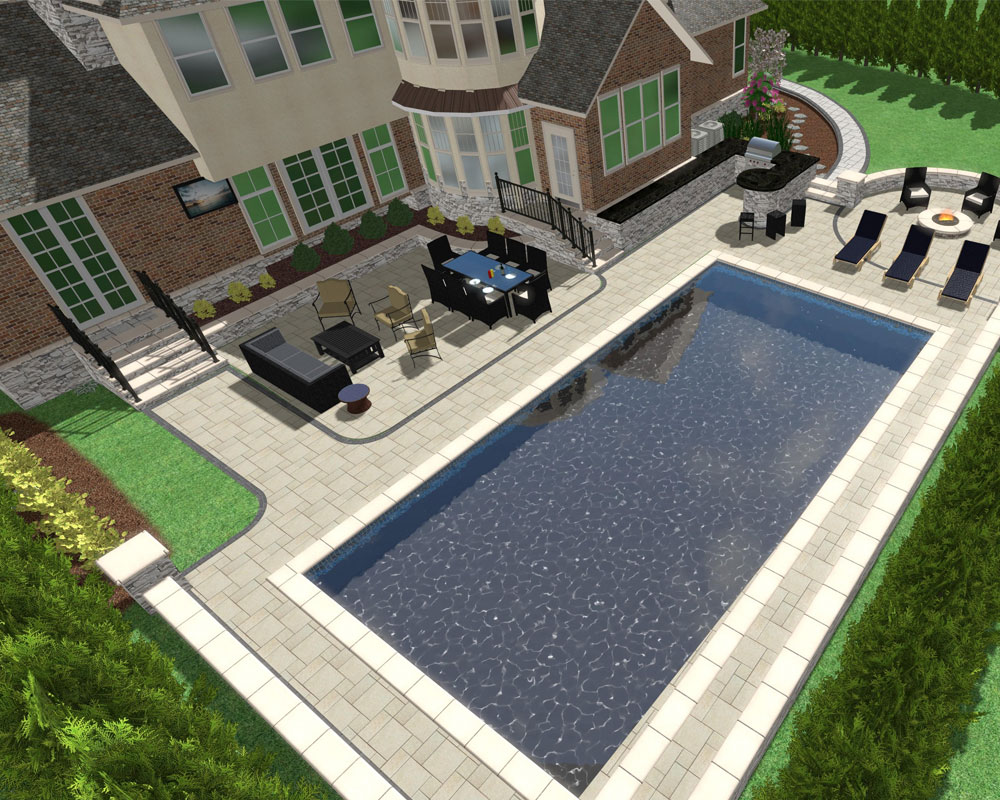
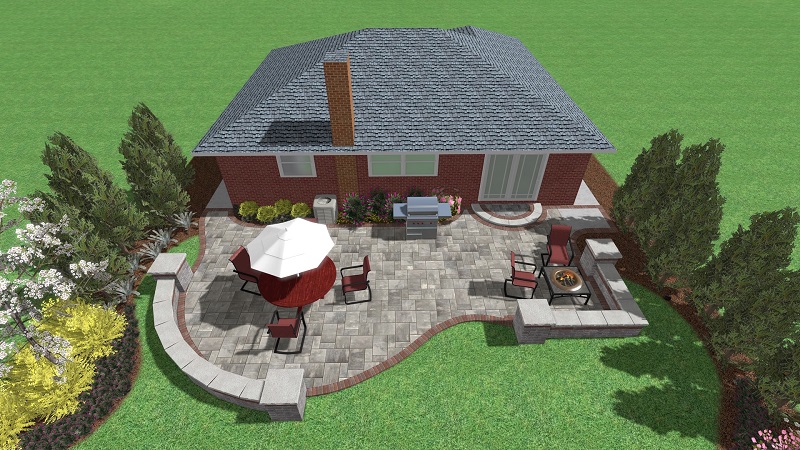
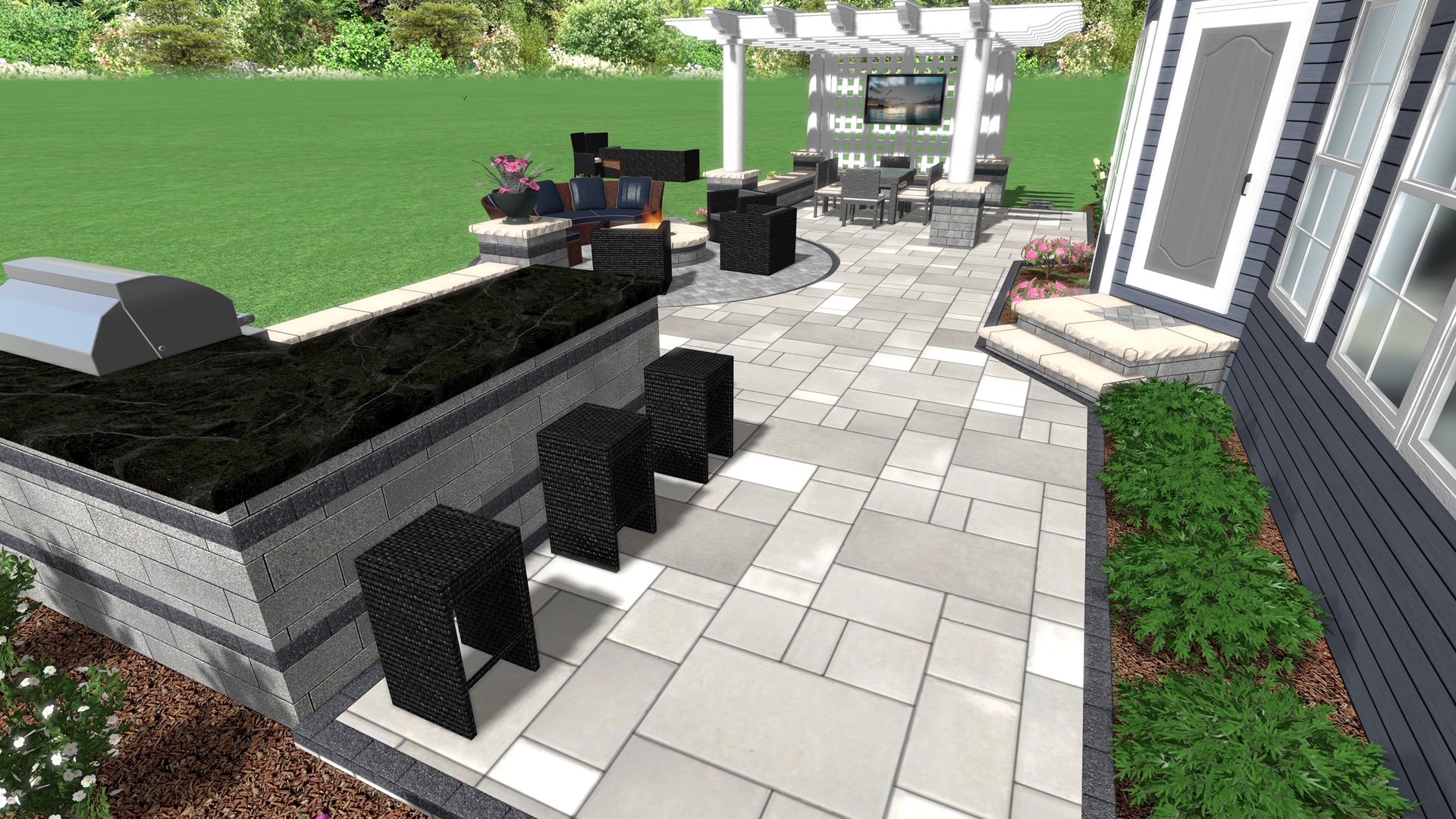
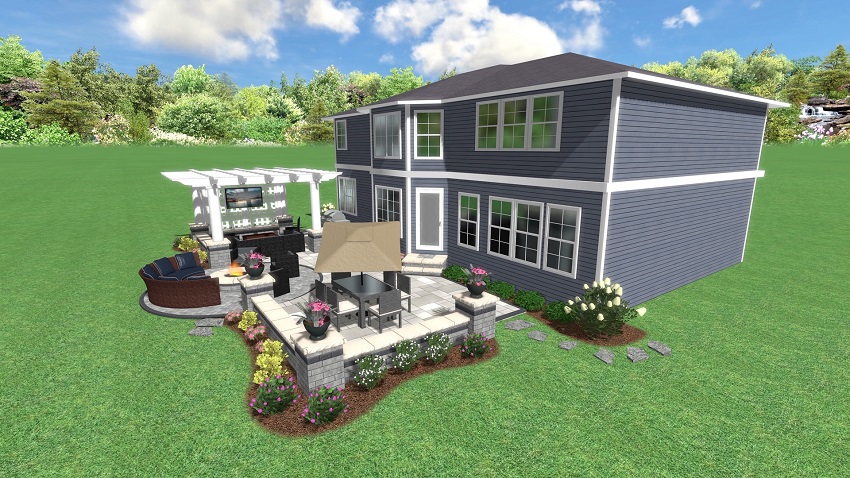
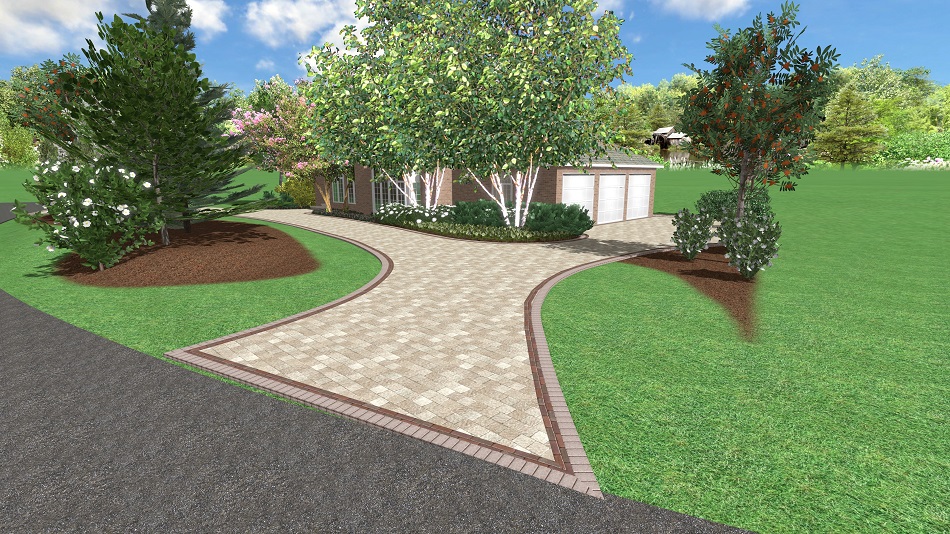
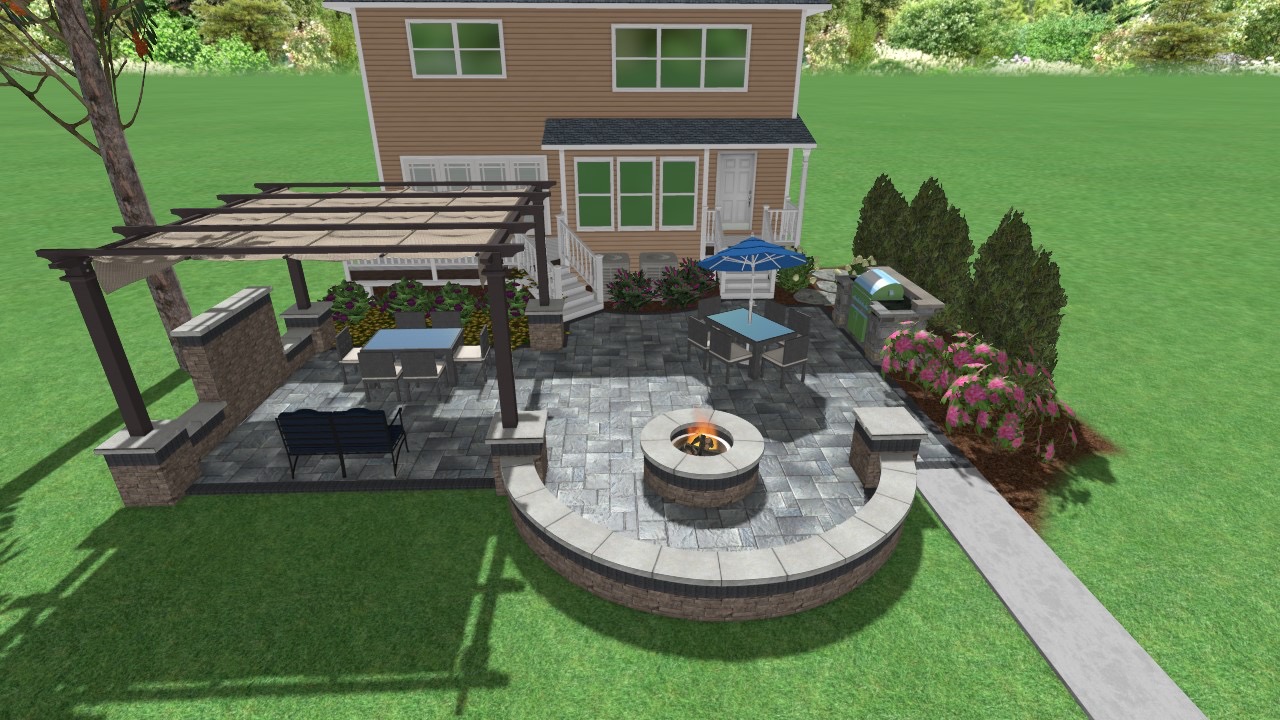
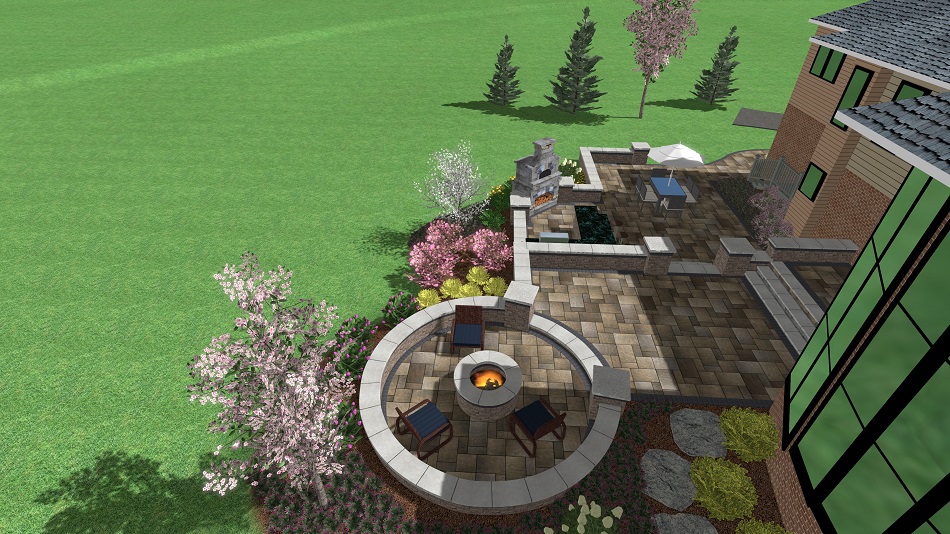
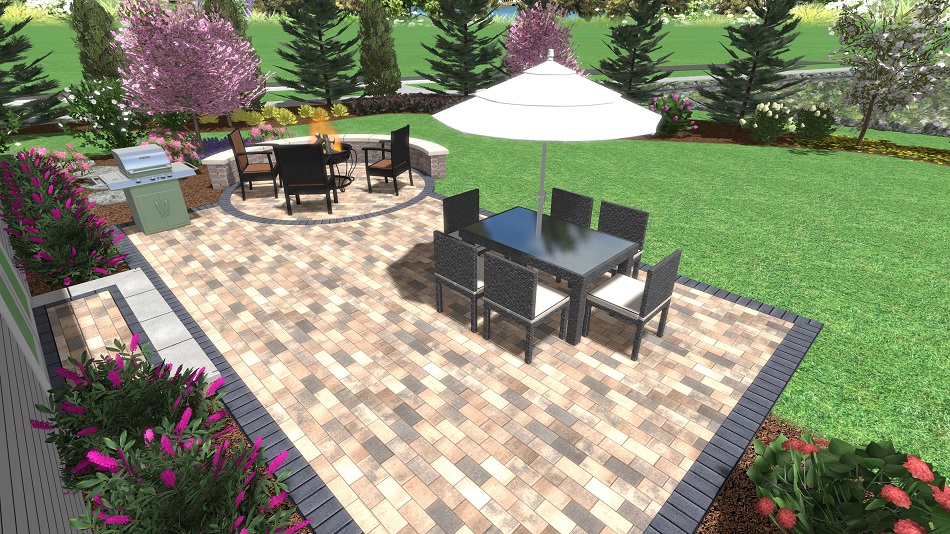
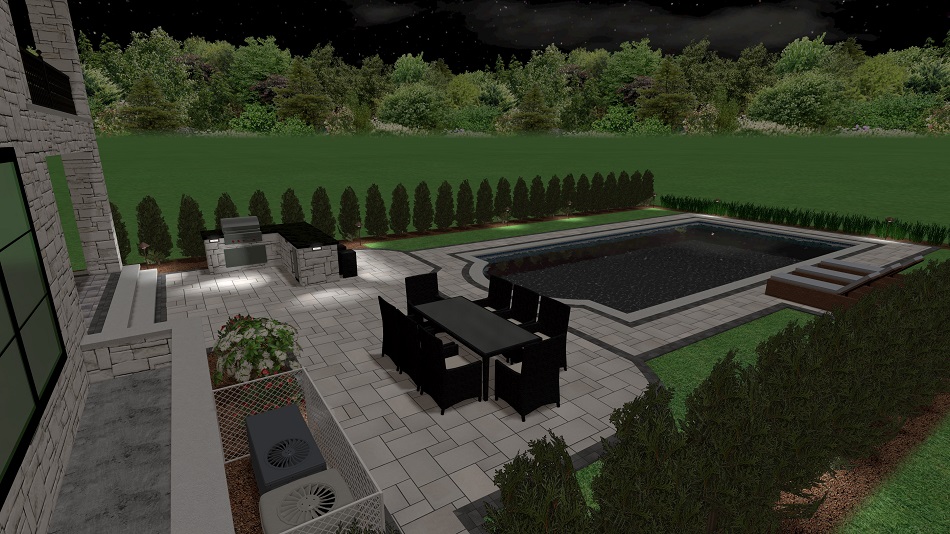
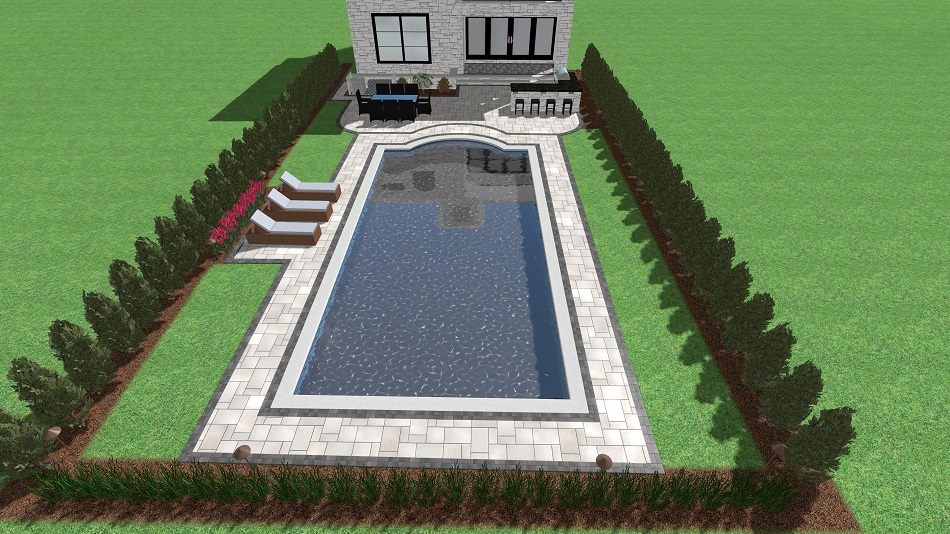
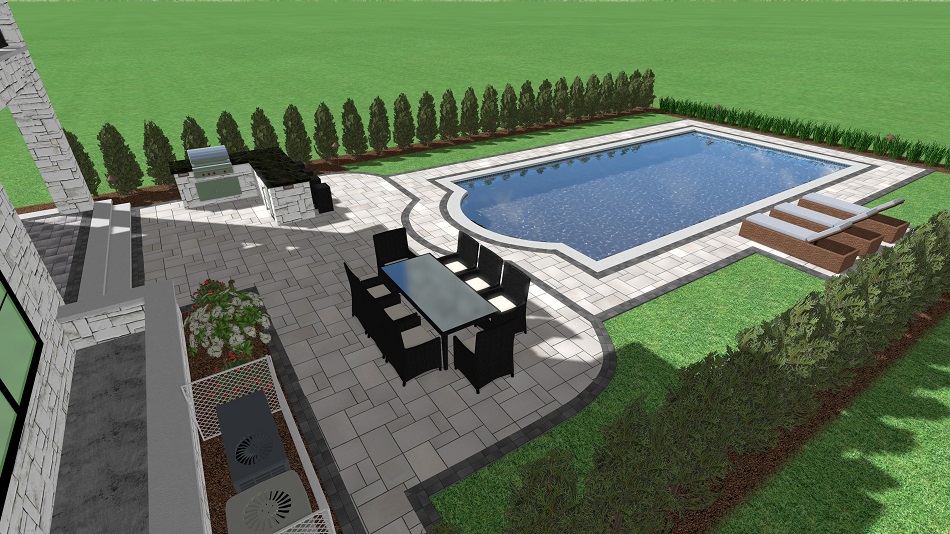
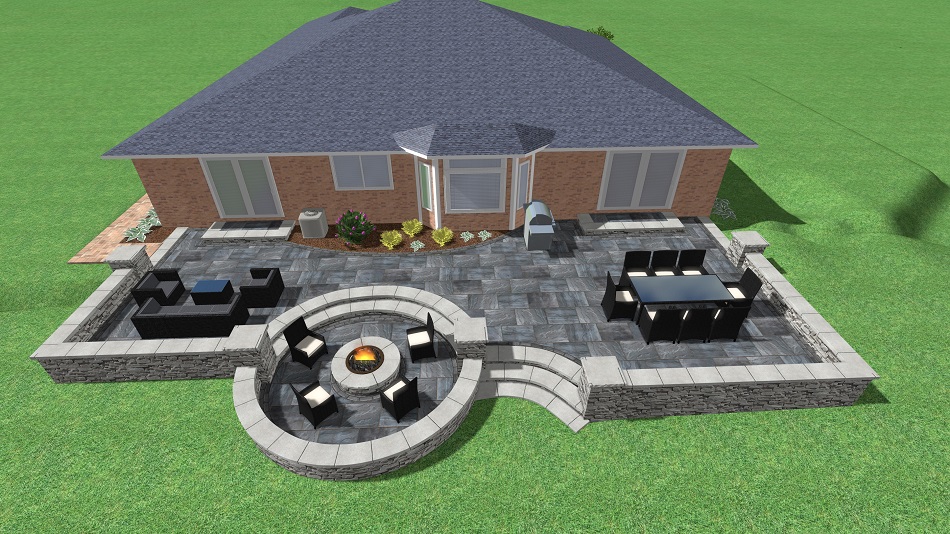
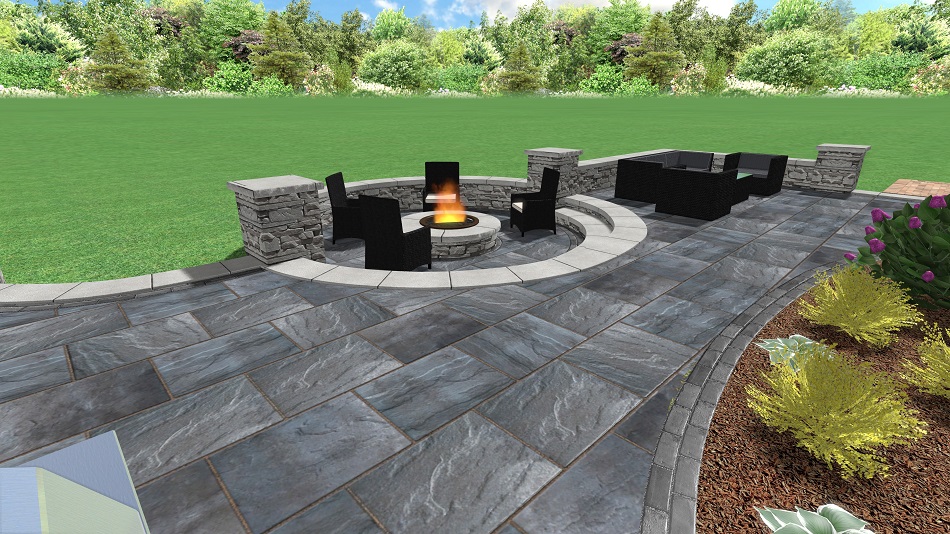
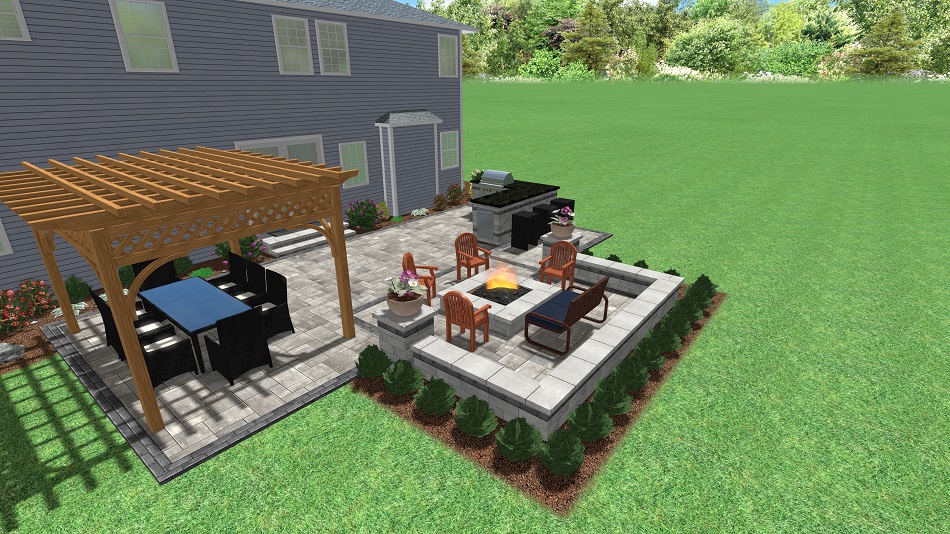
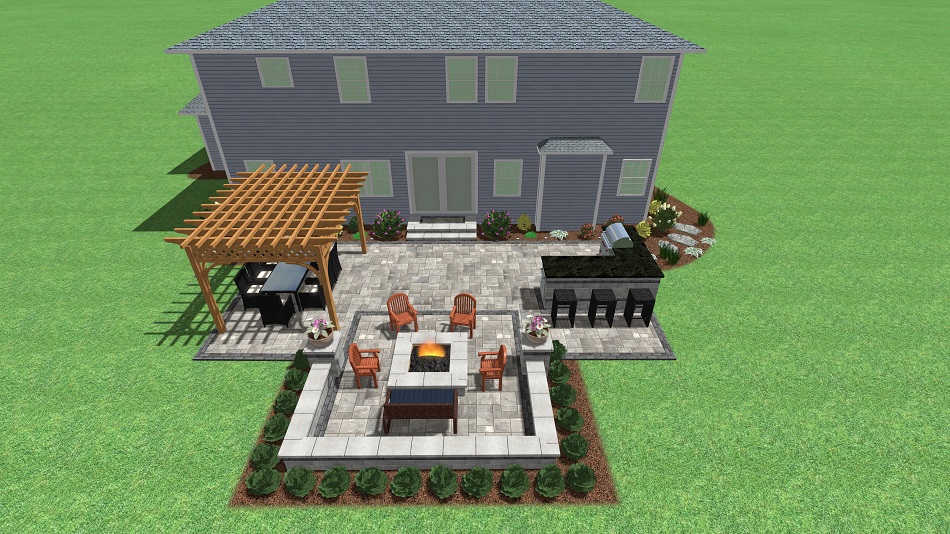
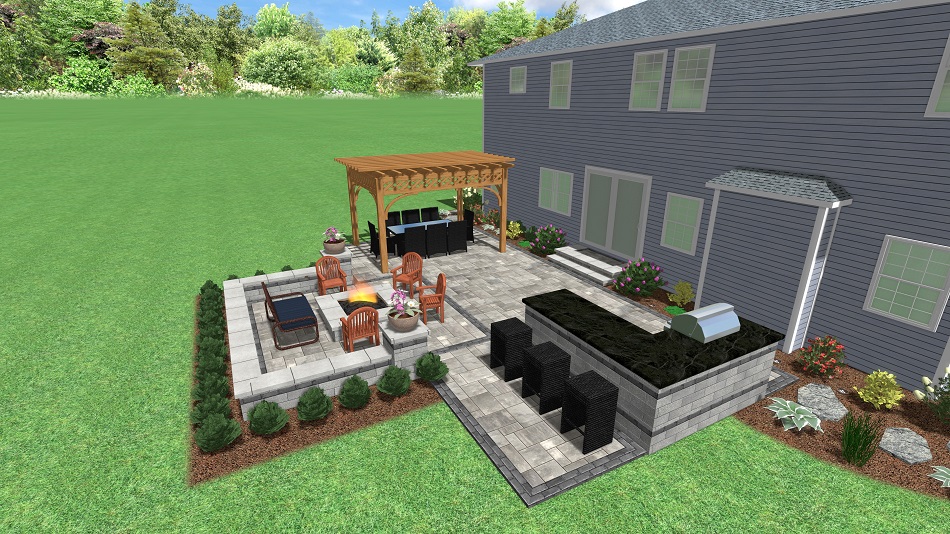
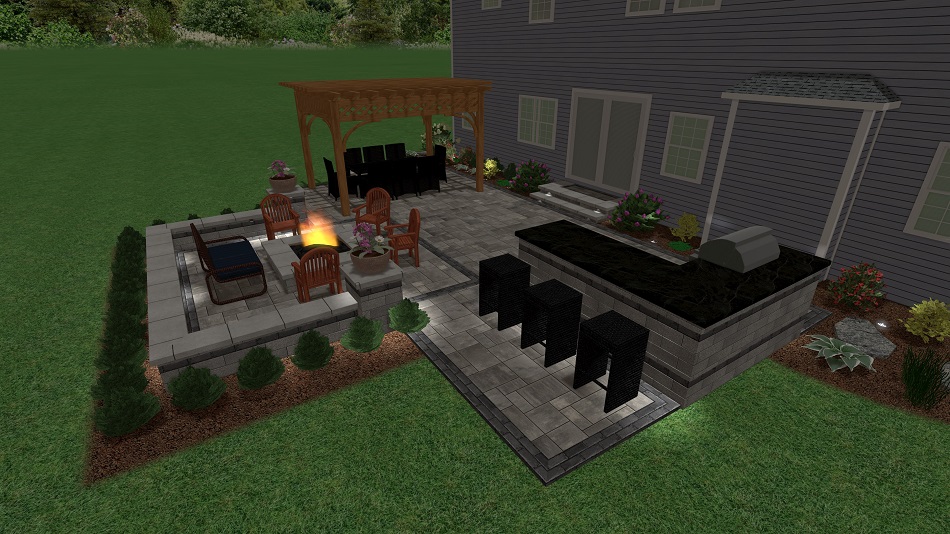
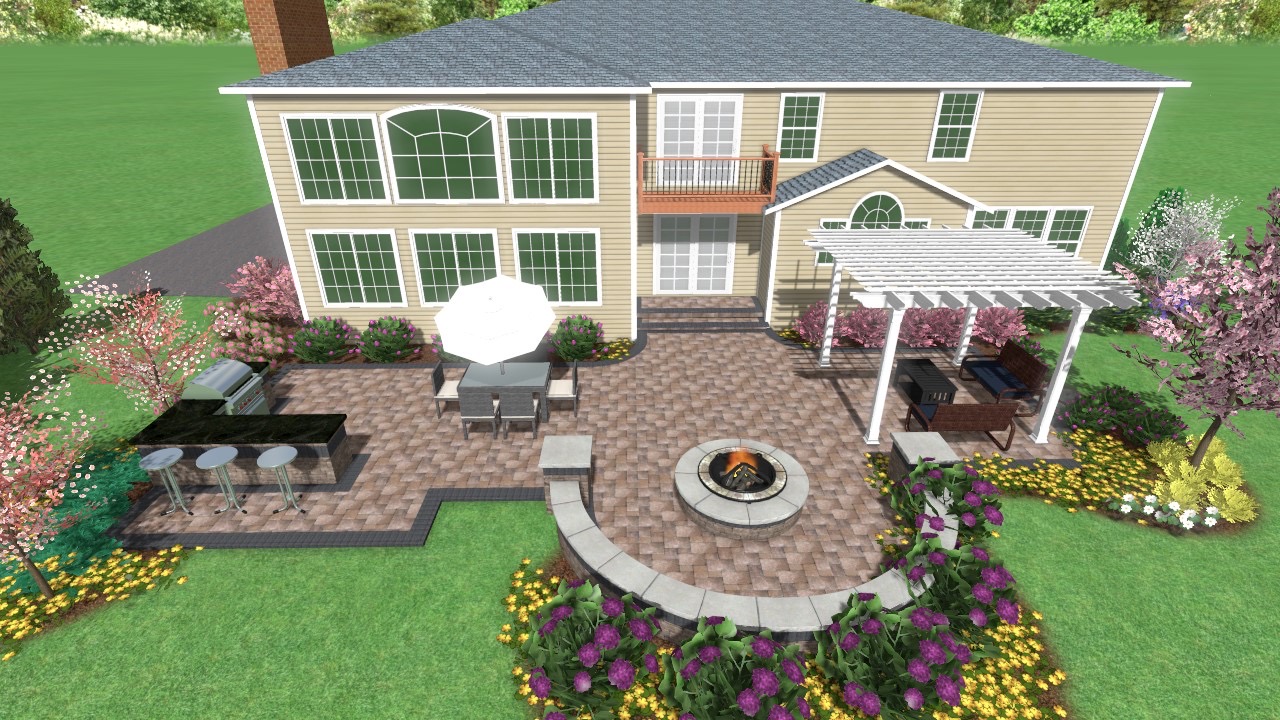
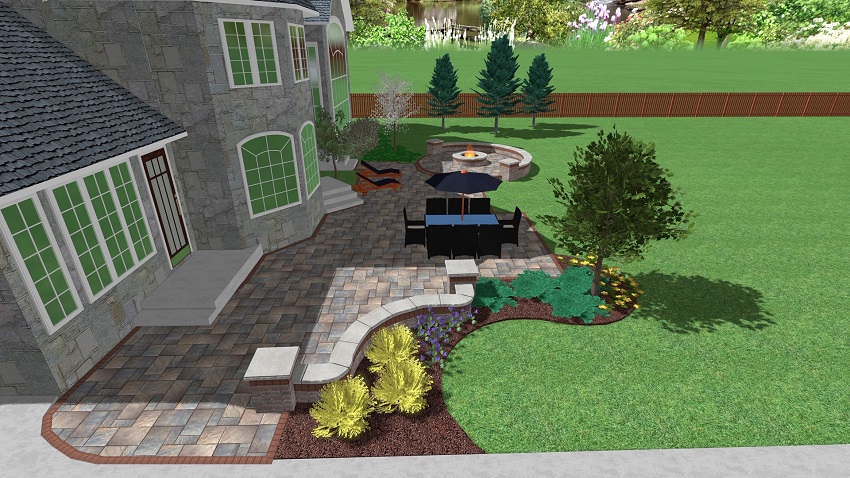
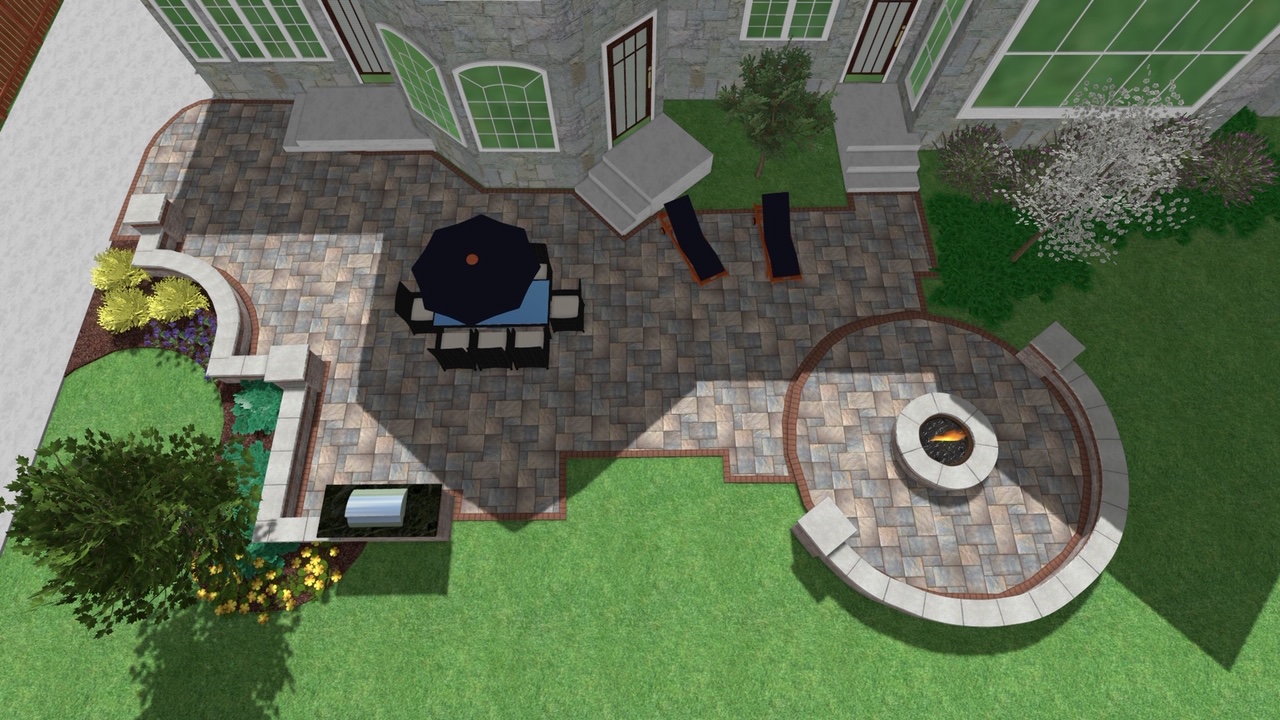
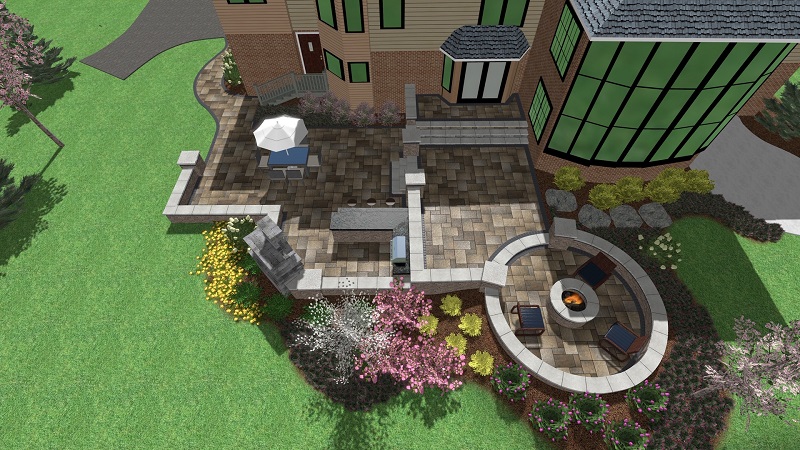
3D Brick Paving Co. produces photorealistic 3D hardscape renderings for patios, driveways, walkways, fire pits, outdoor kitchens, retaining walls, and full outdoor living layouts before any excavation begins. The rendering process isn’t a sales tool. It’s a pre-construction planning document that tests the design against Des Plaines setback rules, rear-yard coverage limits, driveway width caps, right-of-way boundaries, and clay subgrade conditions before the crew opens the ground.
Why a 3D Rendering Matters More in Des Plaines Than in Most Markets
What the Rendering Checks Before Pricing
Planning Check | Des Plaines Rule |
Rear yard coverage | 60% maximum in R-1 zoning (includes patio, walkways, sheds, and accessory structures) |
Patio setback | 5 ft minimum from all property lines |
Patio-to-driveway separation | 3 ft minimum |
Patio placement | Rear yard only |
Front/side walkway width | 4 ft maximum |
Rear/corner-side walkway width | 6 ft maximum |
Walkway property line setback | 1 ft minimum |
Driveway width (no garage or 1-car) | 20 ft maximum at property line |
Driveway width (2-car garage) | 23 ft maximum at property line |
Driveway width (3-car garage) | 26 ft maximum at property line |
Driveway side setback | 2 ft minimum from side and rear property lines |
Patio-to-driveway connection | Prohibited direct; must diverge through a walkway |
Brick pavers in right-of-way | Requires Planning and Zoning License Agreement |
A hardscape estimate gets tighter when the design has already been tested against these limits. Changes caught at the rendering stage cost nothing. Changes after excavation cost considerably more.
Planning Check Des Plaines Rule |
Planning Check Des Plaines Rule |
Planning Check Des Plaines Rule |
Planning Check Des Plaines Rule |
Planning Check Des Plaines Rule |
Planning Check Des Plaines Rule |
Planning Check Des Plaines Rule |
Planning Check Des Plaines Rule |
Planning Check Des Plaines Rule |
Planning Check Des Plaines Rule |
Planning Check Des Plaines Rule |
Planning Check Des Plaines Rule |
A hardscape estimate gets tighter when the design has already been tested against these limits. Changes caught at the rendering stage cost nothing. Changes after excavation cost considerably more.
How Clay Soil Changes the Design Plan
What the 3D Model Shows You
Feature-Specific Design Logic
Patio Planning
We model the rear-yard footprint against the 60% R-1 coverage limit first, then check the 5-foot property line setback, 3-foot driveway separation, drainage route, furniture zones, grill location, and walkway paths. Rear yard coverage that looks fine for the current patio may leave no room for a future detached garage or accessory structure.
Driveway Planning
The allowed width at the property line depends on the garage: 20 feet for no garage or a 1-car garage, 23 feet for a 2-car garage, 26 feet for a 3-car garage. The rendering shows the garage approach, parking area, apron flare, and property line together, so the design confirms compliance before the permit application is filed.
Walkway Planning
Allowed widths change by yard location: 4 feet maximum in front and side yards, 6 feet in rear and corner-side yards. The model also verifies that the walkway physically diverges from the patio and driveway rather than creating a direct connection that can fail permit review.
Fire Feature Planning
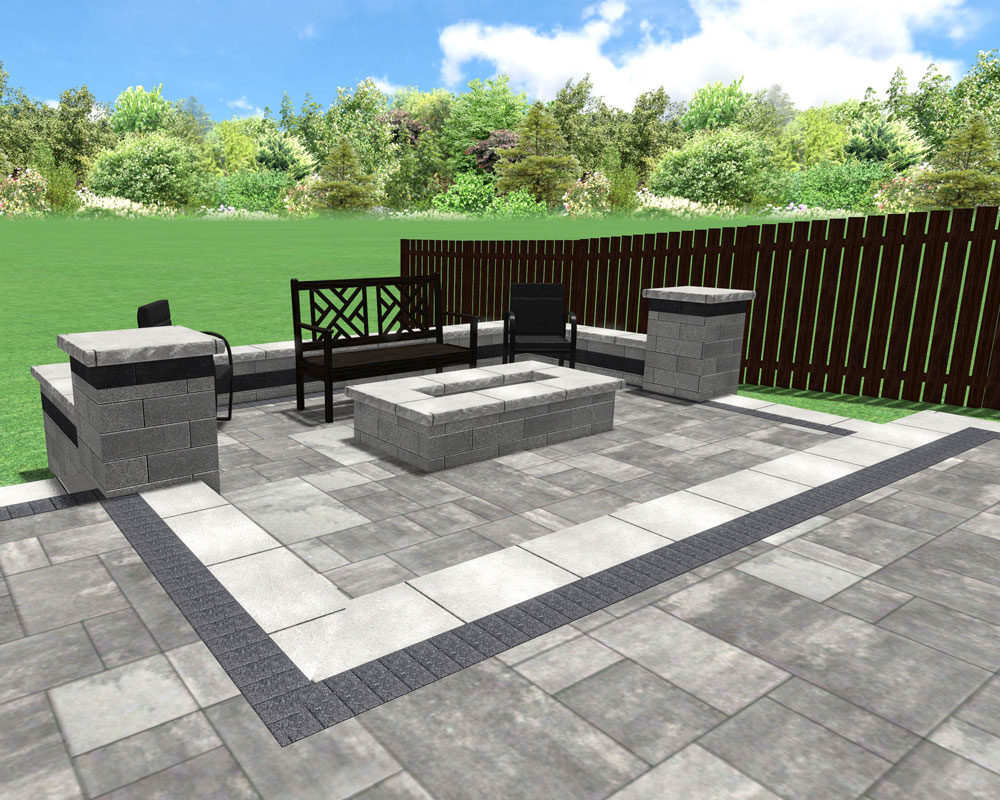
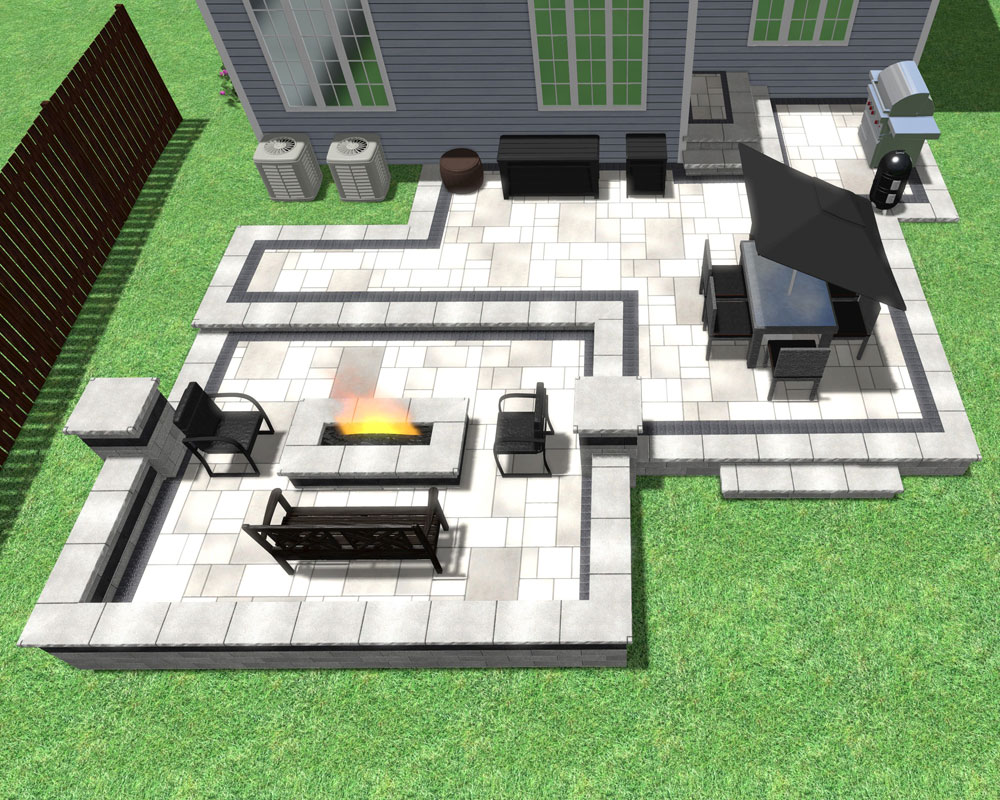
Residential fire pits and outdoor fireplaces require 15 feet of clearance from buildings, property lines, and combustible materials. The model places the fire zone, seating radius, utility routing, and drainage direction before masonry work is specified.
Grill Enclosure Planning
Outdoor kitchens need appliance spacing, counter access, gas or electrical routing, and clear circulation around the cooking zone. The 3D model prevents the enclosure from blocking the walkway or pushing the patio over the rear-yard coverage limit.
Retaining Wall Planning
A wall that looks simple from the front can carry significant lateral earth pressure once it's holding saturated Des Plaines clay. The model includes height review, drainage planning behind the wall, access space for material staging, and base clearance before any structural review is triggered.
Right-of-Way Planning Before the Apron Becomes a Problem
Neighborhood-Specific Planning Considerations
Des Plaines Zone | Site Reality | How the 3D Plan Responds |
Cumberland Metra corridor | Traditional single-family homes, commuter routes, 1- and 2-car detached garages | Model driveway width caps, 2-ft side setbacks, patio-to-driveway separation, and compact rear-yard layouts |
Downtown Des Plaines | Compact lots, townhomes, tighter utility exposure | Check R-1 coverage early, keep side-yard walkways within 4 ft, plan JULIE coordination before excavation |
North Des Plaines / Lake Opeka | Larger yards, ranch and split-level homes, outdoor kitchen and fire pit potential | Model drainage pitch, seating zones, fire feature clearance, and wall transitions together |
South Des Plaines | Post-war ranch homes, clay-heavy yards, driveway and front-walk replacements | Plan deeper excavation, CA-6 base, geotextile separation, and clean transitions from driveway to entry walk |
River / forest preserve corridor | Higher water sensitivity near the Des Plaines River Trail and flood-prone areas | Consider permeable pavers, 21-inch deep stone reservoirs, and runoff control before finalizing layout |
Des Plaines Zone Site Reality How the 3D Plan Responds |
Des Plaines Zone Site Reality How the 3D Plan Responds |
Des Plaines Zone Site Reality How the 3D Plan Responds |
Des Plaines Zone Site Reality How the 3D Plan Responds |
Des Plaines Zone Site Reality How the 3D Plan Responds |
Demolition Scope and Debris Planning
Portfolio Reference
Project | Features | Listed Cost |
Northbrook Outdoor Living | Patio, sidewalk, grill enclosure, outdoor kitchen, fire pit, StruXure pavilion, Unilock Beacon Hill Flagstone Alpine Grey, Beacon Hill 7×15 Charcoal border, U-Cara walls | $100,000 |
Elmhurst Outdoor Living | Patio, grill enclosure, outdoor kitchen, fire pit, Beacon Hill Flagstone pavers, Eden Natural Stone walls | $45,000 |
Lake Forest Stone Patio and Fire Pit | Custom patio, fire pit, natural stone walls, pillars, Unilock Beacon Hill Flagstone Fossil pavers, Mattoni Charcoal and Brussels Limestone borders, Eden Natural Stone veneers, Indiana Limestone caps | Not listed |
|
Project Northbrook Outdoor Living Features Patio, sidewalk, grill enclosure, outdoor kitchen, fire pit, StruXure pavilion, Unilock Beacon Hill Flagstone Alpine Grey, Beacon Hill 7×15 Charcoal border, U-Cara walls Listed Cost $100,000 |
|
Project Elmhurst Outdoor Living Features Patio, grill enclosure, outdoor kitchen, fire pit, Beacon Hill Flagstone pavers, Eden Natural Stone walls Listed Cost $45,000 |
|
Project Lake Forest Stone Patio and Fire Pit Features Custom patio, fire pit, natural stone walls, pillars, Unilock Beacon Hill Flagstone Fossil pavers, Mattoni Charcoal and Brussels Limestone borders, Eden Natural Stone veneers, Indiana Limestone caps Listed Cost Not listed |
Frequently Asked Questions
Contact 3D Brick Paving Co.
3D Brick Paving Co. 1000 Lee Street, Des Plaines, Illinois 60016 Phone: 847-297-7966