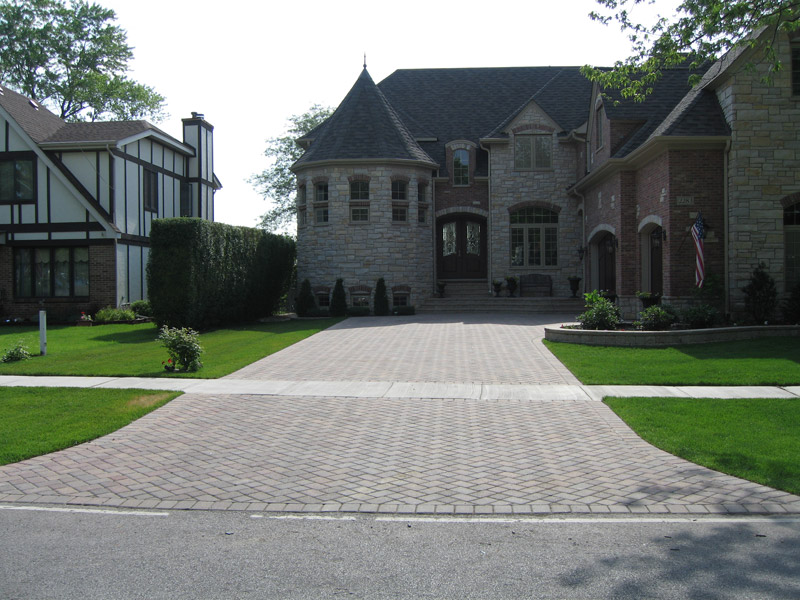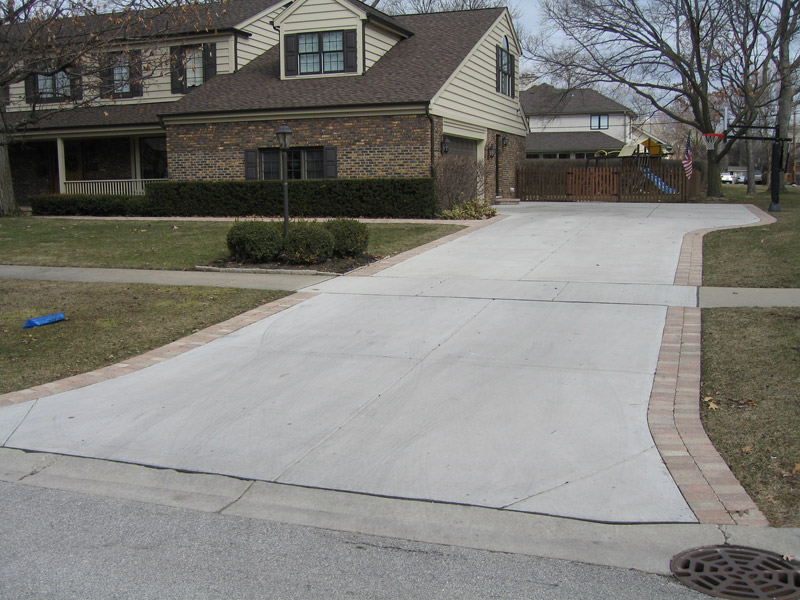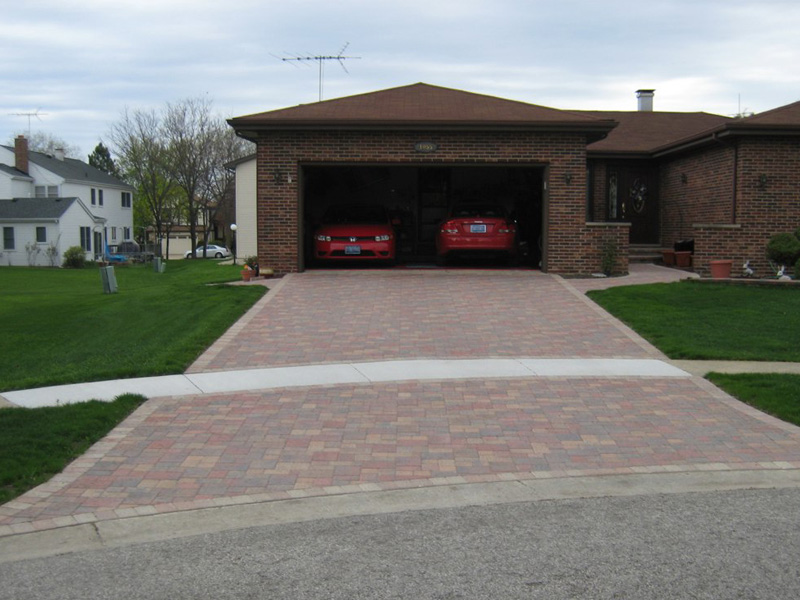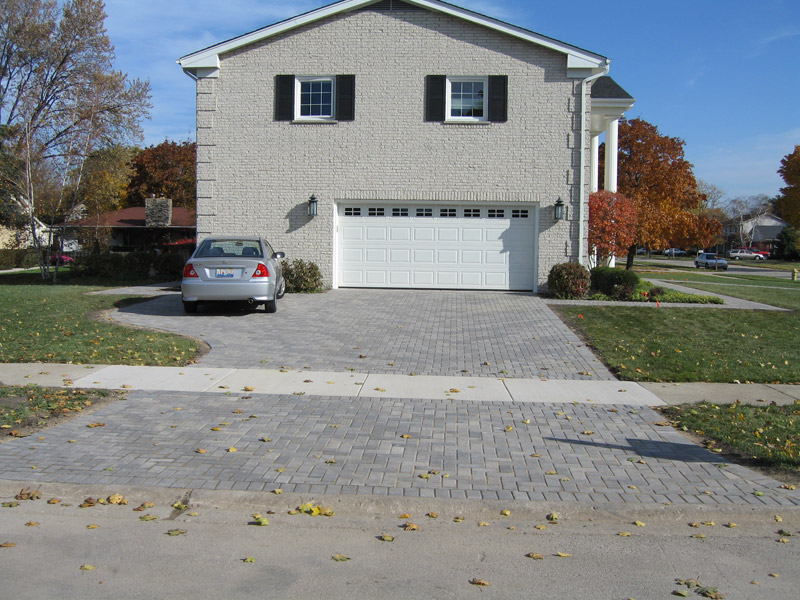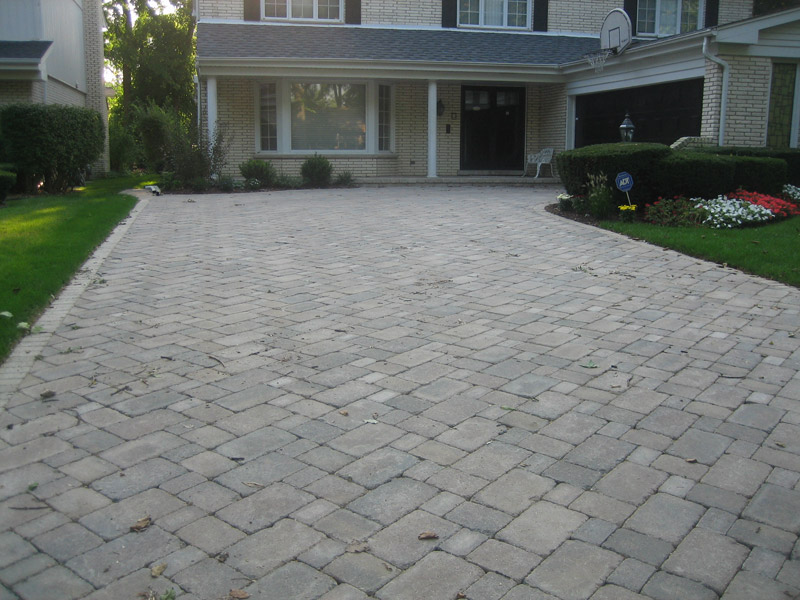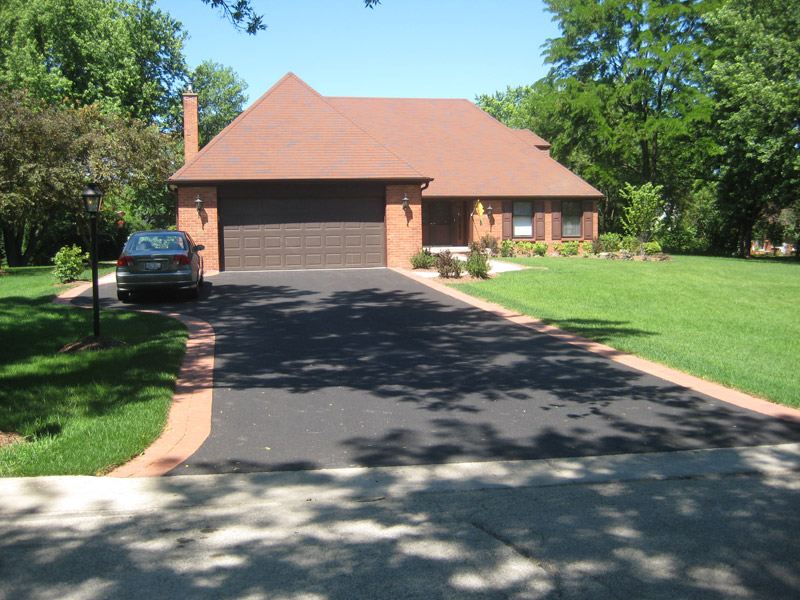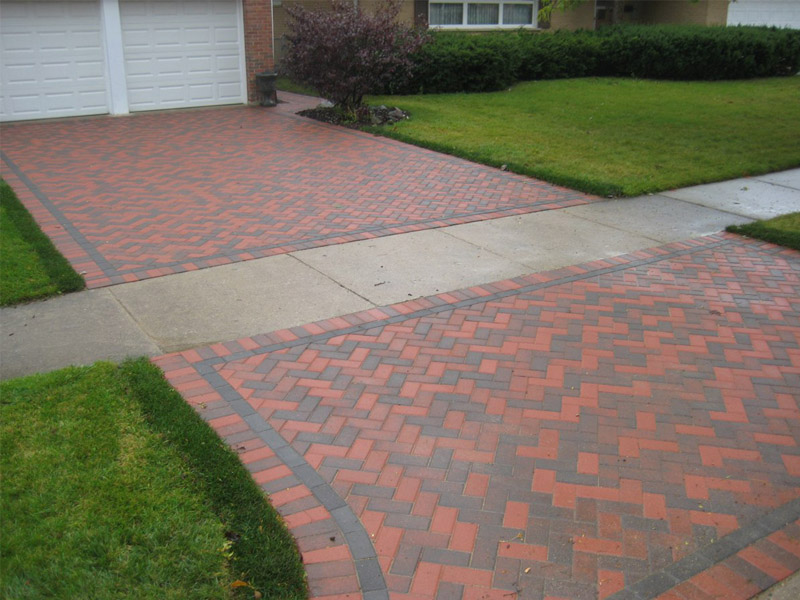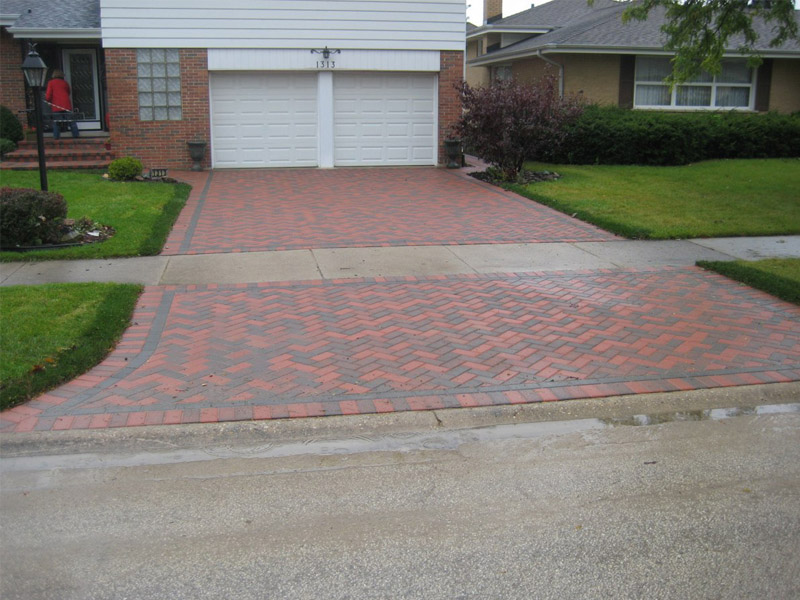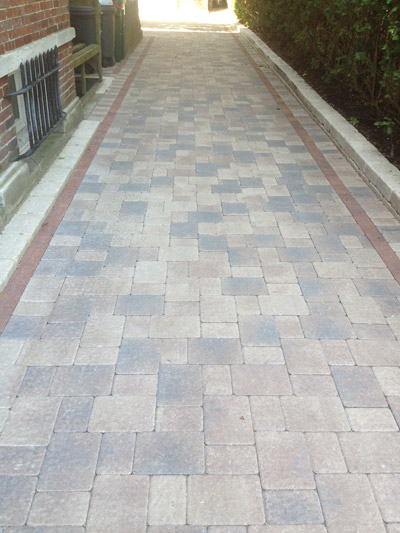

Brick Paver Driveway Contractor in Des Plaines, IL
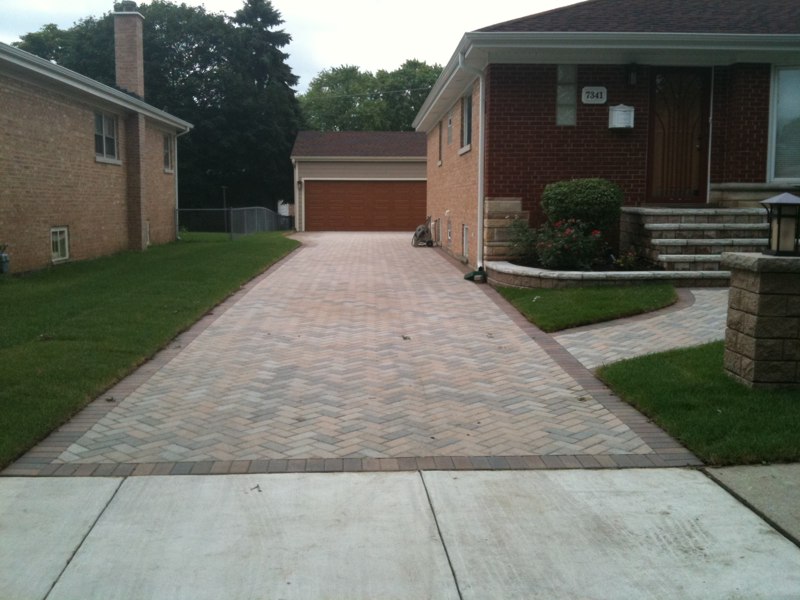
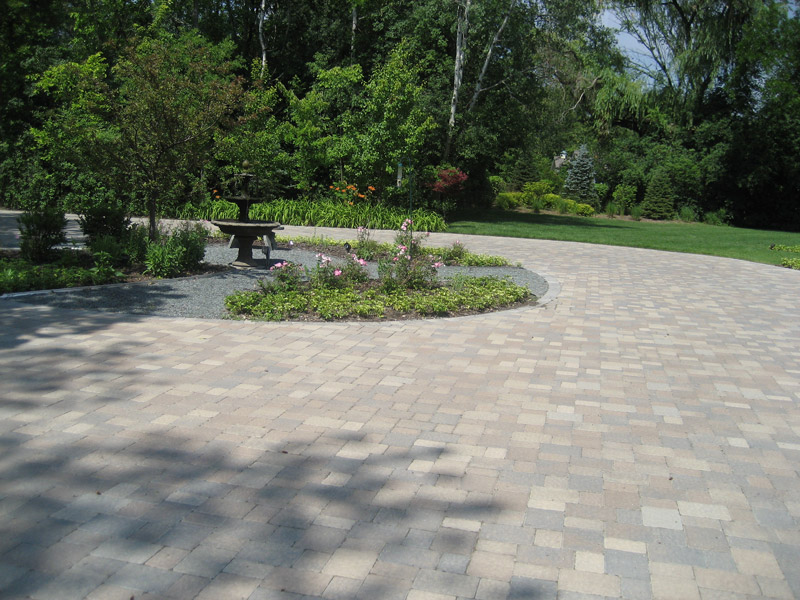
3D Brick Paving Co. installs custom brick paver driveways built to Des Plaines soil conditions, city width and apron rules, CA-6 base requirements, and right-of-way approval. Founded in 1972 and operating from 1000 Lee Street, the company carries Unilock Authorized Contractor status, ICPI-certified installation staff, a lifetime manufacturer warranty on most products, and a 5-year unconditional labor guarantee.
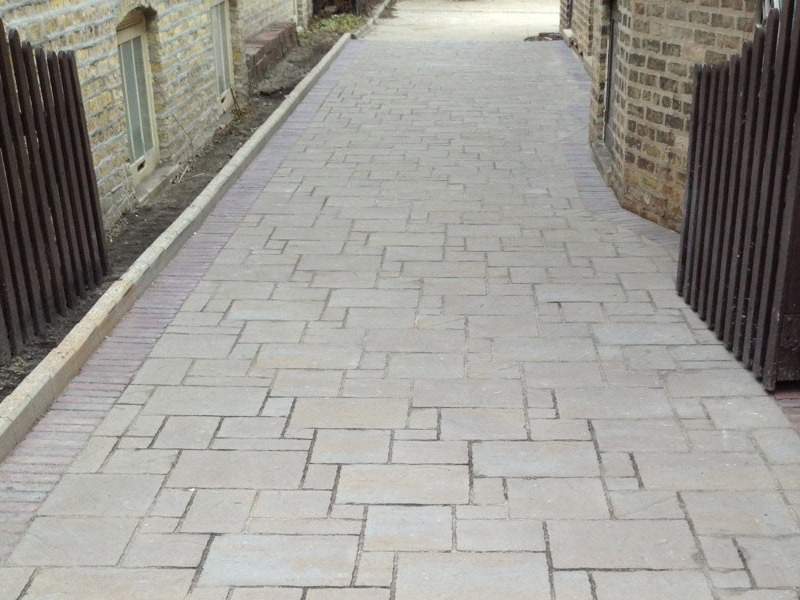
Why Brick Pavers Outperform Concrete on Des Plaines Clay
The Des Plaines Right-of-Way: Apron Work and License Agreements
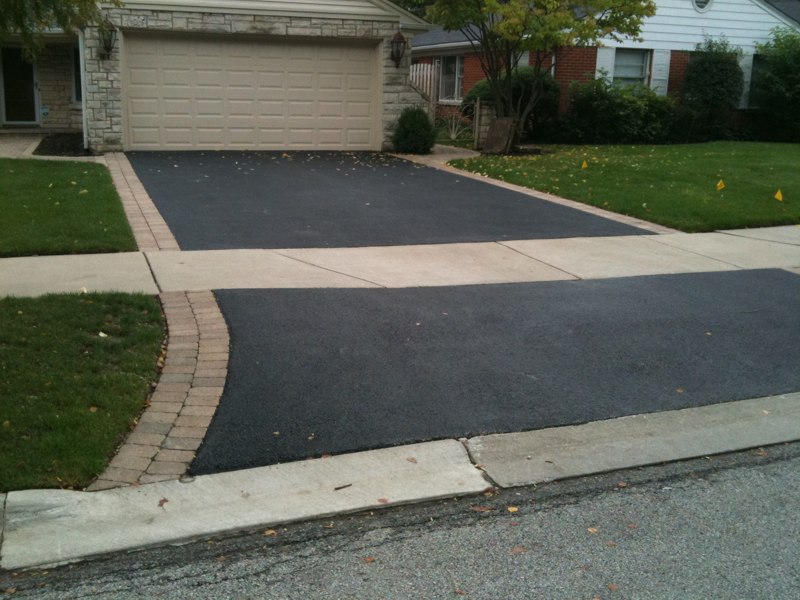
Apron Geometry
Required Drainage Pitch
Driveway Width Limits by Garage Type
Garage Condition | Maximum Width at Property Line |
No garage or carport | 20 ft |
Single-car garage or carport | 20 ft |
Two-car garage or carport | 23 ft |
Three-car garage or carport | 26 ft |
Required Pitch
CA-6 Base Requirement
Required Drainage Pitch
The City of Des Plaines driveway guide sets binding requirements on base material, surface pitch, apron geometry, and driveway width. None of these are suggestions.
Driveway Width Limits by Garage Type
Garage Condition Maximum Width at Property Line |
Garage Condition Maximum Width at Property Line |
Garage Condition Maximum Width at Property Line |
Garage Condition Maximum Width at Property Line |
All driveways require a minimum width of 10 ft and must stay at least 2 ft from side and rear property lines.
Required Pitch
The finished driveway surface must slope away from the building at a minimum of 1/4 inch per foot (Slope = Δh / L ≥ 1/4 in/ft). At an 8-foot run, that means a 2-inch drop. At 20 feet, it’s a 5-inch drop. Surface water must leave the property toward the street or an approved drainage system without crossing onto neighboring private property.
CA-6 Base Requirement
Des Plaines mandates a minimum of 4 inches of CA-6 compactable gravel under any driveway surface. CA-6 contains angular stone and fines that interlock during compaction, resisting rutting from cars, delivery vehicles, and turning tire loads.
The city driveway guide explicitly states: NO PEA GRAVEL. Rounded pea gravel rolls under load instead of locking. Under a driveway, that movement produces low spots, tire ruts, border spread, and paver separation.
Des Plaines Driveway Permits
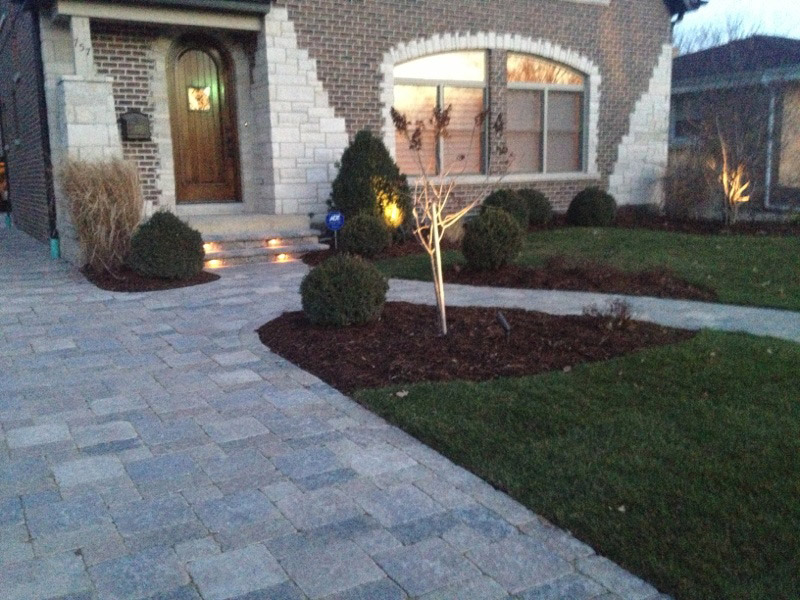
Our Installation Process
1. Plat and site review
We check the Plat of Survey, driveway location, garage width, property line setbacks, utility conflicts, apron geometry, sidewalk crossing, right-of-way boundaries, and existing drainage direction before touching the site.
2. Existing surface removal
We demolish and remove failed asphalt, concrete, old pavers, unstable base material, and broken edge restraints. All heavy debris leaves through proper hauling.
3. Excavation and subgrade prep
We excavate for paver thickness, bedding layer, compacted aggregate, and finished elevation, accounting for the garage threshold, sidewalk, apron, and street approach.
4. CA-6 base installation
We install CA-6 angular aggregate and compact it in controlled lifts to stabilize against clay movement, tire load, and freeze-thaw pressure.
5. Bedding and paver setting
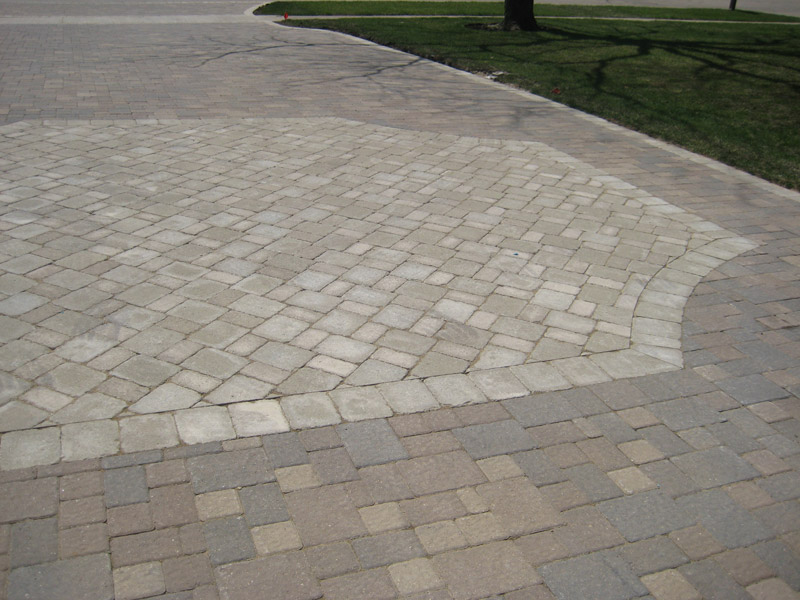
We prepare the bedding layer, set driveway-rated pavers, maintain joint alignment, and cut clean edges at borders, curves, garage transitions, walkways, and apron flares.
6. Edge restraint and compaction
We lock the perimeter and compact the paver field so the units interlock through joint sand. Edge restraint prevents spreading under tire movement and seasonal ground shifts.
7. Final drainage check
We verify pitch away from the structure, confirm the apron transition, review side-edge flow, and prepare for city inspection.