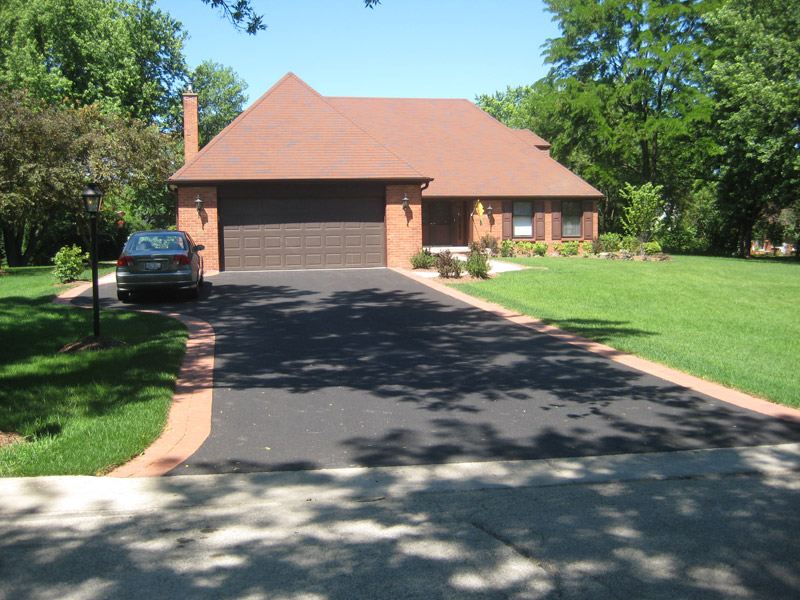

Wilmette Brick Paving Engineered for North Shore Heritage, Clay Soil, and Municipal Compliance
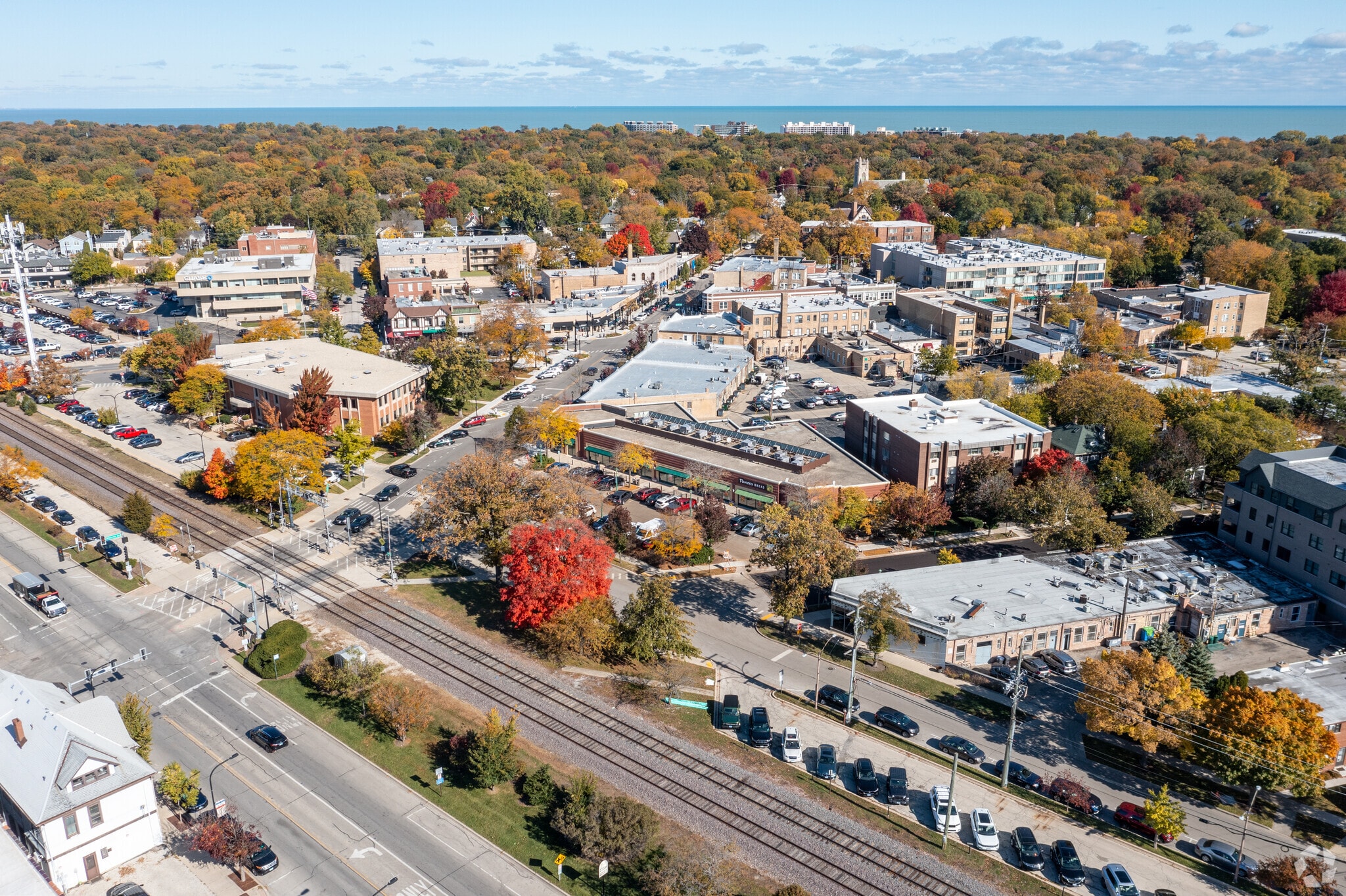
3D Brick Paving Co. designs and installs custom brick patios, brick paver driveway replacements, permeable paver stormwater systems, walkways, stoops, fire features, and natural stone hardscapes for Wilmette homes where material selection, drainage, right-of-way rules, historic context, and as-built tolerances can’t be treated casually.
The company operates from its showroom at 1000 Lee Street, Des Plaines, IL 60016, and brings more than five decades of Chicagoland hardscape experience to North Shore residential work.
The finished paver field has to complement Wilmette’s architectural language, but the structure below it has to survive Chicago Blue Clay, freeze-thaw expansion, driveway loads, stormwater review, and Village inspection.
The Clay Street Narrative: Wilmette's Historic Material Identity
That municipal policy gives private hardscape design a clear material direction. A driveway, front walk, or custom brick patio in Wilmette shouldn’t fight the village’s historic fabric. It should extend it.
Premium kiln-fired clay pavers belong in this context because the color runs through the unit instead of sitting only on the surface. That matters in neighborhoods where material authenticity carries visual weight: East Wilmette, McKenzie Square, Indian Hill Estates, and the Village Center Historic District. Wilmette currently lists three National Register Historic Districts and nine individual National Register properties, all part of a preservation-sensitive character that shapes what belongs near an older Colonial, a Tudor Revival, a Victorian, or an estate-scale North Shore property.
Chicago Blue Clay and the Physics of Frost-Heave Failure
Water trapped in clay and poorly drained base layers freezes during winter, and freezing water expands by roughly 9%, so ice volume runs about 1.09 times the volume of the water that froze into it. The region sees 25 to 35 freeze-thaw cycles a year. Internal hydrostatic pressure can reach up to 30,000 PSI, and seasonal frost heaving can lift weak pavement systems as much as 4 inches.
Monolithic poured concrete absorbs this movement as a brittle slab. When the subgrade heaves unevenly, stress concentrates and the concrete cracks. Interlocking pavers distribute movement differently. Sand-filled joints create a flexible field, letting minor seasonal movement spread across the surface instead of forcing one fracture line through the slab.
That flexibility only works when the base is engineered correctly.
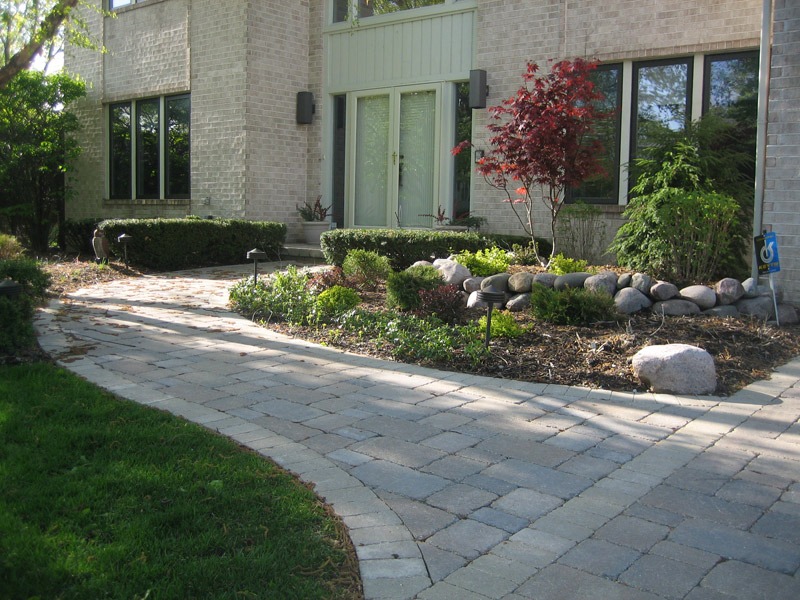
3D Brick Paving's North Shore Base Specification
A premium paver installation in Wilmette begins below the finished surface. The visible pattern is the final layer, not the structural system.
Soft clay pockets, organic material, and unstable soil get removed before base installation. The goal isn’t to dig out a patio area, it’s to build a stable structural platform above a moisture-retentive clay matrix. Where soil separation is needed, high-strength geotextile fabric goes over the prepared subgrade to keep clay fines from migrating upward into the aggregate base under pedestrian loads, vehicle loads, and seasonal saturation.
The Wilmette hardscape standard for resisting clay movement and freeze-thaw failure is a minimum 4-to-6-inch load-bearing IDOT CA-6 crushed stone aggregate base, compacted in controlled lifts so the lower layers reach density instead of staying loose below the surface.
Wilmette Driveway Engineering and As-Built Tolerances